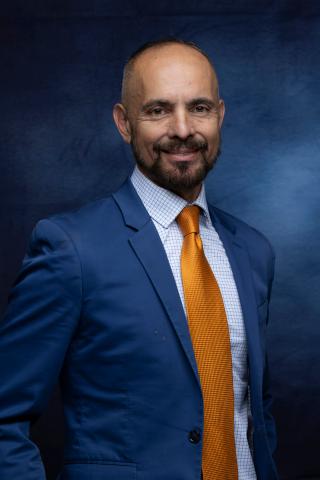
This measure would designate a specified overcrossing on State Route 15 in the County of San Diego as the United States Navy Sailor Noah Tobin Memorial Overcrossing. The measure would request the Department of Transportation to determine the cost of appropriate signs showing this special designation and, upon receiving donations from nonstate sources covering that cost, to erect those signs.
(1) Existing law provides that in an action for the breach of an obligation not arising from contract, the measure of damages, except as provided, is the amount that will compensate for all the detriment proximately caused thereby, whether it could have been anticipated or not. This bill, with respect to a civil case, claim, action, or arbitration against a network company, its subsidiary, or an app-based driver, as defined, arising from an automobile accident, would, except as specified, prohibit the maximum recovery of a plaintiff for damages for any medical expense for services rendered by a lien-based provider, as defined, from exceeding the 70th percentile of FAIR Health, Inc.'s billed charges, or the 70th percentile of a comparable commercially recognized billed charges database for the same or similar service in the applicable geographic area at the time the service was rendered. The bill would prohibit certain evidence from being introduced that exceeds the recoverable amount. This bill would provide that if a medical lien, as defined, receivable, or right to payment has been sold or otherwise transferred, the maximum recoverable medical expense damages shall not exceed the total consideration paid or payable in connection with the transaction to acquire the lien, receivable, or right to payment, as provided. The bill would require any agreement relating to the sale or transfer of a medical lien, receivable, or right to payment, and the consideration paid or payable therefor, to be discoverable, and would prohibit an undisclosed lien sale or transfer from being asserted against a defendant, insurer, settlement, judgment, or settlement proceeds. The bill would also require certain medical lien financial relationships and attorney referral information to be discoverable. This bill would make it unlawful for an attorney representing a plaintiff under a contingency fee agreement in a civil claim, action, or arbitration, as described above, to refer a client to a health care provider in which the attorney or a member of the attorney's immediate family has a direct ownership interest. The bill would also make it unlawful for an attorney to fee split or receive other specified compensation in connection with the furnishing of lien-based provider medical treatment for a plaintiff and would make it unlawful for an attorney or law firm to provide specified compensation for referrals of clients to lien-based providers for lien-based treatment. The bill would also make other actions related to the reduction of a medical lien unlawful, as specified. This bill would provide that these provisions are severable. (2) The Passenger Charter-party Carriers' Act defines a transportation network company as an organization, whether a corporation, partnership, sole proprietor, or other form, operating in California that provides prearranged transportation services for compensation using an online-enabled platform to connect passengers with drivers using a personal vehicle. Existing law requires a transportation network company to conduct, or have a third party conduct, a local and national criminal background check for each participating driver, as specified, and prohibits a transportation network company from contracting with, employing, or retaining a driver if the driver, among other things, is currently registered on the United States Department of Justice National Sex Offender Public website, has been convicted of any of certain terrorism-related or human trafficking felonies or a violent felony or, within the previous 7 years, has been convicted of any misdemeanor assault or battery, any domestic violence offense, driving under the influence of alcohol or drugs, or any of a specified list of felonies. A violation of the act is a misdemeanor punishable by a fine, imprisonment, or both a fine and imprisonment. This bill would additionally prohibit a transportation network company from contracting with, employing, or retaining a driver if the driver has been convicted of specified offenses or, within the previous 7 years, has been convicted of other specified offenses, including driving under the influence of an alcoholic beverage or drug. The bill would require the background check to be performed prior to the activation of a driver's account and once annually thereafter, as provided. By expanding the scope of a crime, the bill would impose a state-mandated local program. (3) Existing law, the Unruh Civil Rights Act, provides that all persons within the jurisdiction of this state are entitled to full and equal accommodations in all business establishments of every kind whatsoever, regardless of their sex, race, color, religion, ancestry, national origin, disability, medical condition, genetic information, marital status, sexual orientation, citizenship, primary language, or immigration status. This bill would provide that notwithstanding that act, a transportation network company or charter-party carrier of passengers, as defined, may allow a woman passenger on its online-enabled application or platform or a participating woman driver to indicate a preference to be matched with a woman driver or woman passenger, respectively, and facilitate passenger-driver matches based on such preferences. The bill would make these provisions apply retroactively, as provided. (4) The California Constitution requires the state to reimburse local agencies and school districts for certain costs mandated by the state. Statutory provisions establish procedures for making that reimbursement. This bill would provide that no reimbursement is required by this act for a specified reason.
This bill designates May 4, 2026, as Green Star Veterans and Families Day. The measure directly affects veterans and their families by establishing a specific date for recognition. It does not create new laws, programs, or funding, but simply sets aside the day for commemoration. The text is a formal resolution that requires no further action to be effective.
Senate Resolution 106 designates April 2026 as Black April Memorial Month to honor the lives lost during the Vietnam War and the Fall of Saigon. This resolution directly affects the Vietnamese American community in California and the general public by encouraging a moment of silence on April 30 to remember veterans, service members, and civilians who died in the conflict. The bill highlights the historical tragedy of the war, the refugee exodus, and the ongoing contributions of Vietnamese Americans to California society. It also calls for a renewed commitment to principles such as human rights, democracy, and freedom of expression.
Senate Resolution 78 declares February 19, 2026, as a Day of Remembrance in California to honor the history of Japanese American incarceration during World War II. This resolution commemorates the signing of Executive Order 9066, which led to the forced removal of over 125,000 people of Japanese ancestry, while also recognizing the bravery and service of Japanese American veterans who fought for the country despite their own imprisonment. The text highlights the historical context of the internment, including the later admission by the U.S. government that the policy was based on racial prejudice rather than military necessity, and notes previous state and federal apologies for these injustices. By establishing this specific date for public awareness, the Senate aims to educate the community about these past events and their significance.
The Consumers Legal Remedies Act makes unlawful certain unfair methods of competition and certain unfair or deceptive acts or practices undertaken by a person in a transaction intended to result or that results in the sale or lease of goods or services to a consumer, including charging or receiving an unreasonable fee, as defined, to prepare, aid, or advise any prospective applicant, applicant, or recipient in the procurement, maintenance, or securing of public social services, as defined to include, among other things, veterans pensions. This bill would expand the definition of public social services to also include other veterans benefits. The bill would also expand the definition of an unreasonable fee to include a fee charged with respect to federal veterans benefits that exceeds the amount that could be charged for those services by an attorney or claims agent accredited by the United States Department of Veterans Affairs. Existing law prohibits a person from, in connection with any transaction or any sale of goods or services, electronically accessing a Common Access Card (CAC) issued to a service member, placing or requiring the placement of such a CAC in a smart card reader, requesting or requesting entry of the personal identification number (PIN) associated with such a CAC, or requiring a service member to log in to any United States Department of Defense or, in the case of a member of the United States Coast Guard, United States Department of Homeland Security computer system. Existing law makes void a transaction or sale entered into in violation of these provisions. This bill would extend the above-described restrictions to prohibit requiring a former or current service member to log in or share their credentials for accessing, or accessing with another person's credentials, any United States Department of Defense, United States Department of Veterans Affairs, or United States Department of Homeland Security computer system. Except as provided, the bill would prohibit a person from, in connection with any transaction or any sale of goods or services, directly or indirectly soliciting, contracting for, charging, or receiving, or attempting to solicit, contract for, charge, or receive, any fee or compensation with respect to the preparation, presentation, or prosecution of any claim for benefits under the laws administered by the United States Department of Veterans Affairs. The bill would also make void a contract performed in violation of these provisions. The bill would make violations of these provisions a misdemeanor. By expanding the scope of a crime, this bill would impose a state-mandated local program. The California Constitution requires the state to reimburse local agencies and school districts for certain costs mandated by the state. Statutory provisions establish procedures for making that reimbursement. This bill would provide that no reimbursement is required by this act for a specified reason.
The Personal Income Tax Law, in conformity with federal income tax laws, defines "gross income" as income from whatever source derived, except as specifically excluded, and provides various exclusions from gross income, including an exclusion for combat-related special compensation. This bill, for taxable years beginning on or after January 1, 2025, and before January 1, 2035, would exclude from gross income retirement pay received by a qualified taxpayer, as defined, during the taxable year, not to exceed $20,000, from the federal government for service performed in the uniformed services, as defined. The bill, for taxable years beginning on or after January 1, 2025, and before January 1, 2035, would also exclude from gross income annuity payments received by a qualified taxpayer, as defined, during the taxable year, not to exceed $20,000, pursuant to a United States Department of Defense Survivor Benefit Plan. The bill would make related findings and declarations. Existing law requires any bill authorizing a new tax expenditure to contain, among other things, specific goals, purposes, and objectives that the tax expenditure will achieve, detailed performance indicators, and data collection requirements. This bill also would include additional information required for any bill authorizing a new tax expenditure. This bill would take effect immediately as a tax levy.
The California Constitution provides that all property is taxable, and requires that it be assessed at the same percentage of fair market value, unless otherwise provided by the California Constitution or federal law. The California Constitution and existing property tax law provide various exemptions from taxation, including, among others, a disabled veterans' exemption and a veterans' organization exemption. This bill would exempt from taxation, property owned by, and that constitutes the principal place of residence of, a veteran, the veteran's spouse, or the veteran and the veteran's spouse jointly, if the veteran is 100% disabled. The bill would provide an unmarried surviving spouse a property exemption in the same amount that they would have been entitled to if the veteran was alive and if certain conditions are met. The bill would require certain documentation to be provided to the county assessor to receive the exemption and would prohibit any other real property tax exemption from being granted to the claimant if receiving the exemption provided by the provisions of this bill. The bill would make these exemptions applicable for property tax lien dates occurring on or after January 1, 2025, but occurring before January 1, 2035. By imposing additional duties on local tax officials, the bill would impose a state-mandated local program. Existing law requires any bill authorizing a new tax expenditure to contain, among other things, specific goals, purposes, and objectives that the tax expenditure will achieve, detailed performance indicators, and data collection requirements. This bill would state that it is the intent of the Legislature to apply those requirements to the bill and would set forth specified information relating to those requirements. The California Constitution requires the state to reimburse local agencies and school districts for certain costs mandated by the state. Statutory provisions establish procedures for making that reimbursement. This bill would provide that, if the Commission on State Mandates determines that the bill contains costs mandated by the state, reimbursement for those costs shall be made pursuant to the statutory provisions noted above. Existing law requires the state to reimburse local agencies annually for certain property tax revenues lost as a result of any exemption or classification of property for purposes of ad valorem property taxation. This bill would provide that, notwithstanding those provisions, no appropriation is made and the state shall not reimburse local agencies for property tax revenues lost by them pursuant to the bill. This bill would take effect immediately as a tax levy.
Existing law establishes the Department of Veterans Affairs. The department, among other services, provides veterans and their dependents and survivors with assistance in processing service-related disability claims, assistance in obtaining affordable housing, and information about health ailments associated with military service. This bill would require the department to establish a program to fund, upon appropriation by the Legislature, an academic study of mental health among women veterans in California, as specified. The bill would require the department to submit a report that summarizes the findings and recommendations of the study to the Legislature no later than June 30, 2029. The bill would repeal these provisions on January 1, 2030.
Existing law sets forth filing fees and other civil fees for superior courts. Existing law requires certain applicants to be granted initial permission to proceed without paying court fees and costs because of the applicant's financial condition, including an applicant whose monthly income is 200% or less of the current poverty guidelines, as specified. This bill would prohibit veterans disability service-connected compensation from being included in monthly income for purposes of that provision.