Issue · Healthcare

Healthcare (Medicaid)

Every healthcare bill, vote, and legislator stance in California, automatically classified by Maddy, our AI policy reader.

Total bills
46
2025-2026 Regular Session
Top supporter
Jessica Caloza
100% support rate
Top opponent
David Tangipa
0% support rate
Ranked legislators
10
5 support · 5 oppose
Key legislators

Who's moving medicaid in California

Legislators moving medicaid in California
Legislator Party Stance Support rate Votes
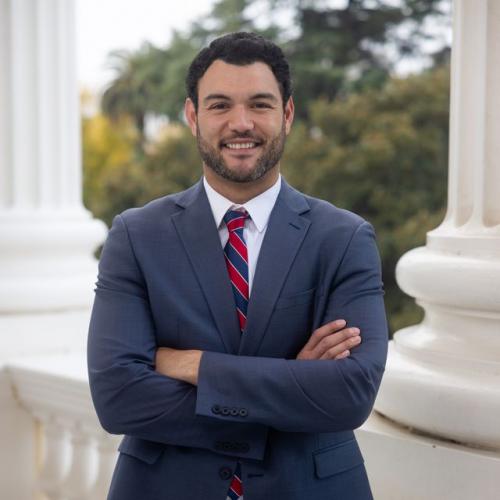
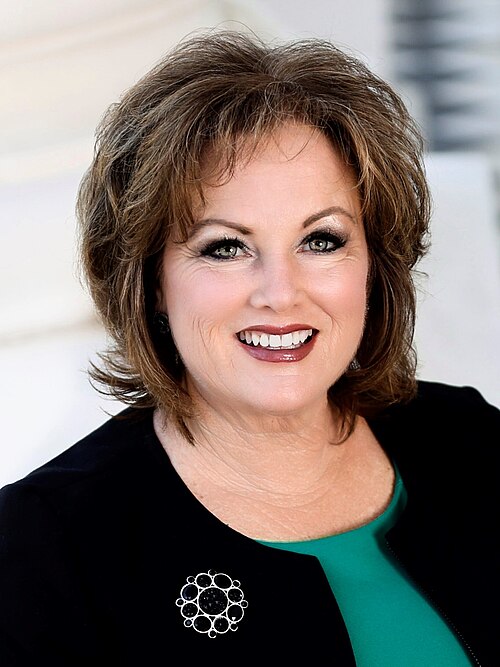
Jessica Caloza
Jessica Caloza House · District 52
D
Strong +
100% 12
LaShae Sharp-Collins
LaShae Sharp-Collins House · District 79
D
Strong +
100% 12
MG
Mark González House · District 54
D
Strong +
100% 12
Cecilia Aguiar-Curry
Cecilia Aguiar-Curry House · District 4
D
Strong +
100% 11
Akilah Weber Pierson
Akilah Weber Pierson Senate · District 39
D
Strong +
100% 8
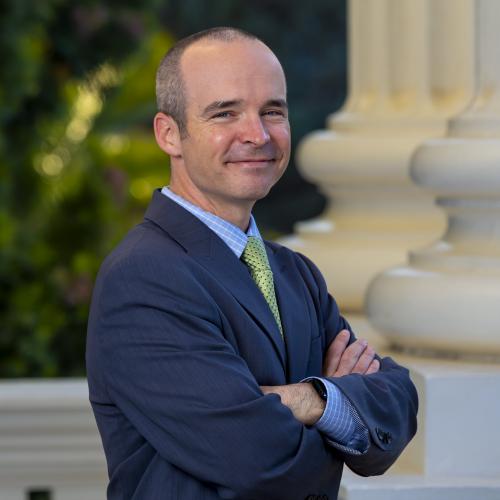
David Tangipa
David Tangipa House · District 8
R
Strong −
0% 8
Kate Sanchez
Kate Sanchez House · District 71
R
Strong −
0% 8
Natasha Johnson
Natasha Johnson House · District 63
R
Strong −
0% 8
Shannon Grove
Shannon Grove Senate · District 12
R
Strong −
0% 8
Joe Patterson
Joe Patterson House · District 5
R
Strong −
0% 7
Showing 11–20 of 46 bills

All healthcare bills

passed both · California · Assembly Aug 28, 2026

AB 2081: Medi-Cal: Home and Community-Based Alternatives Waiver.

Existing law establishes the Medi-Cal program, which is administered by the State Department of Health Care Services and under which qualified low-income individuals receive health care services. The Medi-Cal program is in part governed by, and funded pursuant to, federal Medicaid program provisions. Under existing law, home- and community-based services (HCBS) approved by the United States Department of Health and Human Services are covered for eligible individuals to the extent that federal financial participation is available for those services under the state plan or waivers granted in accordance with certain federal provisions. Existing law authorizes the Director of Health Care Services to seek waivers for any or all approvable HCBS. Existing law sets forth provisions for the implementation of the Nursing Facility/Acute Hospital Transition and Diversion Waiver, which is the predecessor of the Home and Community-Based Alternatives (HCBA) Waiver, for purposes of providing care management services to individuals who are at risk of nursing facility or institutional placement, subject to federal cost neutrality. Existing law authorizes the director to propose that the waiver provide for achievement of annual cost neutrality in the aggregate to allow enrollment and authorization of waiver services based on medical necessity, and to require care management contractors to enroll at least 60% of all total annual enrollments from certain health care settings or populations. Existing law additionally sets forth provisions authorizing the director to expand the number of waiver slots up to 5,000 additional slots. This bill would recast the above-described waiver provisions to refer to the HCBA Waiver. The bill would authorize the director, beginning January 1, 2027, to semiannually evaluate the populations receiving the priority enrollment described above, and to designate additional populations to receive priority enrollment based on this evaluation, subject to applicable cost-neutrality requirements. The bill would delete the provision relating to the 5,000 slots. The bill would instead require the department, beginning in 2027, and for the HCBA Waiver period, to increase the total number of waiver slots by 5,000, in addition to any planned expansion of waiver slots federally approved as of January 1, 2026, as specified, consistent with the above-described requirements.
Sub-Topics Hospitals Medicaid
passed both · California · Assembly Aug 28, 2026

AB 2160: Medi-Cal: lactation services.

Existing law establishes the Medi-Cal program, which is administered by the State Department of Health Care Services and under which qualified low-income individuals receive health care services. The Medi-Cal program is, in part, governed and funded by federal Medicaid program provisions. Existing law requires the department to streamline and simplify existing Medi-Cal program procedures to improve access to lactation supports and breast pumps among Medi-Cal beneficiaries. This bill would require the department to, by July 1, 2027, issue updated Medi-Cal guidance that clarifies Medi-Cal coverage for lactation services. The bill would also require the guidance to, among other things, clarify Medi-Cal coverage policies for a continuum of lactation services, including health education related to lactation, basic lactation support, and clinical lactation consultation. The bill would require the department to seek stakeholder input on draft guidance prior to issuing the guidance. The bill would make the implementation of these provisions contingent to the extent that federal financial participation is available and any necessary federal approvals are obtained.
Sub-Topics Medicaid
passed both · California · Assembly Aug 17, 2026

AB 2538: Medi-Cal: hospice providers: forms.

Existing law establishes the Medi-Cal program, which is administered by the State Department of Health Care Services and under which qualified low-income individuals receive health care services through fee-for-service or managed care delivery systems. The Medi-Cal program is in part governed by, and funded pursuant to, federal Medicaid program provisions. Existing law provides for the licensure of hospice agencies by the State Department of Public Health to provide hospice services to an individual who is experiencing the last phase of life due to a terminal illness, as defined. Under existing law, hospice services are covered under the Medi-Cal program, subject to utilization controls and the availability of federal financial participation, as specified. The State Department of Health Care Services administratively requires, effective March 2, 2026, a hospice provider to use a certain online attestation form to notify the department when a Medi-Cal fee-for-service member has elected to receive hospice services, as specified. This bill would codify and recast those departmental procedures relating to the online form. The bill would require the hospice provider to submit the online form within 5 calendar days after the member's election to receive hospice services, and to submit the form in conjunction with counseling, receipt of informed consent, and completion of a separate election notice form, as specified. The bill would make these provisions applicable only to the Medi-Cal fee-for-service delivery system. In the case of Medi-Cal managed care, the bill would require a hospice provider to instead follow its assigned Medi-Cal managed care plan's submission requirements, as specified.
passed · California · Assembly Aug 20, 2026

AB 2352: Medi-Cal providers: nonprofit public benefit corporations.

Existing law establishes the Medi-Cal program, which is administered by the State Department of Health Care Services and under which qualified low-income individuals receive health care services. The Medi-Cal program is in part governed by, and funded pursuant to, federal Medicaid program provisions. Existing law sets forth various procedures, including the submission of an application package, for provider enrollment, continuing enrollment, or enrollment at a new location or a change in location under the Medi-Cal program. Existing law requires an applicant or provider who is a natural person and is licensed or certificated under provisions relating to healing arts, the Osteopathic Initiative Act, or the Chiropractic Initiative Act, or is a professional corporation, to comply with the above-described procedures and to be enrolled in the Medi-Cal program as either an individual provider or as a rendering provider in a provider group for each application package that is submitted and approved. This bill would also apply the above-described provision to a nonprofit public benefit corporation that has been granted tax-exempt status and through which licensed providers enumerated in the Medicaid state plan provide nonspecialty mental health services, as specified.
Sub-Topics Medicaid Mental Health
passed both · California · Assembly Aug 28, 2026

AB 2756: Medi-Cal: vision services: performance measures.

Existing law establishes the Medi-Cal program, which is administered by the State Department of Health Care Services and under which qualified low-income individuals receive health care services. The Medi-Cal program is in part governed by, and funded pursuant to, federal Medicaid program provisions. Under existing law, certain vision care benefits are covered under the Medi-Cal program, relating to, among other things, optometric and optician services and eyeglasses, as specified. This bill would require the department, by no later than January 1, 2028, to establish a list of performance measures to ensure that the vision services under the Medi-Cal program meet quality and access criteria. The bill would require that the performance measures be designed to evaluate utilization, access, and availability of Medi-Cal vision services. The bill would require certain information within the performance measures, relating to providers and examinations, among other factors. The bill would require the department, when evaluating performance measures, to consider certain criteria, including trended data and other state performance and quality measures. The bill would require the department to report on each performance measure only to the extent that the department has existing data sources from which to calculate the applicable measure, as specified. The bill would specify a timeline for the posting of performance measures and data on the department's internet website. The bill would also require the department to establish benchmarks for each performance measure and to annually prepare a summary report on complaints and grievances, as specified.
Sub-Topics Medicaid
in committee · California · Senate May 14, 2026

SB 987: California Health Access Fund.

Existing law establishes the Medi-Cal program, which is administered by the State Department of Health Care Services and under which qualified low-income individuals receive health care services. The Medi-Cal program is in part governed by, and funded pursuant to, federal Medicaid program provisions. Existing federal law, enacted on July 4, 2025, sets forth various changes to different health care programs, including certain requirements for Medicaid eligibility with regard to work or community engagement reporting, redeterminations, and cost sharing, among other factors, for certain Medicaid populations pursuant to a specified implementation timeline. This bill would create the California Health Access Fund, to be administered by the department. Under the bill, moneys in the fund would include deposits, through any applicable transfers made by the Legislature, equal to the amount of any savings to the state resulting from decreased enrollment in the Medi-Cal program caused by enrollment barriers created by the above-described federal law. Under the bill, moneys in the fund would, upon appropriation, be used to ensure that California residents losing health care coverage due to the impacts of the federal law or due to any other divestments from the health care system can continue to receive health care services and that health care providers are reimbursed for these services.
passed both · California · Assembly Aug 27, 2026

AB 2278: In-home supportive services: Community First Choice Option program: noncompliance penalties.

Existing federal law, the Community First Choice Option (CFCO) program, authorizes states to provide home- and community-based attendant services and supports to eligible Medicaid enrollees, as specified. Existing federal law provides federal financial participation for a state that provides services under the CFCO program. Existing state law establishes the In-Home Supportive Services (IHSS) program, administered by the State Department of Social Services and counties, under which qualified aged, blind, and disabled persons are provided with services in order to permit them to remain in their own homes. Existing law requires the state and counties to share the annual cost of providing IHSS pursuant to a specified cost ratio. Existing law requires all counties to have a rebased County IHSS Maintenance of Effort (MOE) and requires the rebased MOE to be adjusted for the annualized cost of increases in provider wages, health benefits, or other benefits, as prescribed. Existing law, commencing July 1, 2026, requires a county to pay, separate from the rebased County IHSS MOE payment, a 100% share of the enhanced federal financial participation that would have been received if the state ceases to receive that funding for the provision of services due to noncompliance of timely case reassessment for the federal CFCO program. This bill would require the department to, on or before July 1, 2029, prepare and submit to the Legislature a report on the amount of the above-described payments made by counties due to noncompliance of timely case reassessment for the federal CFCO program.
Sub-Topics Medicaid
passed both · California · Assembly Aug 27, 2026

AB 2565: Medi-Cal: pharmacist services: reporting.

Existing law establishes the Medi-Cal program, which is administered by the State Department of Health Care Services and under which qualified low-income individuals receive health care services through fee-for-service (FFS) or managed care delivery systems. The Medi-Cal program is in part governed by, and funded pursuant to, federal Medicaid program provisions. Under existing law, pharmacist services are a benefit under the Medi-Cal program, subject to federal approval, as specified. Existing law authorizes the department to provide and administer Medi-Cal pharmacy services under a single statewide FFS delivery system, commonly known as the Medi-Cal Rx program. The department has implemented a transition of Medi-Cal pharmacy services, through Medi-Cal Rx, from managed care to FFS as a result of a 2019 executive order by the Governor. This bill would require the department to issue guidance clarifying Medi-Cal managed care plan obligations to cover pharmacist services, as specified. The bill would require the department to update its model evidence of coverage to explicitly include coverage of pharmacist services. The bill would also require the department to take appropriate corrective action for failure to comply with existing provisions of law relating to Medi-Cal coverage of pharmacist services or the issued guidance. The bill would authorize the department to implement, interpret, or make specific these provisions by means of all-plan letters, plan letters, or other similar instructions, without taking any further regulatory action.
passed both · California · Assembly Aug 26, 2026

AB 2486: Medi-Cal: Whole Child Model program.

Existing law establishes the California Children's Services (CCS) program, which is administered by the State Department of Health Care Services and counties, to provide medically necessary services, based on financial eligibility, for persons under 21 years of age who have certain medical conditions, including, among others, cystic fibrosis or hemophilia. Existing law provides for the Medi-Cal program, which is administered by the department, under which qualified low-income individuals receive health care services. The Medi-Cal program is, in part, governed and funded by federal Medicaid Program provisions. Existing law authorizes the department to establish a Whole Child Model program, under which managed care plans served by a county organized health system or Regional Health Authority in designated counties provide CCS treatment services to Medi-Cal eligible CCS children and youth. In implementing the program, existing law requires the department to, among other things, establish a statewide Whole Child Model program stakeholder advisory group and to consult with that advisory group on the implementation of the Whole Child Model program, as specified. Existing law terminates the advisory group on December 31, 2026. This bill would rename the statewide Whole Child Model program stakeholder advisory group to the California Children's Services (CCS) advisory group. The bill would require the advisory group to have specified membership, including no more than 6 representatives of CCS clients not enrolled in a managed care plan or enrolled in a managed care plan, but not on a family advisory committee, former CCS clients, and caregivers of former CCS clients, among others. The bill would also require the department to consult with the advisory group on the implementation of the CCS Classic program and to consider the recommendations of the advisory group in developing monitoring processes and outcome measures for the CCS program. The bill would require the department to publish two summary reports on its internet website by specified dates that describe the department's progress and actions on specified matters relating to the CCS program. The bill would delete the December 31, 2026, sunset date, and would instead make the provisions relating to the stakeholder advisory group and the related reporting requirement inoperative on January 1, 2037. This bill would make conforming changes to reflect the renaming of the advisory group.
passed both · California · Senate Aug 28, 2026

SB 944: Medi-Cal: acupuncture.

Existing law establishes the Medi-Cal program, which is administered by the State Department of Health Care Services and under which qualified low-income individuals receive health care services. The Medi-Cal program is in part governed by, and funded pursuant to, federal Medicaid program provisions. Existing law sets forth a schedule of benefits covered under the Medi-Cal program, including acupuncture, but only to the extent that federal matching funds are provided for acupuncture. Under this bill, acupuncture would instead be a covered Medi-Cal benefit subject to utilization controls and the availability of federal financial participation. The bill would, if federal financial participation is not available for coverage of acupuncture services, make acupuncture a covered benefit subject to an appropriation and utilization controls. This bill would incorporate additional changes to Section 14132 of the Welfare and Institutions Code proposed by AB 1949 and AB 350 to be operative only if this bill and either or both AB 1949 and AB 350 are enacted and this bill is enacted last.
Sub-Topics Medicaid
Showing 11 to 20 of 46 bills
Previous 1 2 3 5 Next