Issue · Healthcare

Healthcare

Every healthcare bill, vote, and legislator stance in California, automatically classified by Maddy, our AI policy reader.

Total bills
44
119th Congress
Top supporter
Adam B. Schiff
76% support rate
Top opponent
Tom McClintock
36% support rate
Ranked legislators
10
5 support · 5 oppose
Key legislators

Who's moving healthcare in California

Legislators moving healthcare in California
Legislator Party Stance Support rate Votes
Adam B. Schiff
Adam B. Schiff Senate
D
Support
76% 223
Alex Padilla
Alex Padilla Senate
D
Support
75% 216
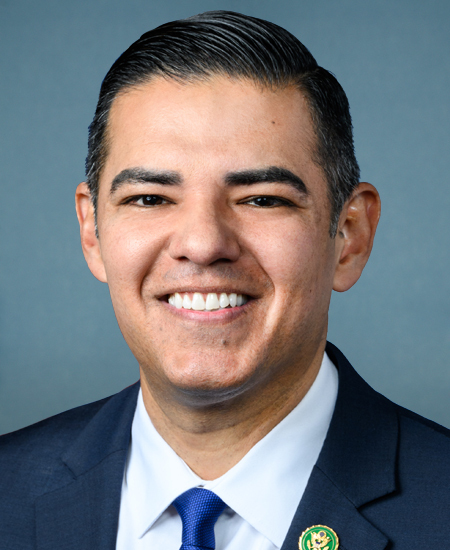
Robert Garcia
Robert Garcia House · District 42
D
Support
67% 209
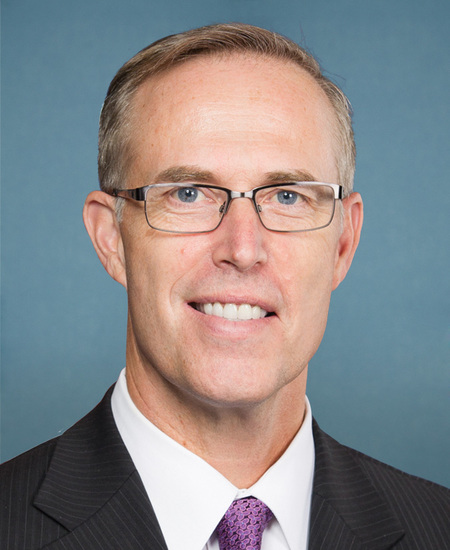
Jared Huffman
Jared Huffman House · District 2
D
Support
67% 210
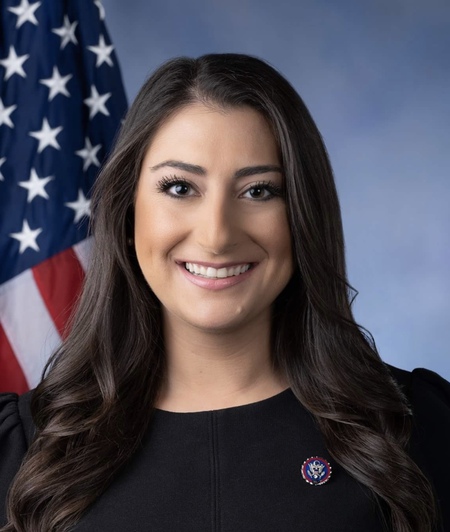
Sara Jacobs
Sara Jacobs House · District 51
D
Support
67% 210
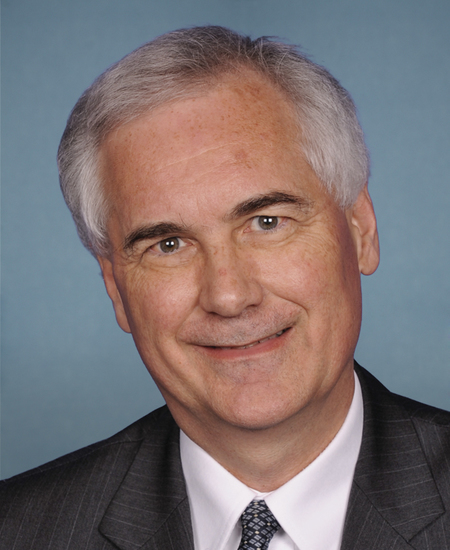
Tom McClintock
Tom McClintock House · District 5
R
Oppose
36% 205
Young Kim
Young Kim House · District 40
R
Oppose
39% 210
Vince Fong
Vince Fong House · District 20
R
Oppose
39% 207
Darrell Issa
Darrell Issa House · District 48
R
Mixed −
44% 209
David G. Valadao
David G. Valadao House · District 22
R
Mixed −
44% 207
Showing 1–10 of 44 bills

All healthcare bills

in committee · United States · Senate Jul 15, 2026

S 4997: Nitrous Oxide Inhalation Prevention Act

The Nitrous Oxide Inhalation Prevention Act establishes new federal regulations to curb the misuse of nitrous oxide while allowing its continued use for legitimate medical, industrial, and automotive purposes. Key provisions include banning flavored products and limiting food-use canisters to 8 grams, alongside strict rules that prohibit packaging with bright colors or cartoon characters and require prominent warning labels on every cartridge. The bill also imposes age restrictions by setting a minimum purchase age of 21, mandates that retailers verify identification and limit sales hours, and restricts wholesalers from selling directly to individual consumers. To support harm reduction efforts, the legislation authorizes funding for grants aimed at education, prevention programs, and training for law enforcement and medical professionals. Non-compliance with these new requirements can result in civil monetary penalties for manufacturers and distributors, or escalating fines and potential sales bans for retailers.
in committee · United States · House Jun 18, 2026

HJRES 197: Providing for congressional disapproval under chapter 8 of title 5, United States Code, of the rule submitted by the Centers for Medicare & Medicaid Services of the Department of Health and Human Services relating to "Patient Protection and Affordable Care Act, HHS Notice of Benefit and Payment Parameters for 2027; and Basic Health Program".

This joint resolution expresses Congress's disapproval of a specific federal rule issued by the Centers for Medicare & Medicaid Services regarding the Affordable Care Act and the Basic Health Program for 2027. If passed, the measure would legally nullify the rule, preventing it from taking effect. The bill directly impacts the administration of healthcare benefits and payment parameters for the upcoming year by rejecting the proposed guidelines.
Sub-Topics Medicaid Medicare
in committee · United States · House May 19, 2026

HJRES 187: Providing for congressional disapproval under chapter 8 of title 5, United States Code, of the rule submitted by the Centers for Medicare & Medicaid Services of the Department of Health and Human Services relating to "Medicare Program; Implementation of Prior Authorization for Select Services for the Wasteful and Inappropriate Services Reduction (WISeR) Model".

This joint resolution expresses Congress's disapproval of a Centers for Medicare & Medicaid Services rule that requires doctors to obtain prior authorization for certain medical services under the WISeR Model. The bill directly affects healthcare providers and patients by seeking to cancel the rule, which would otherwise mandate that specific services be approved before they are delivered. If passed, the provision would render the rule ineffective, preventing the new prior authorization requirements from taking effect. This action is part of a standard legislative process used to reject federal regulations without needing to pass a new law.
Sub-Topics Medicaid Medicare
in committee · United States · House Sep 1, 2026

HR 7945: Nitrous Oxide Safety Act of 2026

The Nitrous Oxide Safety Act of 2026 would classify consumer products containing nitrous oxide as banned hazardous items under federal law, except for specific exceptions. The bill prohibits the sale of nitrous oxide products for recreational use while allowing continued sales for medical and dental treatments, food production in commercial kitchens, research and development activities, and food propellant applications. This legislation directly affects manufacturers, retailers, and consumers by restricting access to nitrous oxide in consumer products after 180 days from enactment. The law defines nitrous oxide as the gas known as laughing gas or whippits and specifies which entities and activities are exempt from the ban.
in committee · United States · House Jun 5, 2025

HR 3708: No Place for LGBTQ+ Hate Act

HR 3708, the "No Place for LGBTQ+ Hate Act," repeals five specific executive orders targeting LGBTQ+ rights and blocks federal funding for their implementation. It directly affects transgender, nonbinary, intersex, and gender-nonconforming individuals by reversing policies that: mandated discrimination in employment/healthcare (EO 14168), reinstated a military ban (EO 14183), restricted transgender youth healthcare (EO 14187), barred transgender female students from sports (EO 14201), and required schools to deny transgender existence (EO 14190). The bill’s key mechanism prohibits federal funds from being used to enforce these orders, effectively nullifying them. This is a procedural repeal bill focused on reversing specific executive actions, not creating new laws.
in committee · United States · House Jan 3, 2025

HR 54: WHO Withdrawal Act

HR 54, the WHO Withdrawal Act, directs the U.S. President to withdraw the United States from the World Health Organization (WHO) Constitution upon enactment and prohibits all federal funding for U.S. participation in the WHO or any successor organization. The bill repeals the 1948 law that established U.S. membership and funding for WHO participation. This legislation directly affects all federal departments and agencies that handle international health funding and diplomatic engagement, ending U.S. financial and legal ties to the WHO.
in committee · United States · House Feb 6, 2025

HR 1085: CARGO Act of 2025

The CARGO Act of 2025 prohibits the National Institutes of Health (NIH) from funding any research involving live animals conducted outside the United States. It directly affects foreign organizations and researchers who previously received NIH grants for animal research abroad, including projects funded under the $2.2 billion in grants from 2011-2021. The key provision amends the Public Health Service Act to ban NIH support for such overseas research, requiring all animal research funded by the NIH to occur within the U.S. (including territories and the District of Columbia). This change aims to address concerns about inadequate oversight of animal welfare in foreign labs where self-reported data may be inaccurate.
Sub-Topics Public Health
in committee · United States · House Jul 21, 2026

HR 7970: STOP Nitazenes Act

This bill, known as the STOP Nitazenes Act, directs the federal government to permanently classify nitazenes and related synthetic opioids as Schedule I controlled substances, placing them in the same legal category as heroin and fentanyl. The legislation specifically targets a broad range of chemical compounds, including etonitazene and other variants, by defining them as 2-benzylbenzimidazole opioids and requiring the Attorney General to publish a list of qualifying substances. Under the bill, any nitazene substance temporarily scheduled under emergency provisions would be made permanently scheduled upon enactment, ensuring long-term federal control. The law also mandates that the Attorney General issue implementing rules within one year, allowing for immediate interim enforcement while providing opportunities for public comment before final regulations are established.
in committee · United States · House Jun 10, 2025

HR 589: FACE Act Repeal Act of 2025

HR 589, the FACE Act Repeal Act of 2025, would repeal a federal law (Section 248 of Title 18, U.S. Code) that prohibited obstructing access to reproductive health care facilities through physical means, intimidation, or violence. This repeal would eliminate the federal criminal penalty for such conduct, meaning federal prosecutors could no longer charge individuals under this specific law. The bill applies to all pending or future federal prosecutions related to these actions. It does not affect state laws that may still regulate access to reproductive health care facilities.
Sub-Topics Women's Health
in committee · United States · House Jan 6, 2025

HR 215: Adoption Information Act

HR 215, the Adoption Information Act, requires family planning services funded under Title V of the Social Security Act to provide pamphlets containing regional adoption center contact information to patients inquiring about medical or abortion services. Specifically, medical professionals must offer a pamphlet listing all adoption centers in the region with their addresses and phone numbers at the time of inquiry, and ensure patients have the opportunity to read it. The Secretary of Health and Human Services must annually update and distribute these pamphlets to all qualifying family planning programs. This provision uses existing Title V funding, with no new funds required for implementation.
Sub-Topics Women's Health
Showing 1 to 10 of 44 bills
1 2 3 5 Next