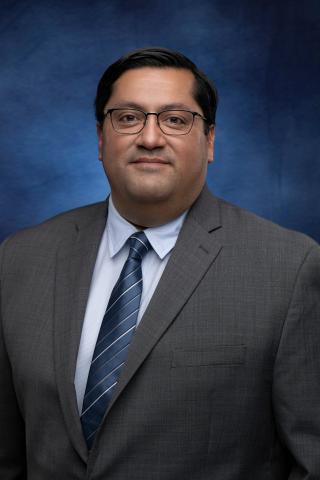
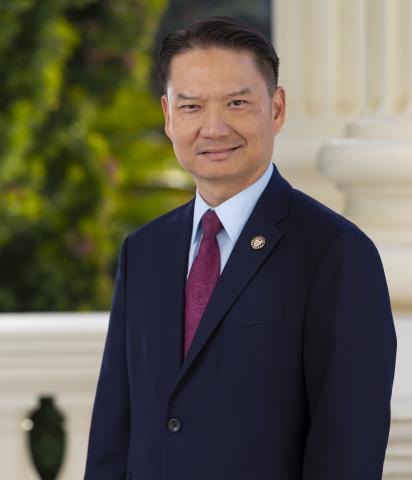
Senate Resolution 103 designates the first full week in May 2026 as Tardive Dyskinesia Awareness Week in California. This proclamation aims to raise public and medical awareness about tardive dyskinesia, a movement disorder that can occur in people taking antipsychotic medications for mental health conditions. The resolution emphasizes the importance of early detection and routine screening for this condition, which affects a significant portion of patients who may be undiagnosed. By highlighting these issues, the bill encourages healthcare providers and patients to prioritize regular check-ups and education regarding the risks and symptoms associated with long-term antipsychotic use.
This measure would designate the week of March 15, 2026, to March 21, 2026, inclusive, as Family Physician Week, recognize the invaluable contributions of family physicians to California's health care system, and encourage continued investment in primary care to strengthen the family medicine workforce.
Senate Resolution 89 designates March 17, 2026, as Profound Autism Day in California to raise awareness for individuals with severe autism who require 24-hour care. The resolution highlights the historical context of autism classification and notes that current research and support systems often overlook those with the most intensive needs. By recognizing this specific day, the Senate aims to encourage increased research, improved services, and greater dignity for people living with profound autism.
This measure would designate February 28, 2026, as Rare Disease Day and, with respect to rare diseases and disorders, would recognize the importance of improving awareness, encouraging accurate and early diagnosis, and supporting national and global efforts to develop effective treatments, diagnostics, and cures.
Senate Resolution 79 designates the week of March 8 through March 14, 2026, as Sleep Health Awareness Week in California. This symbolic measure aims to highlight the importance of adequate sleep for public health and encourages healthcare providers, educators, and parents to promote better sleep habits. The resolution also supports the goals of the National Sleep Foundation's annual awareness campaign and calls on citizens to discuss their sleep with medical professionals.
This Senate Resolution designates March 2026 as Colorectal Cancer Awareness Month in California to promote education and early detection of the disease. The bill highlights the importance of screening, noting that timely tests can prevent colorectal cancer, which is a leading cause of death and disproportionately affects certain demographic groups. By officially recognizing this month, the Senate aims to encourage the public to learn about the risks and benefits of getting screened. The resolution also directs the Secretary of the Senate to send copies of the document to the sponsoring legislator for distribution.
Senate Resolution 82 declares February 2026 as Children's Dental Health Month in California to raise awareness about the importance of oral health. The resolution highlights that tooth decay is a major public health issue affecting many children, particularly those from disadvantaged backgrounds, and notes that untreated dental problems can lead to missed school days and learning difficulties. While acknowledging recent improvements in access to Medi-Cal dental services, the bill emphasizes the need for continued efforts to prevent cavities through education and preventive care. This measure serves as a symbolic recognition rather than establishing new laws or funding, aiming to encourage policymakers and the public to focus on childhood oral health.
The Personal Income Tax Law allows various credits against the tax imposed by that law. This bill, for taxable years beginning on or after January 1, 2026, and before January 1, 2031, would allow a credit against those taxes in an amount equal to 50% of unreimbursed costs paid or incurred by a taxpayer for the purchase of durable medical equipment, as defined, for use by a qualifying dependent, as defined, during the taxable year. The bill would limit the credit to $5,000 per taxable year for each qualifying dependent. Existing law requires any bill authorizing a new tax expenditure to contain, among other things, specific goals that the tax expenditure will achieve, detailed performance indicators, and data collection requirements. This bill also would include additional information required for any bill authorizing a new tax expenditure. This bill would take effect immediately as a tax levy.
Existing law, the Knox-Keene Health Care Service Plan Act of 1975, provides for the licensure and regulation of health care service plans by the Department of Managed Health Care and makes a willful violation of the act a crime. Existing law provides for the regulation of disability insurers by the Department of Insurance. Existing law requires a health care service plan or disability insurer to allow an individual to enroll in or change their health benefit plan as a result of a specified triggering event. This bill, the PARENT Act, would make pregnancy a triggering event for purposes of enrollment or changing a health benefit plan. Because a willful violation of this provision by a health care service plan would be a crime, the bill would impose a state-mandated local program. The California Constitution requires the state to reimburse local agencies and school districts for certain costs mandated by the state. Statutory provisions establish procedures for making that reimbursement. This bill would provide that no reimbursement is required by this act for a specified reason.
Existing law establishes the State Department of Public Health to implement various programs throughout the state relating to public health. The department administers the California Wastewater Surveillance Dashboard that provides an overview of data from testing wastewater for SARS-CoV-2 virus in California. The data in the dashboard is generated by those participating in the department's California Surveillance of Wastewaters (Cal-SuWers) network, including the Cal-SuWers program, WastewaterSCAN, the federal Centers for Disease Control and Prevention National Wastewater Surveillance System, wastewater utilities, and academic, laboratory, and other state and federal partners. This bill would require the department, in consultation with participating wastewater treatment facilities, local health departments, and other subject matter experts, to maintain the Cal-SuWers network to test, as appropriate for public health use, for pathogens, toxins, or other public health indicators in wastewater. The bill would require participation in the Cal-SuWers network from local health departments and wastewater treatment facilities to be voluntary. The bill would authorize the department to coordinate with health care providers, local health departments, and emergency response agencies to ensure wastewater surveillance data is used for early intervention, outbreak response, epidemiological investigations, and public health planning. The bill would authorize the department to communicate to the general public, through a publicly accessible internet website, as specified, to provide transparency and public awareness of wastewater-based disease monitoring. The bill would authorize the department to utilize external funding sources, in addition to the department's existing, noncontinuously appropriated funding sources, to implement these provisions. The bill would make related findings and declarations.