Issue · Budget & Taxes

Budget & Taxes (Tax Credits)

Every budget & taxes bill, vote, and legislator stance in California, automatically classified by Maddy, our AI policy reader.

Total bills
3
2025-2026 Regular Session
Top supporter
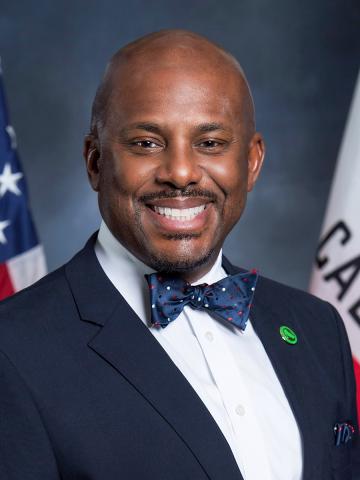
Mike Gipson
100% support rate
Top opponent
Megan Dahle
0% support rate
Ranked legislators
10
5 support · 5 oppose
Key legislators

Who's moving tax credits in California

Legislators moving tax credits in California
Legislator Party Stance Support rate Votes
Mike Gipson
Mike Gipson House · District 65
D
Strong +
100% 7
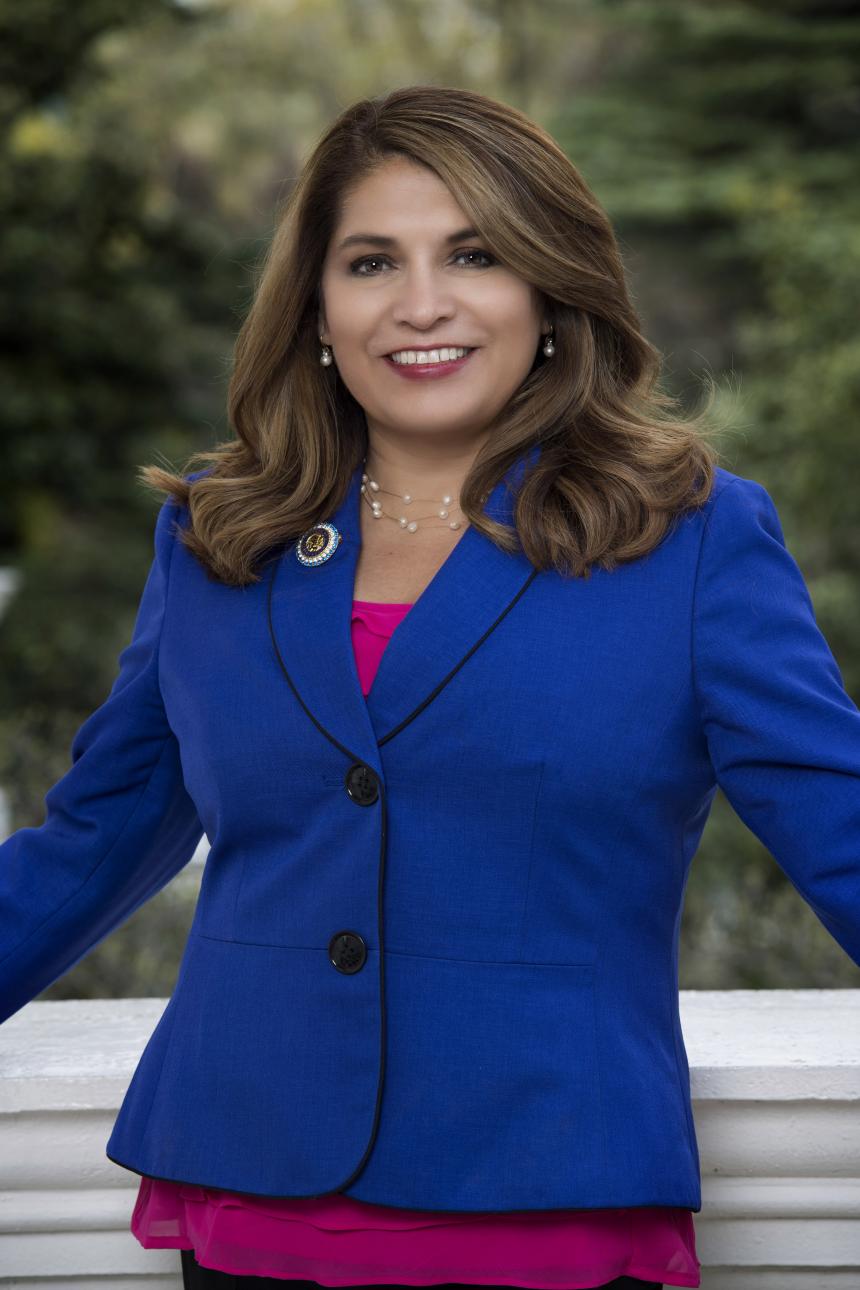
Sharon Quirk-Silva
Sharon Quirk-Silva House · District 67
D
Strong +
100% 7
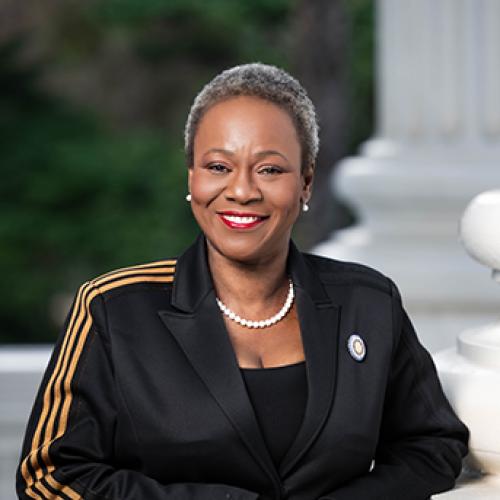
Tina McKinnor
Tina McKinnor House · District 61
D
Strong +
100% 6
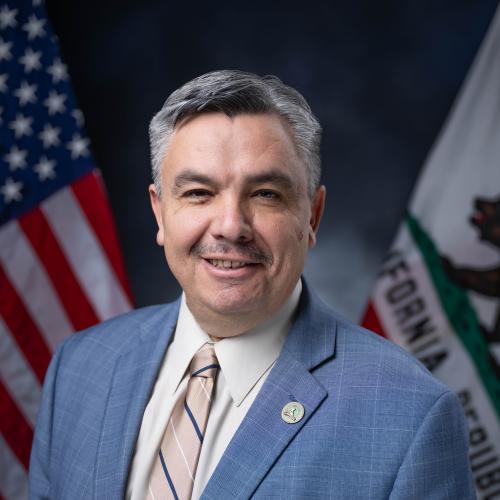
Juan Carrillo
Juan Carrillo House · District 39
D
Strong +
100% 5
Aisha Wahab
Aisha Wahab Senate · District 10
D
Strong +
100% 4
Megan Dahle
Megan Dahle Senate · District 1
R
Strong −
0% 4
Kelly Seyarto
Kelly Seyarto Senate · District 32
R
Strong −
0% 3
Carl DeMaio
Carl DeMaio House · District 75
R
Strong −
14% 7
Kate Sanchez
Kate Sanchez House · District 71
R
Oppose
25% 4
Jerry McNerney
Jerry McNerney Senate · District 5
D
Oppose
33% 6
Showing 3 of 3 bills

All budget & taxes bills

in committee · California · Assembly Apr 27, 2026

AB 2673: Personal Income Tax Law: Corporation Tax Law: credit: childcare.

The Personal Income Tax Law and the Corporation Tax Law allow various credits against the taxes imposed by those laws. This bill would allow a credit against those taxes for each taxable year beginning on or after January 1, 2027, and before January 1, 2032, in an amount equal to 50% of qualified contributions to promote childcare, up to $100,000, as specified. Existing law requires any bill authorizing a new tax expenditure, as defined, to include tax credits, to contain, among other things, specific goals, purposes, and objectives that the tax credit will achieve, detailed performance indicators, and data collection requirements. This bill would include findings and reporting requirements in compliance with this requirement. This bill would take effect immediately as a tax levy.
failed · California · Assembly Feb 2, 2026

AB 895: Personal Income Tax Law: Corporation Tax Law: credits: fast food restaurants.

The Personal Income Tax Law and the Corporation Tax Law allow various credits against the taxes imposed by those laws. This bill, for taxable years beginning on or after January 1, 2026, and before January 1, 2031, would allow a credit against those taxes to qualified taxpayers, defined to mean certain fast food restaurant franchisees or independent operators, in the amount of $12,000 per qualified fast food restaurant, as defined. Existing law requires any bill authorizing a new tax expenditure to contain, among other things, specific goals that the tax expenditure will achieve, detailed performance indicators, and data collection requirements. This bill also would include additional information required for any bill authorizing a new tax expenditure. This bill would take effect immediately as a tax levy.
failed · California · Assembly Feb 2, 2026

AB 386: Personal Income Tax Law: Corporation Tax Law: credits: student loan payments.

(1) The Personal Income Tax Law and the Corporation Tax Law allow various credits against the taxes imposed by those laws. This bill, for taxable years beginning on or after January 1, 2027, and before January 1, 2032, would allow a credit against those taxes to a qualified taxpayer for student loan payments, as defined, made by the qualified taxpayer on behalf of a qualified full-time employee, as defined, not to exceed $3,000 per employee during the taxable year. The bill would define qualified taxpayer for this purpose to mean a taxpayer whose employees do not perform jobs described by specified federal law. The bill would limit the aggregate amount of credits allocated to $25,000,000 per year, and would require the Franchise Tax Board, in coordination with the Student Aid Commission, to allocate the credit through tentative credit reservations, as described. (2) The Personal Income Tax Law, in modified conformity with federal income tax law, generally defines "gross income" as income from whatever source derived, except as specifically excluded, and provides various exclusions from gross income. This bill, for taxable years beginning on or after January 1, 2027, and before January 1, 2032, would provide an exclusion from gross income for student loan payments made by a qualifying employer, as defined, on behalf of a qualified taxpayer, as defined, that is a full-time employee. (3) Existing law requires a bill authorizing a new tax expenditure to contain, among other things, specific goals the tax expenditure will achieve, detailed performance indicators, and data collection requirements. This bill would include additional information required for any bill authorizing a new tax expenditure. (4) This bill would take effect immediately as a tax levy.