Issue · Budget & Taxes

Budget & Taxes (Government Spending)

Every budget & taxes bill, vote, and legislator stance in California, automatically classified by Maddy, our AI policy reader.

Total bills
89
2025-2026 Regular Session
Top supporter
Juan Carrillo
100% support rate
Top opponent
Ali Macedo
0% support rate
Ranked legislators
10
5 support · 5 oppose
Key legislators

Who's moving government spending in California

Legislators moving government spending in California
Legislator Party Stance Support rate Votes
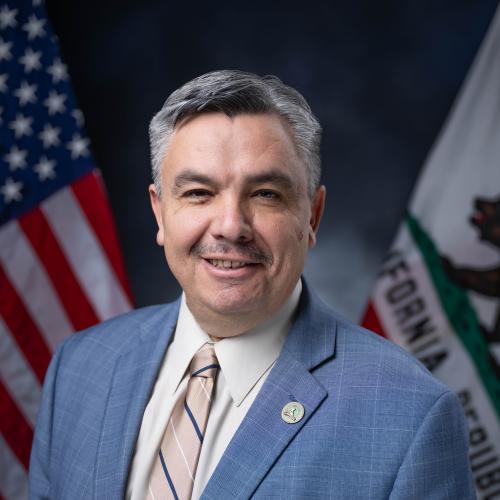
Juan Carrillo
Juan Carrillo House · District 39
D
Strong +
100% 13
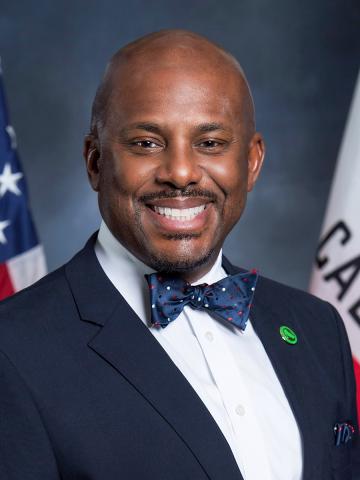
Mike Gipson
Mike Gipson House · District 65
D
Strong +
100% 12
Sharon Quirk-Silva
Sharon Quirk-Silva House · District 67
D
Strong +
100% 12
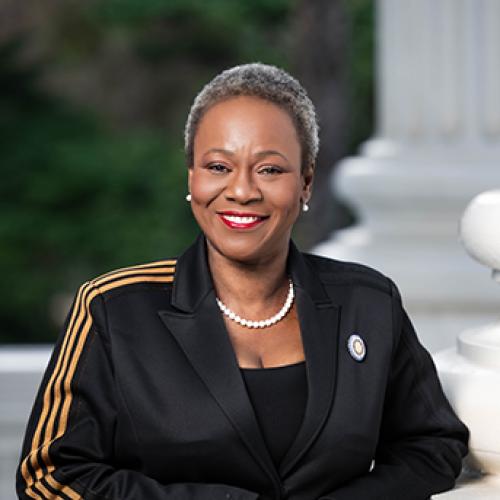
Tina McKinnor
Tina McKinnor House · District 61
D
Strong +
100% 12
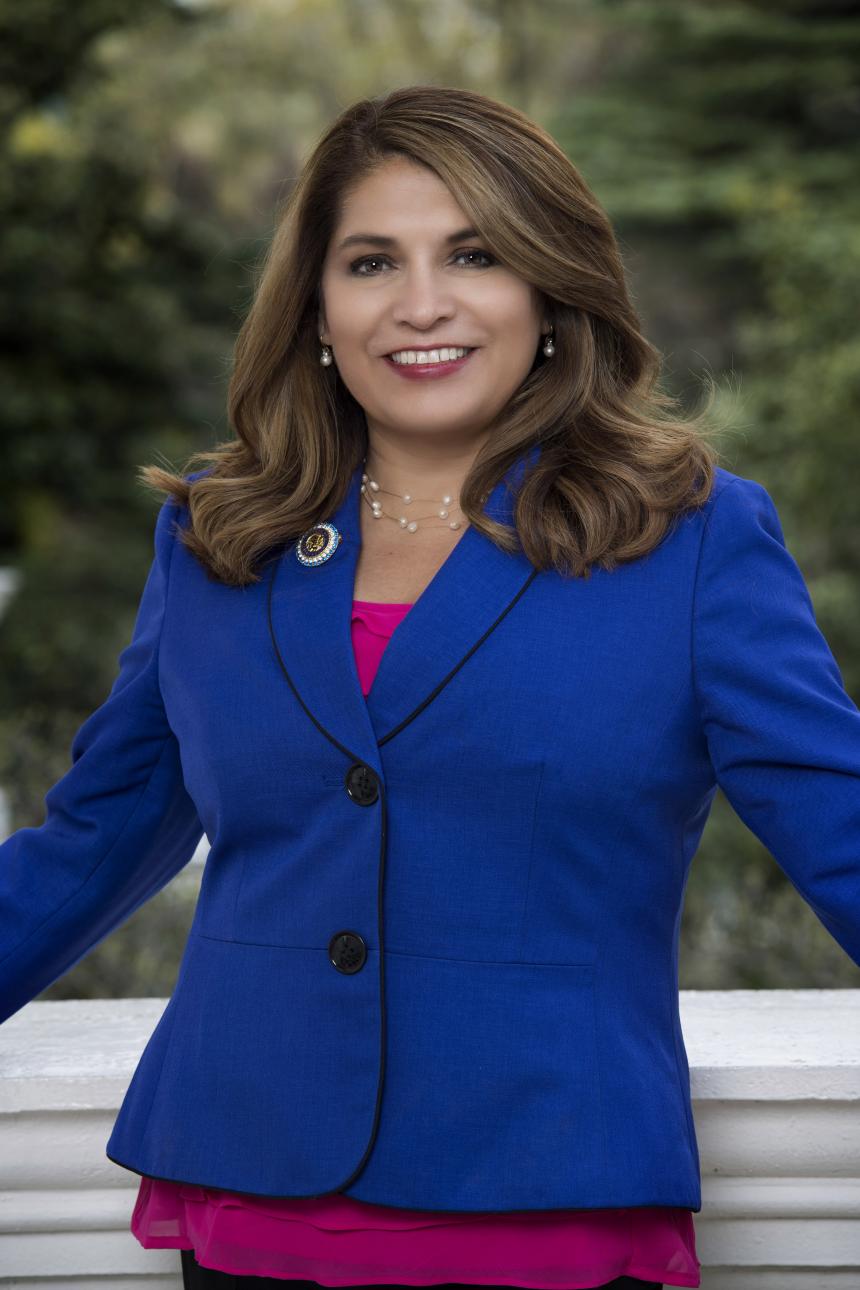
Blanca Pacheco
Blanca Pacheco House · District 64
D
Strong +
100% 10
Ali Macedo
Ali Macedo House · District 33
R
Strong −
0% 9
David Tangipa
David Tangipa House · District 8
R
Strong −
0% 9
Diane Dixon
Diane Dixon House · District 72
R
Strong −
0% 9
Joshua Hoover
Joshua Hoover House · District 7
R
Strong −
0% 9
Kelly Seyarto
Kelly Seyarto Senate · District 32
R
Strong −
0% 9
Showing 81–89 of 89 bills

All budget & taxes bills

failed · California · Senate Feb 2, 2026

SB 666: Personal income tax: credit: home security surveillance.

The Personal Income Tax Law allows various credits against the taxes imposed by that law. This bill would allow a credit against those taxes for each taxable year beginning on or after January 1, 2026, and before January 1, 2031, in an amount equal to the amount paid or incurred, not to exceed $250, during the taxable year for the purchase and installation of a security surveillance system at the taxpayer's principal dwelling or housing unit located in the state. Existing law requires any bill authorizing a new tax expenditure, as defined, to include tax credits, to contain, among other things, specific goals, purposes, and objectives that the tax credit will achieve, detailed performance indicators, and data collection requirements. This bill would include findings and reporting requirements in compliance with this requirement. This bill would take effect immediately as a tax levy.
failed · California · Senate Feb 2, 2026

SB 665: Personal Income Tax Law: Corporation Tax Law: credits: retail security measures.

The Personal Income Tax Law and the Corporation Tax Law allow various credits against the taxes imposed by those laws. This bill, for taxable years beginning on or after January 1, 2025, and before January 1, 2030, would allow a credit against those taxes to a qualified taxpayer, as defined, for retail theft prevention measures, as specified. The bill would limit the credit allowed to a taxpayer to no more than $10,000 per taxable year. Existing law requires any bill authorizing a new tax expenditure to contain, among other things, specific goals, purposes, and objectives that the tax expenditure will achieve, detailed performance indicators, and data collection requirements. This bill also would include additional information required for any bill authorizing a new tax expenditure. This bill would take effect immediately as a tax levy.
failed · California · Senate Feb 2, 2026

SB 696: Sales and Use Tax Law: exemptions: firefighting equipment.

Existing state sales and use tax laws impose a tax on retailers measured by the gross receipts from the sale of tangible personal property sold at retail in this state or on the storage, use, or other consumption in this state of tangible personal property purchased from a retailer for storage, use, or other consumption in this state. The Sales and Use Tax Law provides various exemptions from those taxes. This bill, on and after July 1, 2026, and before January 1, 2031, would exempt from those taxes the gross receipts from the sale in this state of, and the storage, use, or other consumption in this state of, firefighting apparatus, equipment, or specialized vehicles, as defined, purchased by a fire department, including an all-volunteer fire department, as defined, or a fire protection district. Existing law requires any bill authorizing a new tax expenditure to contain, among other things, specific goals that the tax expenditure will achieve, detailed performance indicators, and data collection requirements. This bill also would include additional information required for any bill authorizing a new tax expenditure. The Bradley-Burns Uniform Local Sales and Use Tax Law authorizes counties and cities to impose local sales and use taxes in conformity with the Sales and Use Tax Law, and existing laws authorize districts, as specified, to impose transactions and use taxes in accordance with the Transactions and Use Tax Law, which generally conforms to the Sales and Use Tax Law. Amendments to the Sales and Use Tax Law are automatically incorporated into the local tax laws. This bill would provide that the exemption created by the bill does not apply to local sales and use taxes or transactions and use taxes. Existing law imposes or dedicates certain state sales and use tax rates for local funding, including through the Local Revenue Fund 2011. This bill would provide that the exemption created by the bill does not apply to those state sales and use tax rates imposed or dedicated for local government funding, including those rates for which revenues are deposited into the Local Revenue Fund 2011. This bill would take effect immediately as a tax levy.
failed · California · Assembly Jun 5, 2025

AB 1354: Personal Income Tax Law: credits: insurance.

The Personal Income Tax Law allows various credits against the tax imposed by that law. This bill would, for taxable years beginning on or after January 1, 2026, and before January 1, 2031, allow a credit against that tax to a qualified taxpayer, as defined, equal to the amount paid during the taxable year for premium payments made by the taxpayer for a policy of residential property insurance, as defined, minus the base year premium, defined as the premium paid by the taxpayer for a fire insurance policy in the 2023 calendar year. Existing law requires any bill authorizing a new tax expenditure to contain, among other things, specific goals, purposes, and objectives that the tax expenditure will achieve, detailed performance indicators, and data collection requirements. This bill also would include additional information required for any bill authorizing a new tax expenditure. This bill would take effect immediately as a tax levy.
Sub-Topics Government Spending
failed · California · Senate Feb 2, 2026

SB 1: Personal income taxes: exclusion: Military Services Retirement and Surviving Spouse Benefit Payment Act.

The Personal Income Tax Law, in conformity with federal income tax laws, defines "gross income" as income from whatever source derived, except as specifically excluded, and provides various exclusions from gross income, including an exclusion for combat-related special compensation. This bill, for taxable years beginning on or after January 1, 2025, and before January 1, 2035, would exclude from gross income retirement pay received by a qualified taxpayer, as defined, during the taxable year, not to exceed $20,000, from the federal government for service performed in the uniformed services, as defined. The bill, for taxable years beginning on or after January 1, 2025, and before January 1, 2035, would also exclude from gross income annuity payments received by a qualified taxpayer, as defined, during the taxable year, not to exceed $20,000, pursuant to a United States Department of Defense Survivor Benefit Plan. The bill would make related findings and declarations. Existing law requires any bill authorizing a new tax expenditure to contain, among other things, specific goals, purposes, and objectives that the tax expenditure will achieve, detailed performance indicators, and data collection requirements. This bill also would include additional information required for any bill authorizing a new tax expenditure. This bill would take effect immediately as a tax levy.
failed · California · Assembly Feb 2, 2026

AB 613: Property taxation: assessment: affordable commercial property.

Existing law requires the county assessor to consider, when valuing real property for property taxation purposes, the effect of any enforceable restrictions to which the use of the land may be subjected, including, but not limited to, zoning, recorded contracts with governmental agencies, and various other restrictions imposed by governments. This bill would add to the above-described enforceable restrictions certain renewable leases between a commercial community ownership entity, as defined, that owns the land and a nonprofit, as defined. By expanding the duties of local tax officials, this bill would impose a state-mandated local program. Existing law requires any bill authorizing a new tax expenditure to contain, among other things, specific goals, purposes, and objectives that the tax expenditure will achieve, detailed performance indicators, and data collection requirements. This bill would include additional information required for any bill authorizing a new tax expenditure. The California Constitution requires the state to reimburse local agencies and school districts for certain costs mandated by the state. Statutory provisions establish procedures for making that reimbursement. This bill would provide that, if the Commission on State Mandates determines that the bill contains costs mandated by the state, reimbursement for those costs shall be made pursuant to the statutory provisions noted above. Existing law requires the state to reimburse local agencies annually for certain property tax revenues lost as a result of any exemption or classification of property for purposes of ad valorem property taxation. This bill would provide that, notwithstanding those provisions, no appropriation is made and the state shall not reimburse local agencies for property tax revenues lost by them pursuant to the bill. This bill would take effect immediately as a tax levy.
failed · California · Assembly Feb 2, 2026

AB 397: Personal Income Tax Law: young child tax credit.

The Personal Income Tax Law allows various credits against the taxes imposed by that law, including a young child tax credit to a qualified taxpayer in a specified amount multiplied by the earned income tax credit adjustment factor, as provided. That law also allows a payment from the continuously appropriated Tax Relief and Refund Account for an amount in excess of tax liability. Existing law defines "qualified taxpayer" for this purpose to include an eligible individual, as defined, who has a qualifying child, defined to be a child younger than 6 years of age as of the last day of the taxable year, and who meets other specified criteria. This bill, for taxable years beginning on or after January 1, 2025, would instead define a "qualifying child" to mean a child younger than a specified age as of the last day of the taxable year, as described. By increasing the payments from the Tax Relief and Refund Account, a continuously appropriated fund, the bill would make an appropriation. Existing law requires any bill authorizing a new tax expenditure to contain, among other things, specific goals that the tax expenditure will achieve, detailed performance indicators, and data collection requirements. This bill would include additional information required for any bill authorizing a new tax expenditure.
signed · California · Senate Oct 1, 2025

SB 87: Sales and Use Tax Law: consumer designation: all-volunteer fire departments.

Existing sales and use tax laws, among other things, impose a tax on retailers measured by the gross receipts from their sales of tangible personal property sold at retail in this state. The Sales and Use Tax Law makes certain sellers of tangible personal property consumers, and not retailers, of the tangible personal property they sell, including, until January 1, 2026, an all-volunteer fire department, as defined, if the profits are used solely and exclusively in furtherance of the purposes of the all-volunteer fire department, as prescribed. This bill would extend the sunset described above until January 1, 2031. Existing law requires any bill authorizing a new tax expenditure to contain, among other things, specific goals, purposes, and objectives that the tax expenditure will achieve, detailed performance indicators, and data collection requirements. The bill also would include additional information required for any bill authorizing a new tax expenditure. The Bradley-Burns Uniform Local Sales and Use Tax Law authorizes counties and cities to impose local sales and use taxes in conformity with the Sales and Use Tax Law, and existing laws authorize districts, as specified, to impose transactions and use taxes in accordance with the Transactions and Use Tax Law, which generally conforms to the Sales and Use Tax Law. Amendments to the Sales and Use Tax Law are automatically incorporated into the local tax laws. Existing law requires the state to reimburse counties and cities for revenue losses caused by the enactment of sales and use tax exemptions. This bill would provide that, notwithstanding Section 2230 of the Revenue and Taxation Code, no appropriation is made and the state shall not reimburse any local agencies for sales and use tax revenues lost by them pursuant to this bill. This bill would take effect immediately as a tax levy.
vetoed · California · Senate Mar 2, 2026

SB 785: Personal income tax: credit: durable medical equipment.

The Personal Income Tax Law allows various credits against the tax imposed by that law. This bill, for taxable years beginning on or after January 1, 2026, and before January 1, 2031, would allow a credit against those taxes in an amount equal to 50% of unreimbursed costs paid or incurred by a taxpayer for the purchase of durable medical equipment, as defined, for use by a qualifying dependent, as defined, during the taxable year. The bill would limit the credit to $5,000 per taxable year for each qualifying dependent. Existing law requires any bill authorizing a new tax expenditure to contain, among other things, specific goals that the tax expenditure will achieve, detailed performance indicators, and data collection requirements. This bill also would include additional information required for any bill authorizing a new tax expenditure. This bill would take effect immediately as a tax levy.
Showing 81 to 89 of 89 bills
Previous 1 7 8 9