

Maddy summaryThe Securing Agriculture's Workforce Act of 2026 modernizes the H-2A visa program by transferring administrative authority to the Department of Homeland Security and introducing a unified online platform to streamline applications for employers and workers. Key provisions include establishing new housing standards with mandatory inspections, creating a system for staggered worker entry and exit, and allowing workers to transfer between employers without losing their status. The bill also defines specific job classifications for wage calculations, expands the scope of covered agricultural activities, and provides legal protections for employers who document the employment of workers seeking visa status. Additionally, it requires agencies to develop a heat illness prevention plan and allows for contract termination due to natural disasters.
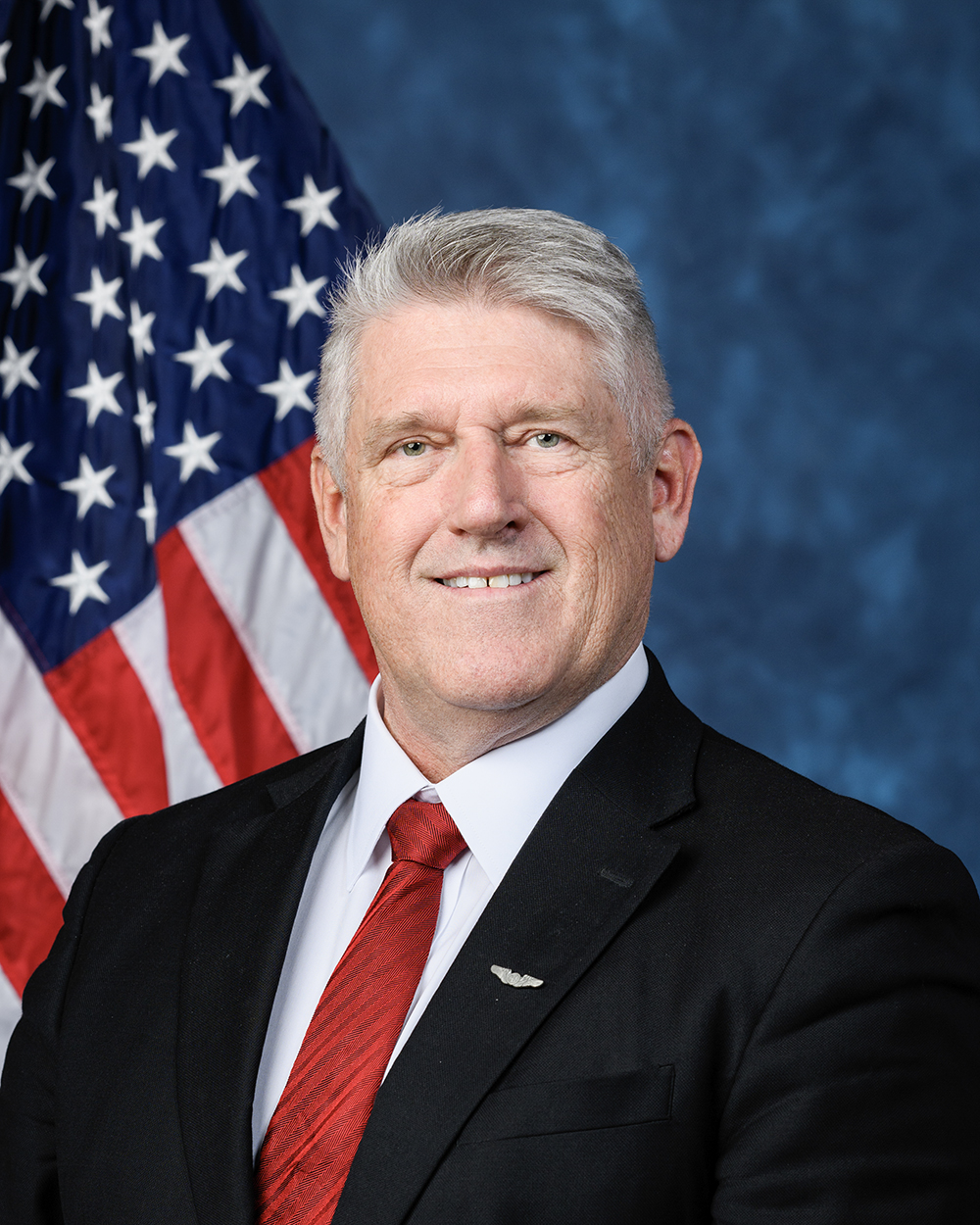
Rep. Troy Downing
Sponsored bills
Maddy summaryThis bill redesignates the existing National Parks and Public Land Legacy Restoration Fund as the America's Legacy Restoration Fund to address deferred maintenance on federal lands. It directs revenue from recreation fees and a portion of energy development income into the fund, which must be used primarily for repairing critical infrastructure like roads, trails, and buildings managed by agencies such as the National Park Service and the Forest Service. The legislation establishes strict rules requiring that most funds go toward non-transportation projects, mandates transparency through public dashboards tracking project status, and sets aside a small percentage for matching private donations. Additionally, the bill increases entrance fees for foreign visitors to ensure they contribute to the fund, while prohibiting the use of these specific funds for land acquisition or employee bonuses.
Maddy summaryHR 2978, the GUARD Act, allows state, local, and tribal law enforcement agencies to use existing federal grant funds for investigating elder financial fraud, "pig butchering" investment scams, and general financial fraud. The bill directs these funds toward hiring specialized staff, training on blockchain tools and transnational fraud, purchasing investigative software, improving data collection, and creating financial sector liaisons to coordinate with banks. It requires annual reports from law enforcement on fund usage and outcomes, and mandates federal agencies to submit comprehensive reports to Congress on scam statistics, enforcement actions, and funding allocation. The legislation directly affects law enforcement agencies and aims to strengthen efforts against fraud targeting vulnerable populations, particularly elderly individuals.
Maddy summaryThe Hydropower Licensing Affordability Act amends the Federal Power Act to modify how federal licenses for hydropower projects are issued. Specifically, it requires that license conditions include measures to reasonably mitigate direct adverse effects on federal reservations and fish populations within applicable river systems. These changes aim to ensure that new or existing hydropower projects address environmental impacts on protected lands and aquatic species before a license is granted. The bill directly affects hydropower project developers and federal agencies responsible for licensing and environmental oversight.
Repealing Big Brother Overreach Act This bill repeals the Corporate Transparency Act. The act requires existing companies and newly created companies to report beneficial ownership information to the Department of the Treasury’s Financial Crimes Enforcement Network for purposes of addressing the financing of terrorism and money laundering.
Maddy summaryThe Build Housing Affordably Act requires the Department of Housing and Urban Development to study how the Build America, Buy America Act affects affordable housing projects, including costs, delays, and the efficiency of the waiver process. The bill mandates that the department must complete this study and submit a report to Congress within 90 days. Until that report is delivered, the new material sourcing rules will be paused for 60 days, and any waiver requests submitted during that time must be decided within 90 days or automatically granted. This legislation directly impacts builders, developers, and contractors working on federally assisted housing projects by temporarily removing compliance requirements and setting strict timelines for administrative decisions.
Maddy summaryThe Local Data for Better Conservation Act requires the federal government to include data collected by states when deciding whether to list or remove species from the endangered species list. This change directly impacts state agencies and conservationists who gather information about local wildlife populations. By mandating the integration of state-collected data, the bill aims to ensure that federal decisions are based on a more comprehensive set of regional observations. The legislation does not alter the overall process for listing species but modifies how evidence is considered during those determinations.
Maddy summaryHR 1041, the Veterans 2nd Amendment Protection Act, prevents the Department of Veterans Affairs (VA) from automatically sending veterans' personal information to the national background check system (NICS) solely because a court has appointed a fiduciary (like a guardian) to manage their benefits. This directly affects veterans who have a fiduciary appointed due to mental health or cognitive challenges but are not deemed a danger to themselves or others. The bill requires a court order finding the veteran poses a danger before any such information can be shared with the NICS. It changes VA procedures to block unnecessary barriers to firearm ownership for veterans who qualify for fiduciary support without a judicial determination of danger.
Maddy summaryThe Accelerating Forest Management Act streamlines the environmental review process for salvage harvesting on Bureau of Land Management lands by categorically excluding certain actions from requiring an environmental assessment or impact statement. This change applies specifically to the removal of dead or dying trees caused by natural disturbances like fire or insects, provided the work stays within specific acreage limits and follows existing land use plans. The bill also permits the construction of limited new permanent roads, maintenance of existing roads, and the building of temporary roads for harvest operations, while mandating that operators disclose how they address environmental concerns such as erosion, soil compaction, and invasive species. Additionally, the legislation extends the funding period for the Forest Ecosystem Health and Recovery Fund from 2020 to 2033 to support these management efforts.
Maddy summaryThis bill would cancel a 2001 federal rule that restricted road building on National Forest System lands and direct the Secretary of Agriculture to construct new roads on those lands. The legislation specifically nullifies the Roadless Area Conservation rule and prohibits the Agriculture Department from creating any similar restrictions in the future. Under the bill, the Forest Service must build permanent and temporary roads to support forest restoration, reduce wildfire risks in at-risk communities and municipal watersheds, replace roads harming forest health, and fulfill the intent of the 1897 Forest Management Act. The changes directly affect federal land management decisions and would impact communities and organizations that rely on forest access and wildfire prevention efforts.