

Maddy summarySenate Concurrent Resolution 1055 is a commemorative measure that honors the life and service of Major General Glen W. 'Bill' Van Dyke, a retired Arizona National Guard leader who passed away in April 2026. The resolution formally recognizes his nearly 38 years of military and public service, including his roles as a pilot, commander of the 162nd Fighter Group, and Adjutant General of Arizona. It expresses the legislature's condolences to Van Dyke's family and friends while acknowledging his contributions to the state and nation.
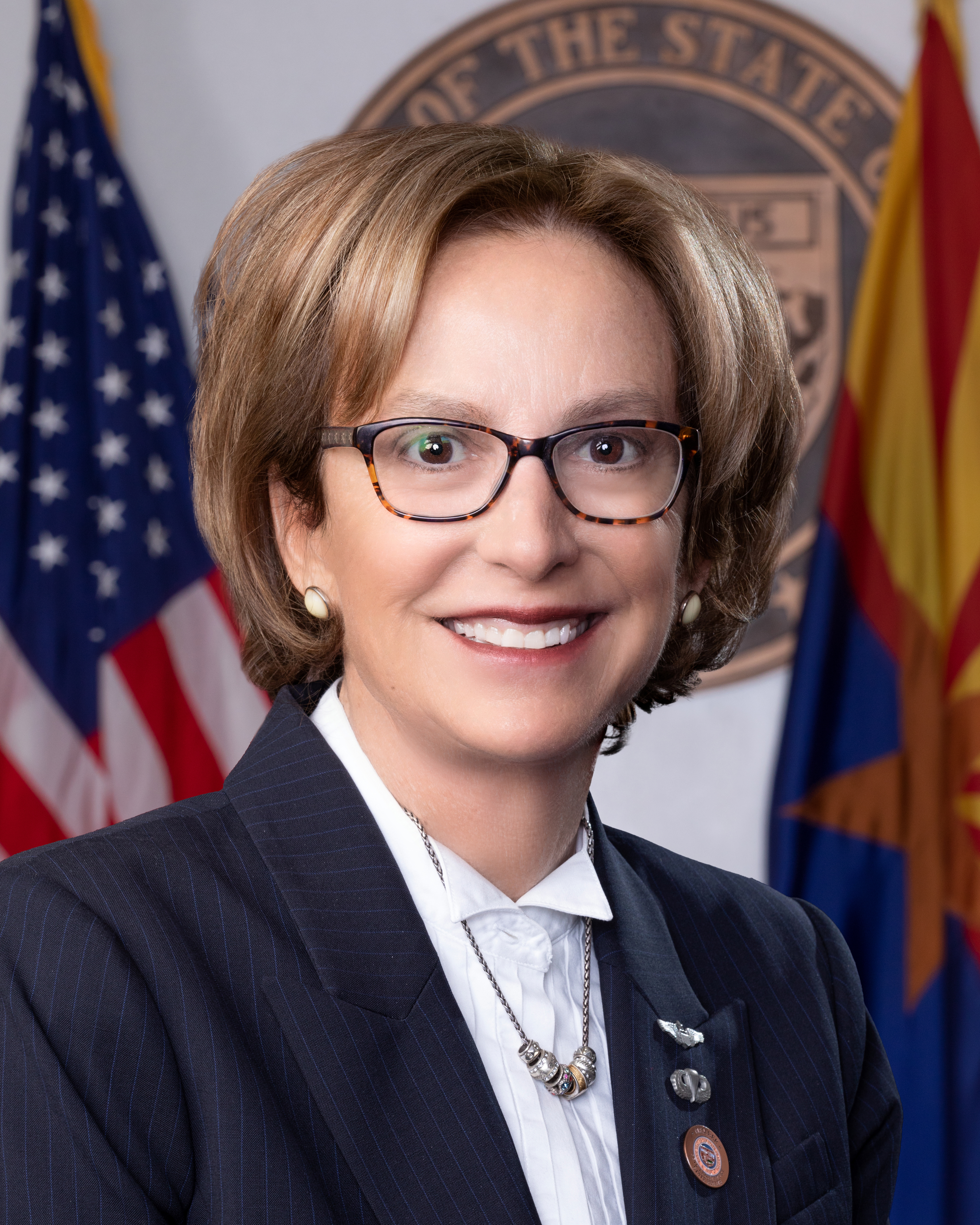
Sen. Wendy Rogers
Sponsored bills
Maddy summaryThis is a commemorative resolution (HCR 2063), not a substantive bill. It honors Yvonne Glee Lime Fedderson, founder of Childhelp and a global humanitarian dedicated to child welfare, following her death on January 23, 2026. The resolution expresses the Arizona Legislature's sympathy to her family and admirers, and directs the Secretary of State to send copies of the resolution to her family and Childhelp. It has no policy provisions or impact on legislation.
Maddy summarySB 1431 prohibits Arizona municipalities from requiring homeowner associations for subdivisions or mandating features like gates, walls, or shared amenities that would necessitate such associations. It also blocks cities from restricting home design elements - including colors, roof styles, fencing, or patio layouts - for single-family homes and accessory dwelling units. The bill exempts historical districts, tribal lands, and areas near military facilities, while still allowing municipalities to enforce building codes, fire safety rules, and utility requirements. This legislation directly affects developers, homebuyers, and local governments by limiting municipal control over residential design and community structure. It does not change existing safety or utility regulations but aims to reduce local government oversight of home aesthetics and access features.
Maddy summarySB 1424 requires Arizona public schools to provide annual, age-appropriate firearm safety instruction to students in kindergarten through 12th grade starting in the 2027-2028 school year. The instruction must focus solely on accident prevention and personal safety - covering safe storage, actions to take if encountering a firearm, and risks of unsafe handling - while explicitly prohibiting live firearms, ammunition, or any training on firearm use. The Arizona Department of Education will develop neutral, fact-based instructional materials in collaboration with public safety agencies, and schools must make all materials available for parental review. The bill does not regulate firearm ownership or possession, nor does it promote or discourage firearm ownership.
Maddy summaryArizona's SB 1049 amends Section 25-319 of the Arizona Revised Statutes to clarify and update rules for spousal maintenance (alimony) in divorce or legal separation cases. The bill specifies that courts must consider 13 defined factors - including the standard of living during marriage, duration of the marriage, each spouse's earning ability, and contributions to the other's career - when determining maintenance amounts and duration. It establishes that maintenance must be limited to the period necessary for the recipient to become self-sufficient, with a maximum duration (though the exact timeframe is blank in the bill text), and defines "reasonable needs" to include basic necessities like housing, food, healthcare, and child-related expenses. This bill directly affects divorcing couples in Arizona by standardizing how courts calculate and award spousal support.
Maddy summarySB 1042 allows Arizona's state treasurer and retirement systems to invest up to 10% of public funds in virtual currency (like Bitcoin). It creates a framework for storing such holdings in a secure, segregated account within a potential federal "strategic bitcoin reserve" if established. The bill defines key terms, including "public fund" (state treasurer or retirement systems) and "virtual currency" as a digital medium of exchange. This directly changes investment rules for state pension funds and treasury accounts, permitting new digital asset holdings within a specific percentage limit.
Maddy summarySB 1043 allows Arizona state agencies to accept cryptocurrency payments for fines, taxes, fees, and other obligations through agreements with licensed cryptocurrency service providers. Agencies must define terms for accepting or declining crypto, handle service fees (either covering them or requiring payers to pay them), and ensure final payment is received in full before liability ends. This applies to all state payments covered under existing tax and fee statutes, with cryptocurrency defined to include major digital currencies like Bitcoin and Ethereum. The bill takes effect in 2026.
Maddy summaryThis bill (SCM 1006) proposes renaming a specific segment of U.S. Route 70 in Arizona to honor PFC Michael A. Noline. It directs the State Board on Geographic and Historic Names to rename the stretch from State Route 77 to milepost 300 near Bylas, Arizona, as the "PFC Michael A. Noline Memorial Highway." The bill commemorates Noline, a San Carlos Apache Tribe member and Globe High School graduate who died in Operation Desert Storm in 1991 as the first Arizonan killed in that conflict. As a commemorative resolution, it does not create new laws or affect policy, only designating a highway name.
Maddy summaryThis bill (SCM 1002) proposes renaming a specific segment of Arizona State Route 77 (between mileposts 170.93 and 135) as the "L.F. Quinn Memorial Highway" to honor Lester F. Quinn, a former Gila County Supervisor, Undersheriff, and Arizona State Highway Commissioner. It directly affects the highway designation in the Globe-Miami area, recognizing Quinn's role in upgrading this route. The bill is purely ceremonial, requesting the State Board on Geographic and Historic Names to adopt the new name, with no funding or regulatory changes. It does not impact residents or businesses beyond the official highway signage.
Maddy summarySB 1052 allows Arizona assisted living homes and centers to offer mild hyperbaric oxygen therapy to residents using FDA-cleared home-use chambers. It requires therapy to be provided only under a physician's order, with trained staff present during sessions, and mandates facilities to give residents a notice explaining the FDA-approved uses (limited to mild symptoms like acute mountain sickness) and risks of off-label use. The bill prohibits offering this therapy to residents needing directed care without specific physician approval and written informed consent. This directly affects assisted living facilities and their residents by establishing new safety and transparency requirements for this therapy.