

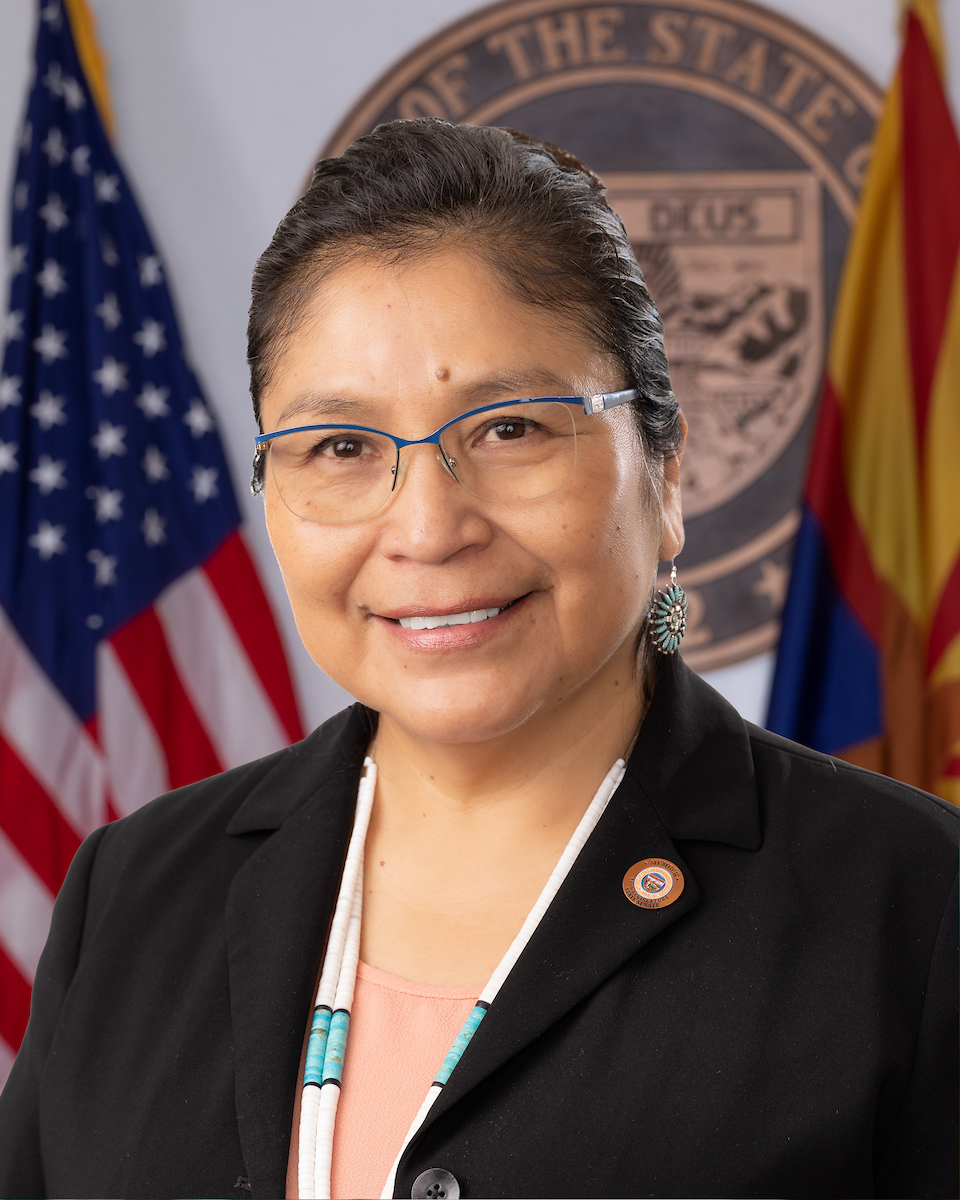
Maddy summarySB 1485 appropriates $6,000,000 from Arizona's state general fund for fiscal year 2026-2027 to the Department of Administration for the Navajo Nation. This funding covers the design, planning, construction, maintenance, and operation of the Tuba City Diné Youth Multipurpose Complex project. The bill exempts this appropriation from standard rules requiring funds to lapse if unused. It directly affects the Navajo Nation by providing state funding for a community facility in Tuba City. The key provision is the dedicated state funding allocation for the complex's development and ongoing operations.
Sponsored bills
Maddy summarySB 1510 prohibits Arizona cities, counties, and the state from including specific environmental data in nondisclosure agreements (NDAs) with private companies. The bill explicitly bans requiring secrecy around a company's water, gas, or electricity usage; air or water emissions; and waste generation (including hazardous waste). This directly affects private businesses that might otherwise be forced to sign NDAs hiding this environmental information. The law aims to ensure transparency about environmental impacts by preventing government entities from legally compelling companies to keep such data confidential.
Maddy summarySB 1482 allocates $1.5 million from Arizona's state general fund to the Navajo Nation for the surveying, design, planning, and construction of a new senior center in Fort Defiance. The funds directly support the Navajo Nation's project to build a community facility for elderly residents. The bill exempts this appropriation from standard state rules about unused funds lapsing, ensuring the money remains available for the project. This is a straightforward funding measure with no policy changes beyond the allocation.
Maddy summaryHB 2928 establishes heat illness prevention standards for employers in high-risk industries like agriculture, construction, landscaping, oil and gas, airport work, and delivery services. It requires employers to provide free drinking water with ice (and electrolytes for work over an hour above 80°F), shade or climate-controlled rest areas within 400 feet of work zones when temperatures exceed 80°F, and paid rest periods (15-45 minutes per hour) based on heat levels. Employers must also monitor workers for heat symptoms, implement emergency response protocols, and hold pre-shift safety meetings for agricultural workers. These rules, to be adopted by Arizona’s Industrial Commission, apply to all indoor and outdoor workplaces in covered industries to protect workers from heat-related health risks.
Maddy summaryHB 2927 requires construction projects exceeding 60 feet above ground or 48 feet below ground to install a temporary elevator or personnel hoist for employee use. This elevator must be operational when the structure reaches 36 feet in height (measured to the top of features like parapet walls or mechanical rooms, excluding antennas or flagpoles). The bill directly affects construction companies building tall structures, mandating safer vertical transport for workers during construction. It specifies concrete installation timing and structural measurement criteria to ensure worker safety during early build phases. The requirement applies to new construction projects, not existing buildings.
Maddy summarySCR 1017 proposes adding a new constitutional right to a clean and healthy environment in Arizona's Constitution. It states that every person has an inherent right to clean water, clean air, healthy ecosystems, a safe climate, and preserved natural qualities, belonging to both current and future generations. The amendment requires Arizona and its local governments to act as trustees of natural resources (including water, air, and climate), conserve them for all people, and prioritize securing a safe climate and clean energy as a "compelling state interest." This proposal must be approved by voters in the next general election to take effect.
Maddy summarySB 1394 establishes legal rights for individuals to access fertility treatments without unreasonable barriers, including preserving reproductive materials, artificial insemination, IVF, and related services. It directly affects patients seeking fertility care, healthcare providers offering these services, and health insurers required to cover them. Key provisions guarantee individuals’ rights to continue ongoing treatments, retain control over their reproductive materials, and ensure providers can offer evidence-based care within their scope. The bill also exempts the Department of Health Services and health boards from standard rulemaking requirements for one year to implement these provisions. This legislation aims to clarify access and rights but is pending final passage.
Maddy summarySB 1381 requires farmers or ranchers leasing state agricultural land (outside specific groundwater management areas) to pay an annual fee based on their groundwater use. They must report well locations, water volume, and usage annually by March 31. Fees collected go to the state land trust fund, with the legislature stating fees should reflect groundwater's fair market value. This bill directly affects agricultural lessees on state land in areas not covered by active groundwater management zones.
Maddy summarySB 1395 repeals Arizona's existing requirement for abortion providers to report certain data to the state. It directly affects abortion providers who previously had to submit these reports under Title 36, Chapter 20, Article 2 of the Arizona Revised Statutes. The bill removes this reporting obligation without creating new requirements or mechanisms. As a procedural repeal, it eliminates a specific administrative rule rather than changing abortion access or policy. This action was introduced in the Arizona Senate on January 26, 2026.
Maddy summarySB 1359 amends Arizona law to change how unclaimed firearms are handled and prevents local governments from enacting stricter firearm regulations. It requires that unclaimed firearms be sold to licensed dealers (not destroyed) after 30 days, unless prohibited by law, and allows law enforcement to trade firearms for equipment. The bill also blocks cities or counties from creating rules that conflict with state firearm laws, including bans on local licensing, registration, or more restrictive penalties. Exceptions include limited restrictions on minors in public places and minor tax rules for firearms sales.