

Maddy summarySB 1333 creates a "foster youth permanency pilot project team" to help Arizona children in foster care achieve permanent living arrangements before aging out of the system. The team reviews each child’s case, identifies barriers to permanency (like unmet needs or lack of family connections), and develops tailored action plans with input from the child, caregivers, and legal representatives. It directly affects youth at risk of leaving foster care without a permanent home, particularly those turning 18 or entering extended foster care. The team can access agency resources, contract with specialists (like family locators or legal experts), and must protect youth privacy while working toward permanency. The bill also updates foster home licensing rules but focuses primarily on this new support mechanism.
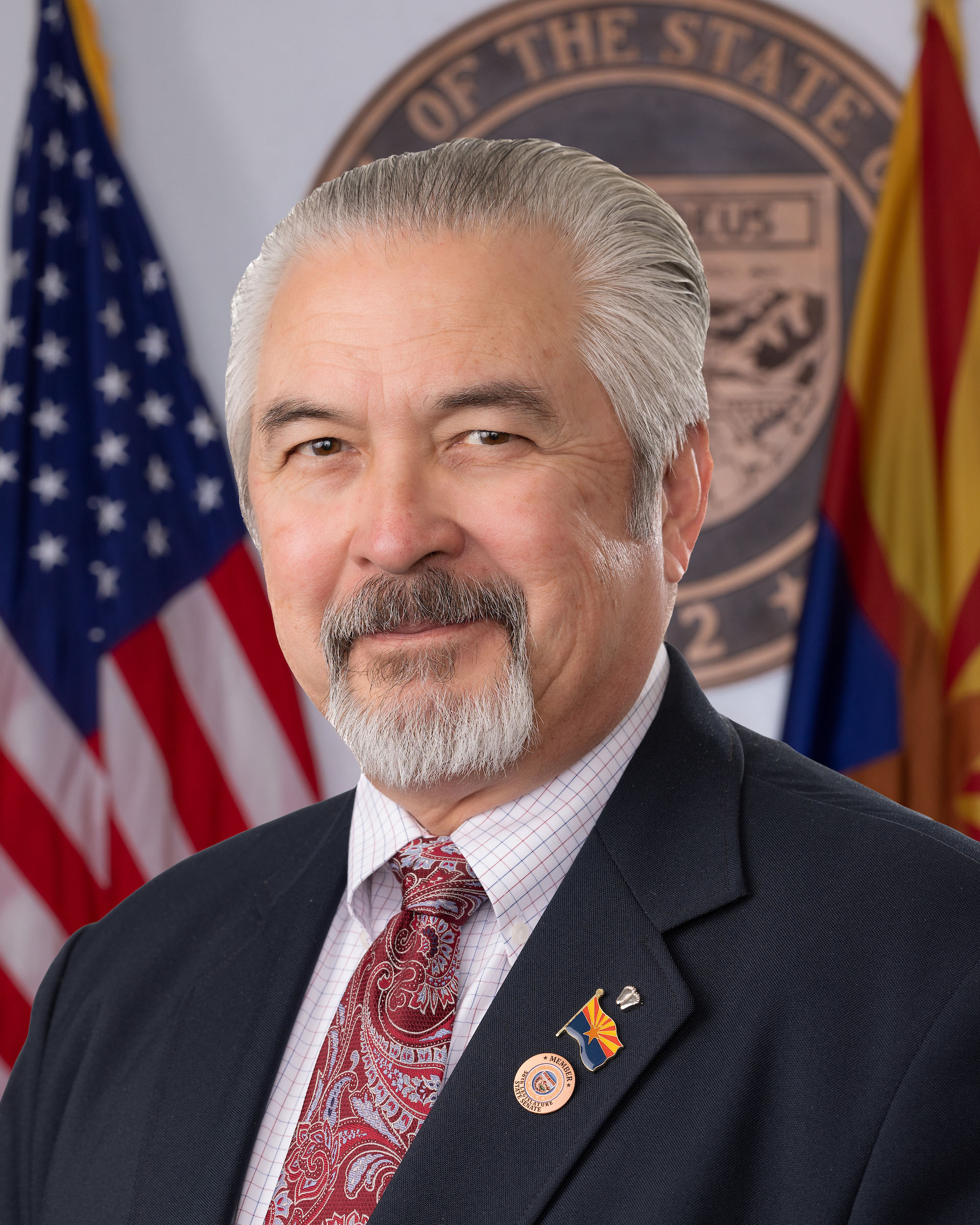
Sen. Frank Carroll
Sponsored bills
Maddy summaryThis Arizona law (HB 2114) changes how sexual acts with minors are classified and punished under state law. It creates stricter felony classifications based on the minor’s age and the offender’s circumstances: sexual conduct with a minor under 12 who suffers serious injury is now a life sentence with no parole, while acts with minors under 15 are class 2 felonies. For minors aged 15 or older, penalties range from class 6 (standard) to class 4 (if offender is over 20) or class 2 (if offender was in a position of trust, with no probation or early release allowed). The law directly affects individuals convicted of sexual acts with minors, imposing mandatory jail time in some cases and eliminating eligibility for early release in the most severe scenarios. The bill was signed into law in April 2025.
Maddy summaryThis is a symbolic resolution (not a law) passed by Arizona lawmakers expressing support for the Palo Verde Generating Station nuclear power plant and nuclear energy. It highlights Palo Verde's role as Arizona's largest clean energy source, economic contributor ($2.3 billion impact), and employer (3,000+ jobs), while noting public support for nuclear power. The resolution has no legal effect but formally endorses continued nuclear energy use and directs the Secretary of State to send copies to federal officials. It does not create new policies, funding, or regulations.
Maddy summaryHB 2115 makes it illegal to observe a nude minor solely for the purpose of sexual gratification, classifying this as a class 2 felony. The law directly affects individuals who engage in this conduct, applying to all minors regardless of age. This amendment to Arizona law (Section 13-3553) specifically adds "observing a nude minor for sexual gratification" as a new prohibited act under sexual exploitation of a minor charges.
Maddy summarySB 1142 prohibits foreign corporations, persons, or foreign nongovernmental entities from contributing money or in-kind goods/services to influence Arizona ballot measure elections. It directly affects campaign committees, entities, and individuals filing campaign finance reports under Arizona law. The bill requires these filers to certify under penalty of perjury that they haven't accepted such foreign contributions. Tribal nations are explicitly exempt from these provisions, as stated in Section C of the bill.
Maddy summarySB 1130 appropriates $1,000,000 from Arizona's state general fund for fiscal year 2025-2026 to the Department of Economic Security. This funding directly supports the "older individuals who are blind program," which provides assistance to older Arizonans who are blind. The bill creates a dedicated funding source for this specific state program without altering eligibility or service requirements. It passed the legislature on February 27, 2025, and is now moving through the House.
Maddy summarySB 1312 creates a state-funded program to help people transitioning from county jails back into communities. It provides $20 million in grants to Arizona counties (excluding Maricopa and Pima) to establish coordinated reentry planning services in jails, connecting individuals with treatment, housing, and other support services early in the justice process. Key requirements include creating a cross-system database to track recidivism and service engagement, forming collaborative planning committees with law enforcement, courts, and service providers, and submitting annual reports on participant risks (like homelessness or lack of healthcare) and repeat offenses. Counties must demonstrate program implementation within two years of receiving funds, including dedicated staff and data-sharing agreements.
Maddy summarySB 1542 amends Arizona's personal property exemption law to protect more assets from creditors. Key changes include increasing the $5,000 personal property exemption (for items like cash in accounts) to adjust annually for inflation starting in 2024, adding new exemptions for retirement plan assets (like 401(k)s) and college savings plans (529 plans), and creating a new exemption for prepaid rent/security deposits up to $2,000 for renters. These changes directly affect Arizona debtors, particularly those with retirement savings, college funds, or rental security deposits. The bill expands existing protections for child support payments and disability insurance proceeds while clarifying that exemptions do not cover unpaid child support debts.
Maddy summaryHB 2167 requires Arizona school districts to maintain a uniform system of financial records. If a district fails to comply within 90 days of notice, the state may withhold up to 10% of its state funds until corrected. After 18 months of noncompliance, the state can impose monthly civil penalties equal to 1% of the district's budget, with funds deposited into a school financial transparency fund. This bill directly affects all public school districts in Arizona by establishing clear financial accountability measures and consequences for noncompliance.
Maddy summarySB 1311 creates a new "West Valley Charity Special Plate" for Arizona vehicle owners. To implement this, a person must pay $32,000 to the state department upfront, then vehicle owners pay a $25 annual fee ($17 of which is donated to the West Valley Charity Special Plate Fund). The department issues the plates after design approval, and the fund receives all $17 annual donations from plate fees. This program affects Arizona drivers who choose this specialty plate, with the charity fund supporting West Valley community initiatives.