

Maddy summaryThis bill proposes to declare drug cartels as terrorist organizations within Arizona state law. It directs the Department of Homeland Security to take all actions within its authority to address the threat posed by these groups. The legislation defines a drug cartel as an association involved in human smuggling, drug trafficking for profit, or acts of terrorism, and defines a threat as anything harming individual rights or public safety. If approved by voters, this change would formally categorize drug cartels alongside terrorist organizations for legal and enforcement purposes.
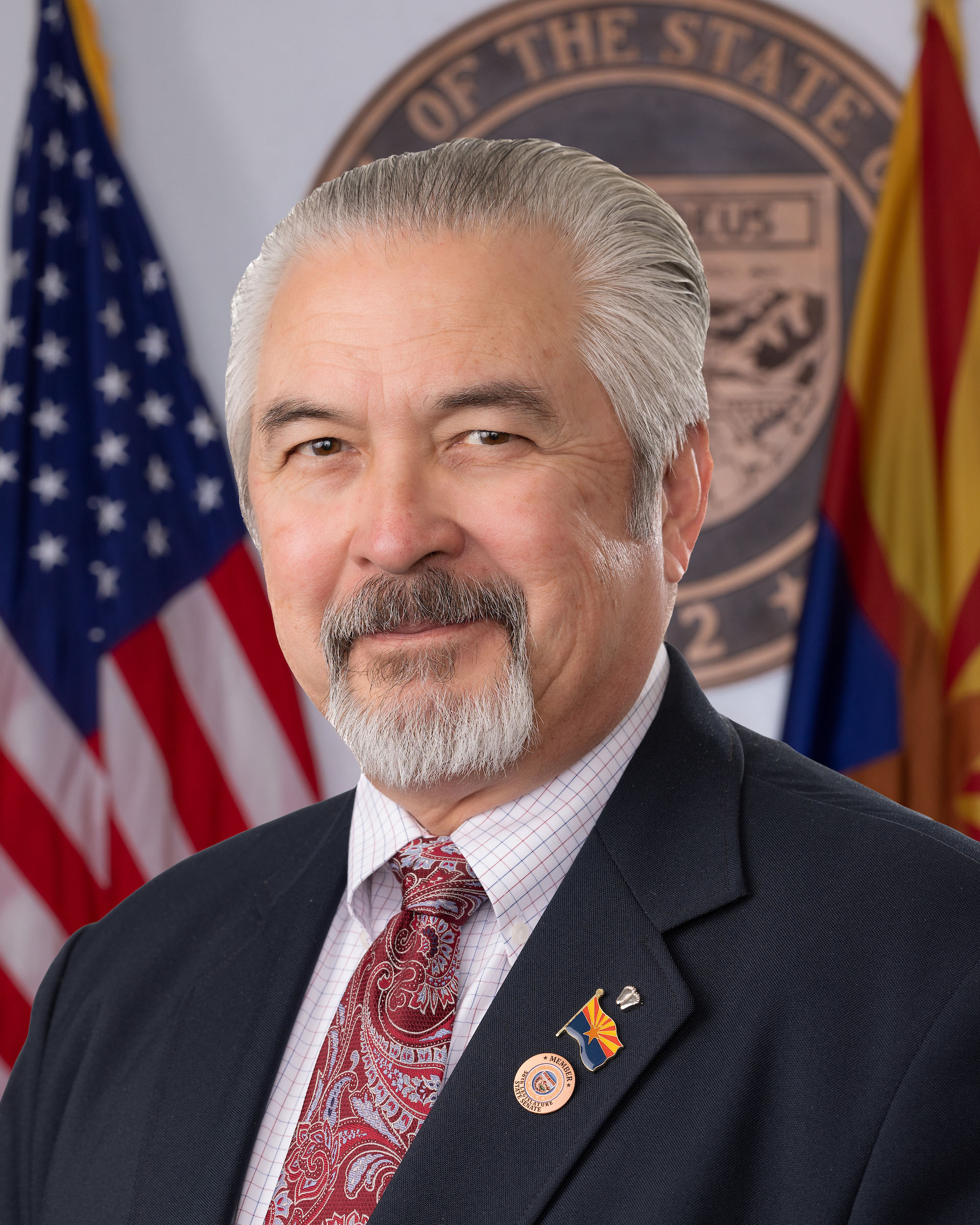
Sen. Frank Carroll
Sponsored bills
Maddy summaryThis bill creates a new pathway for physicians licensed in specific international countries to obtain provisional medical licenses in Arizona. To qualify, doctors must have worked in their home country for at least five years, hold valid federal immigration status, and secure a job offer in a county with fewer than one million residents. The provisional license requires annual renewal, mandatory supervision by a fully licensed Arizona physician, and adherence to continuing education rules. After four years of successful practice without disciplinary action and a positive recommendation from their supervisor, the license can automatically convert to a full license. The legislation also allows employers to require competency tests and mandates that the medical board be notified immediately if a doctor leaves their job.
Maddy summaryThis bill updates Arizona laws to strictly prohibit "patient brokering," which involves paying or receiving kickbacks to refer people to sober living homes or substance use treatment facilities. It defines sober living homes as supervised, drug-free housing that supports recovery without providing on-site medical services or medication administration. The legislation requires these homes to obtain state licenses and adhere to specific standards, such as maintaining a safe environment, managing finances properly, and ensuring residents have access to necessary medications. Additionally, the bill mandates that operators cannot require residents to sign documents that would cause them to lose public assistance benefits.
Maddy summaryThis bill establishes specific dates for holding local elections in Arizona, including those for bond measures, to consolidate voting on a limited number of days. It mandates that most local elections, such as those for schools and special districts, occur on the second Tuesday in March, the third Tuesday in May, or the first Tuesday after the first Monday in November. The legislation also requires that bond election orders be published or posted at least fifteen to thirty days before the vote and sets a threshold of sixty percent voter approval for issuing tax-secured bonds. Additionally, the bill clarifies that bond election expenses must be paid from current operating funds rather than the bond proceeds themselves.
Maddy summaryArizona Senate Bill 1052 amends state law to update and clarify the definitions of various vehicles and related terms within the transportation code. The bill specifically revises the definition of an "all-terrain vehicle" by setting precise criteria for width, weight, tire count, and safety features to distinguish between different types of off-road machines. Additionally, the legislation introduces new definitions for modern transportation concepts, including electric bicycles, autonomous vehicles, and automated driving systems, to ensure legal clarity as technology evolves. By standardizing these terms, the bill affects vehicle manufacturers, dealers, law enforcement, and the general public who operate or regulate these machines on public roads.
Maddy summaryThis bill allocates $1,000,000 from the state general fund to the Department of Economic Security for the Older Individuals Who Are Blind program in fiscal year 2024-2025. The funding is intended to support services for Arizona residents who are both elderly and visually impaired. Once signed into law, the money becomes available to help administer the existing program without creating new eligibility requirements or changing current benefit structures.
Maddy summaryThis Arizona bill prohibits individuals from creating or distributing deceptive deepfake videos or audio of election candidates and political parties within 90 days of an election unless they include a clear disclosure that the content was generated by artificial intelligence. The law applies to anyone using digital tools to make these fake images or recordings but excludes news organizations, websites, and creators of satire or parody from the ban. Violators face criminal penalties ranging from a misdemeanor to a felony, depending on whether they have prior convictions or intended to cause violence.
Maddy summaryArizona Senate Bill 1336 would have made it a crime to intentionally share deepfake videos or images that realistically show a person's intimate body parts or sexual acts without their consent. The bill defined specific conditions for the offense, including requirements that the creator knew the person did not agree to the content and that the individual was identifiable. Penalties were set as a class 6 felony, but could be upgraded to a class 4 felony if the act caused financial loss, involved profit-seeking, occurred on a website, or included intent to harass. The legislation also included a provision stating that interactive computer services would not be held liable for content created by others. Although the bill passed both chambers of the Arizona Legislature, it was vetoed by the Governor and did not become law.