

Maddy summarySB 1146 establishes rules for photo enforcement systems that automatically capture images of vehicles speeding (11+ mph above the limit) or running red lights. It directly affects motor vehicle owners (who receive fines for violations captured by the system) and local governments (cities/counties that must adopt specific ordinances before using the systems). Key provisions require advance warning signs, limit fines to $350 (doubling in school/work zones), prohibit capturing faces in images, and mandate that notices be mailed within 30-60 days of the violation. The bill also bans revenue-based compensation for system operators and requires systems to undergo monthly performance logs and annual calibration checks.
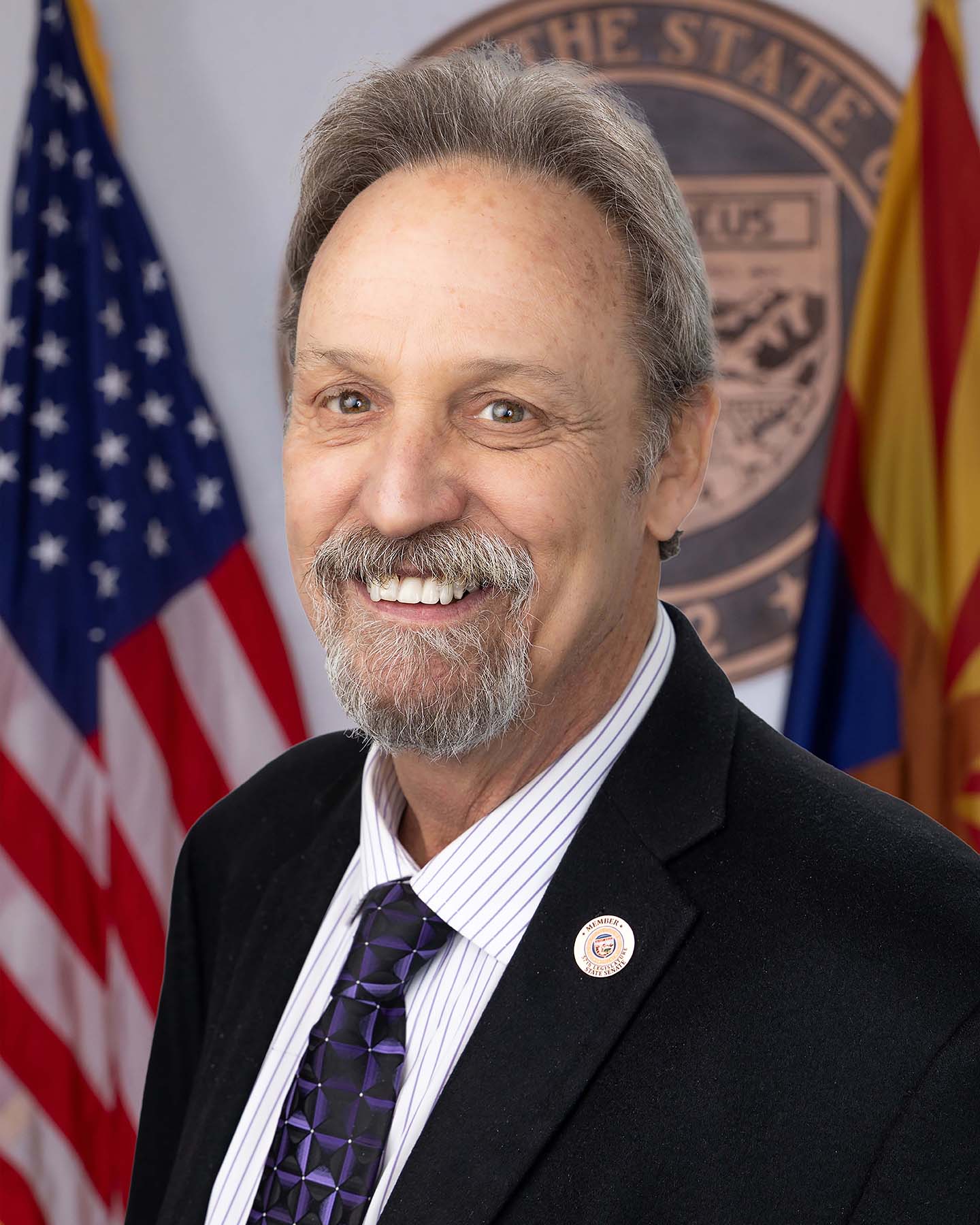
Sen. Kevin Payne
Sponsored bills
Maddy summarySB 1127 regulates private towing companies in Arizona by allowing cities and towns (not counties) to set maximum towing rates for vehicles towed from private property within their boundaries. Property owners must post clear, standardized signs detailing parking rules, towing costs, and how to retrieve vehicles, with specific size, content, and placement requirements. Towing companies cannot tow without the property owner’s written consent or a police request, must provide itemized receipts, and cannot charge more than the set rate - overcharges require reimbursement. Violations may result in fines, and towing companies face double damages for intentional violations of the law.
Maddy summaryHB 2276 requires Arizona state agencies to submit proposed rules expected to increase regulatory costs for businesses by more than $100,000 within five years for review by the Office of Economic Opportunity. If the cost exceeds $500,000, the rule cannot take effect until the legislature passes separate legislation approving it. Agencies cannot finalize such rules without this legislative approval, and if the legislature doesn't act during the session, the proposed rule must be terminated. This directly affects state agencies creating new rules and businesses subject to those rules, adding a legislative review step for high-cost regulations.
Maddy summarySB 1131 clarifies that draft working papers and draft audit files created during state audits are not public records while an audit is ongoing. This technical amendment ensures that preliminary audit materials remain confidential until the final audit report is issued, after which they become public. The bill directly affects the state audit department and agencies under audit by defining the confidentiality period for draft documents.
Maddy summaryThis bill establishes a regulatory framework for psychedelic-assisted therapy centers in Arizona, allowing licensed facilities to provide psilocybin services under specific supervision rules. It creates an advisory board with representatives from healthcare, law enforcement, Native American tribes, and mental health professionals to oversee training, set safety guidelines, and monitor federal policies. The legislation also sets up a dedicated fund to support clinical trials and requires centers to offer extensive training for staff administering these services. Although the bill passed the legislature, it was vetoed by the Governor and did not become law.
Maddy summaryThis bill proposes a referendum to ban foreign governments and non-governmental sources from donating money or services to Arizona election administration or ballot measure campaigns. It requires vendors and service providers to submit sworn certifications confirming they have not accepted such foreign contributions, with annual updates and quarterly reporting to the Secretary of State. Violations of these rules could result in the invalidation of contracts, misdemeanor charges, and civil lawsuits allowing private citizens to seek damages and injunctions. The legislation explicitly excludes federally recognized sovereign tribal nations from the definition of foreign sources.
Maddy summaryThis bill proposes to declare drug cartels as terrorist organizations within Arizona state law. It directs the Department of Homeland Security to take all actions within its authority to address the threat posed by these groups. The legislation defines a drug cartel as an association involved in human smuggling, drug trafficking for profit, or acts of terrorism, and defines a threat as anything harming individual rights or public safety. If approved by voters, this change would formally categorize drug cartels alongside terrorist organizations for legal and enforcement purposes.
Maddy summaryThis bill corrects the text of an existing Arizona statute regarding death benefits for state retirement plan members. It clarifies that if a member dies without a payable pension, their accumulated contributions will be refunded to a designated person or their estate. The amendment also specifies how child pensions are calculated and distributed, ensuring payments go to guardians for minors or those with disabilities until the child turns eighteen or the disability ends. These changes aim to provide clearer instructions for handling refunds and survivor benefits without altering the underlying financial rules.
Maddy summaryThis bill corrects a technical error in Arizona Revised Statutes Section 28-1326 regarding the rules for blood alcohol testing. It clarifies that the Department of Public Safety director must approve testing methods and issue permits to analysts who can accurately measure blood alcohol levels. The amendment also specifies that the director may revoke an analyst's permit if they fail to follow established testing rules or demonstrate an inability to perform accurate analyses. This change directly affects the state's regulatory framework for forensic blood testing and the certification of laboratory analysts.
Maddy summaryThis bill prevents Arizona cities and counties from banning residents from keeping chickens in their backyards if they live on a lot of one-half acre or less. While local governments cannot issue outright bans, they are allowed to set specific rules such as prohibiting roosters, requiring enclosures to be at least fifteen feet from neighbors, and mandating regular cleaning and proper storage of feed and manure. The law also states that these rights are a statewide concern, meaning local laws that contradict these provisions are invalid. Ultimately, the legislation ensures that homeowners in qualifying properties can keep domestic chickens unless they follow the permitted local regulations.