

Maddy summarySB 1263 is a technical correction to Arizona Revised Statutes Section 9-476, fixing a capitalization error in the requirement that "THE MAP OR PLAT SHALL BE filed" with the county recorder after corrections to municipal plats. It does not change any substantive process or requirements for platting. The bill affects municipal land development filings in Arizona by updating the statutory language to correct a typographical error. This is a purely procedural amendment with no policy impact.
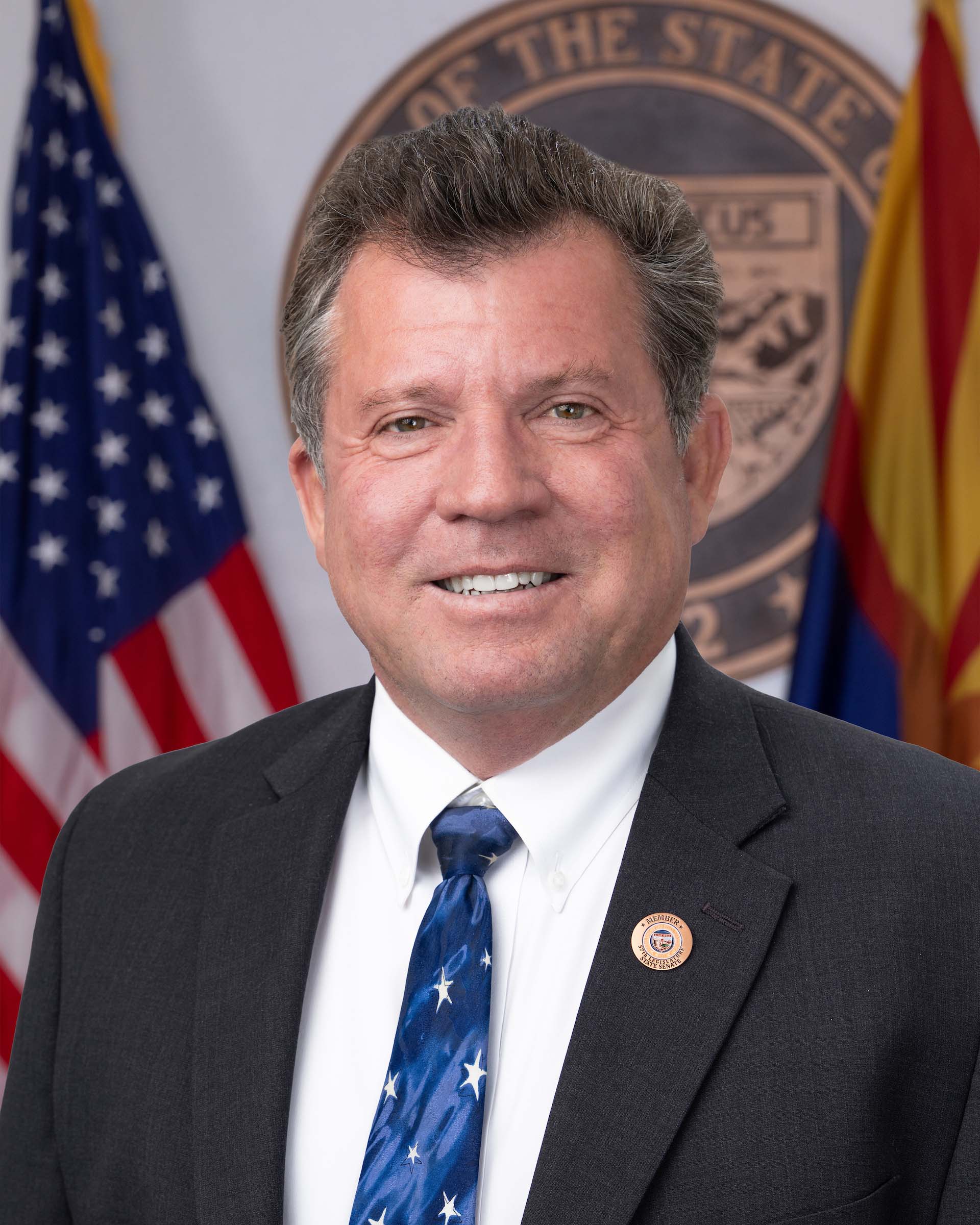
Sen. Tim Dunn
Sponsored bills
Maddy summaryThis bill would have amended Arizona election law to change how counties establish polling places and manage voting locations. It required counties to set precinct boundaries by October 1 before elections, with specific rules for combining precincts or using voting centers where any voter can cast a ballot with ID. The bill also mandated that public schools provide space for polling places unless a principal denies it for safety or space reasons, and created procedures for emergency voting centers during elections. It directly affected county election officials, public schools, and voters across Arizona.
Maddy summarySB 1630 establishes a study committee to examine issues affecting Arizona inmates aged 55+ who are aging within the state correctional system. The committee, composed of legislative members, corrections and healthcare officials, and community representatives (including a former inmate or family member), will research release programs, healthcare access, and transitions to long-term care. It must develop recommendations for a step-by-step release plan and a healthcare roadmap, submitting a final report to state leaders by December 31, 2025. This is a procedural bill creating a study body - not a policy change - and directly affects aging incarcerated individuals in Arizona.
Maddy summarySB 1654 requires all live bird markets in Arizona to register with the state veterinarian, replacing any local regulations by counties, cities, or towns. The bill makes regulating live bird markets a statewide concern, preventing local governments from creating their own rules. This directly affects live bird market operators who must now comply with state registration requirements. The key provision is the state preemption of local oversight and the mandatory registration process.
Maddy summarySB 1524 amends Arizona's residential contractors' recovery fund to double the maximum individual claim amount from $30,000 to $60,000 and increase the per-contractor license cap from $200,000 to $400,000. It directly affects homeowners who paid contractors for residential work but didn’t receive completed services (e.g., deposits with no work performed), and residential contractors whose licenses face automatic suspension if the fund pays claims against them. Key provisions include: capping refunds for unpaid deposits at $60,000 (including 10% annual interest), requiring claims to be paid pro-rata if total claims exceed $400,000 per contractor, and mandating license suspension until repayment is made. The bill ensures the fund covers actual repair costs for residential properties only, excluding commercial damage and attorney fees.
Maddy summaryThis bill is a technical correction to Arizona law, ensuring that legal actions or violations occurring before January 1, 1955, remain valid even if the laws they were based on are later repealed. It prevents past insurance-related cases or penalties from being invalidated by new legislation. The amendment applies broadly to all legal matters, not just insurance, and maintains continuity for ongoing cases without changing current policy. This is a procedural adjustment with no new substantive requirements.
Maddy summarySB 1605 amends Arizona's retail tax statute (ARS 42-5061) to add a new exemption for tangible personal property sold to qualifying hospitals and health care organizations. This exemption applies to property used solely for providing health and medical educational and charitable services. The bill's title mentions "firearm storage devices," but the provided text contains no provisions related to firearms or storage devices. The bill is currently pending in the Senate following first and second readings.
Maddy summarySB 1519 is a technical correction to Arizona law that clarifies water exchanges completed before September 30, 1992, remain valid even if they were not enrolled under the water exchange contract system. The amendment to Section 45-1022 of the Arizona Revised Statutes explicitly states that enrollment requirements for future contracts do not invalidate prior transactions. This directly affects water rights holders who conducted exchanges before the effective date, ensuring legal certainty for existing agreements. The bill does not change current or future water exchange procedures, only resolving potential retroactive invalidation concerns.
Maddy summarySB 1629 allows Arizona prison directors to release inmates with terminal illnesses or conditions requiring end-of-life care to state-contracted nursing care facilities. It applies only to inmates who are so debilitated they pose no danger to themselves or others, excluding those convicted of first-degree murder. The bill requires prison officials to periodically review medical records to confirm ongoing eligibility, and if an inmate no longer meets criteria, they must be returned to custody. This policy change directly affects terminally ill inmates in Arizona prisons who qualify under these specific medical and safety conditions.
Maddy summarySB 1113 grants public service corporations and public power entities in Arizona the right of first refusal to build, own, or maintain renewable energy projects (like solar or wind farms) when a county approves a zoning permit. These entities must notify the Commission (for public service corporations) or the county (for public power entities) within 90 days of the permit approval to claim this right; failure to notify forfeits the right to others. The bill specifically excludes residential rooftop solar systems and small on-site renewable projects not connected to the grid. This policy directly affects utility companies and public power entities seeking to develop larger renewable energy infrastructure in Arizona.