

Maddy summaryHB 2282 requires Arizona's occupational licensing agencies to create pathways for obtaining licenses through approved apprenticeship programs. It mandates that applicants must complete a U.S. Department of Labor-approved or Arizona Department of Economic Security-approved apprenticeship program - either at a state-licensed school or under an approved trainer holding the same license - and pass any required exam. The bill specifically prohibits licensing exams from favoring applicants from apprenticeship programs over those from vocational schools. This directly affects workers seeking licenses in regulated fields (like construction or healthcare) and the state agencies that issue those licenses.
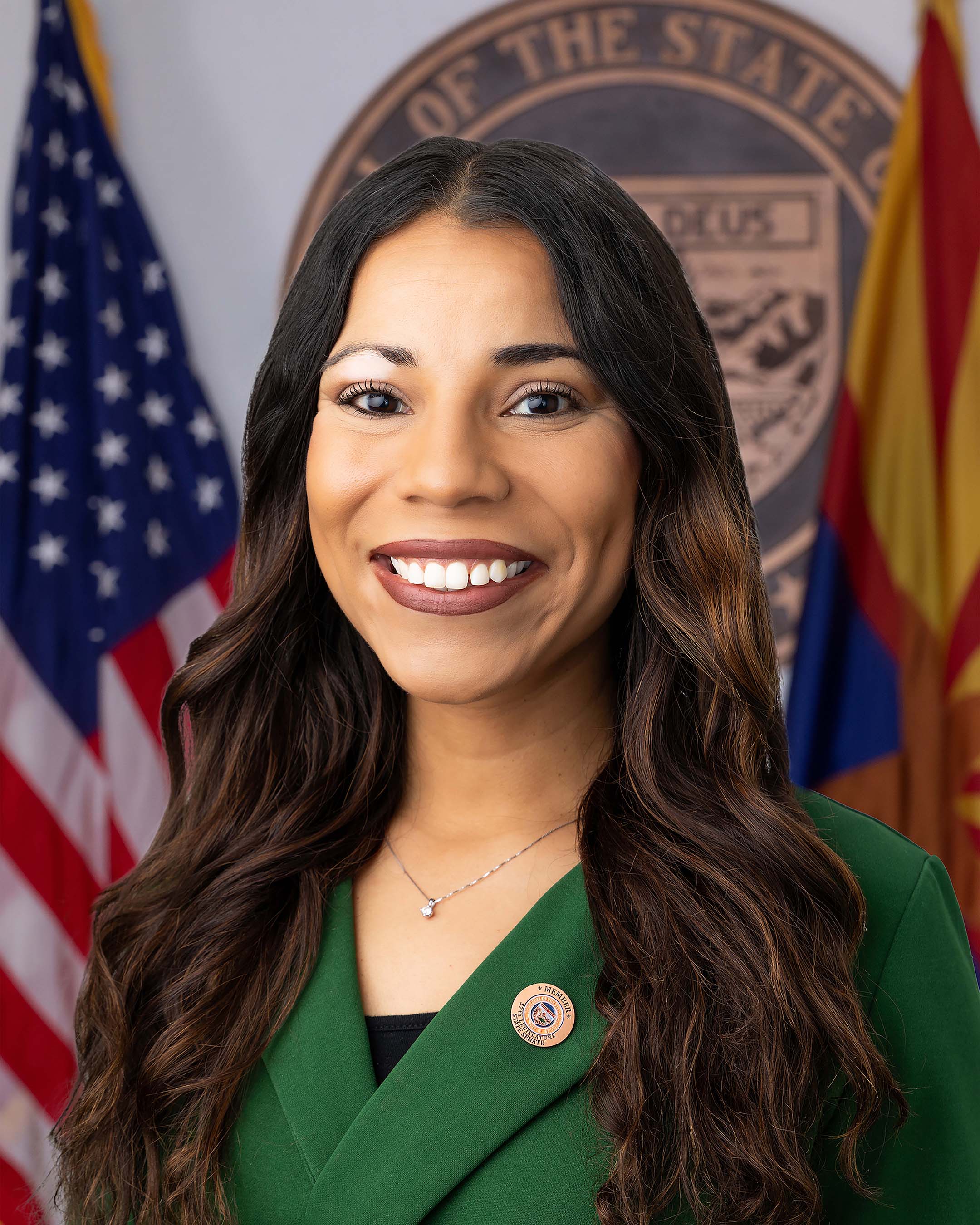
Sen. Analise Ortiz
Sponsored bills
Maddy summaryHB 2359 prohibits healthcare professionals from providing conversion therapy to minors under 18, defining conversion therapy as any practice seeking to change a minor's sexual orientation or gender identity. The bill exempts clergy acting in a pastoral role and parents who are healthcare professionals acting as parents, not professionals. It also bans state and federal funds from being used for conversion therapy for minors, including through grants, contracts, or health benefits coverage. The law directly affects licensed therapists, state agencies, and entities receiving public funds by restricting both clinical services and financial support for this practice.
Maddy summaryHB 2509 restricts how regulated utilities (like electric and gas companies) can spend money paid by customers. It bans using ratepayer funds for political activities (including lobbying, campaign contributions, and political action committees), charitable giving, advertising, executive perks (like travel and gifts), and non-essential expenses such as litigation over regulations. The bill directly affects public service corporations regulated by Arizona's Corporation Commission and their parent companies or subsidiaries. Key provisions require these entities to stop using customer money for any political influence efforts or non-regulated business costs, and they must report any lobbying activities.
Maddy summarySB 1043 creates a state fund to finance homeless shelter and services by appropriating money for grants. It requires cities and towns with more than 75 homeless individuals (based on the 2024 point-in-time count) to provide at least one shelter bed per four homeless people and establish a judicial diversion program for homelessness or mental illness. The fund will award grants to counties, cities, tribes, and nonprofits to increase shelter beds, improve services like behavioral health treatment and substance use programs, and support heat respite efforts. Grantees must provide matching funds, avoid policies that hinder public camping enforcement, and report detailed data on service outcomes and participant demographics.
Maddy summaryThis bill creates a new process for religious institutions to build affordable housing on land they already own without needing special permits or rezoning. It allows these developments to exceed current height and density limits while automatically requiring that a significant portion of the units be reserved for low- and moderate-income households. The law also sets specific rules for parking, commercial uses, and deed restrictions to ensure the housing remains affordable for decades. By streamlining approval, the measure aims to help churches build more housing quickly while maintaining strict income requirements for residents.
Maddy summarySB 1018 amends state law to update how the Arizona State Board of Equalization calculates spending limits for school districts and other political subdivisions. The bill requires the commission to determine these limits annually based on population growth and changes in the GDP price deflator, which measures inflation. It also provides specific formulas for setting limits in new cities, towns, or counties that are created or divided. By adjusting these calculations, the legislation ensures that spending caps reflect current economic conditions and demographic shifts rather than fixed historical figures.
Maddy summaryThis Arizona bill mandates that cities with over 75,000 residents must allow homeowners to build attached and detached accessory dwelling units on their property. It sets specific rules for these units, such as limiting their size to 75% of the main home's area or 1,000 square feet, and requires them to be permitted without needing special approvals. The law also restricts local governments from imposing certain conditions, such as demanding familial relationships between owners and tenants, requiring extra parking, or forcing units to match the exterior design of the primary home. Additionally, the bill preempts local control over vacation rentals by prohibiting cities from banning them entirely, though it allows for basic health, safety, and zoning regulations.
Maddy summaryThis Arizona bill requires cities with at least 75,000 residents to allow duplexes, triplexes, fourplexes, and townhomes in specific areas by January 1, 2026. Local governments must permit these middle housing types on all single-family lots near downtown areas and on at least 20% of new developments covering more than 10 contiguous acres. The law also prevents cities from imposing stricter rules on these housing types than those applied to single-family homes, such as requiring owner occupancy or excessive parking. Municipalities that fail to update their zoning regulations by the deadline must automatically allow middle housing on all single-family lots without limitations. Several exceptions exist for unincorporated areas, regions lacking water and sewer services, and lands near airports.