

Maddy summarySB 1695 repeals Section 15-911 and amends Section 15-1285 to exempt school districts and career technical education districts from Arizona's budgetary and spending limits on certain state funds. Specifically, funds received by these districts under a designated chapter are no longer subject to the state's usual expenditure caps, allowing them to use these resources without being constrained by typical budget restrictions. This change directly affects school districts across Arizona by increasing their financial flexibility in managing state funding. The bill also includes minor amendments to unrelated statutes but focuses primarily on easing budgetary constraints for school districts.
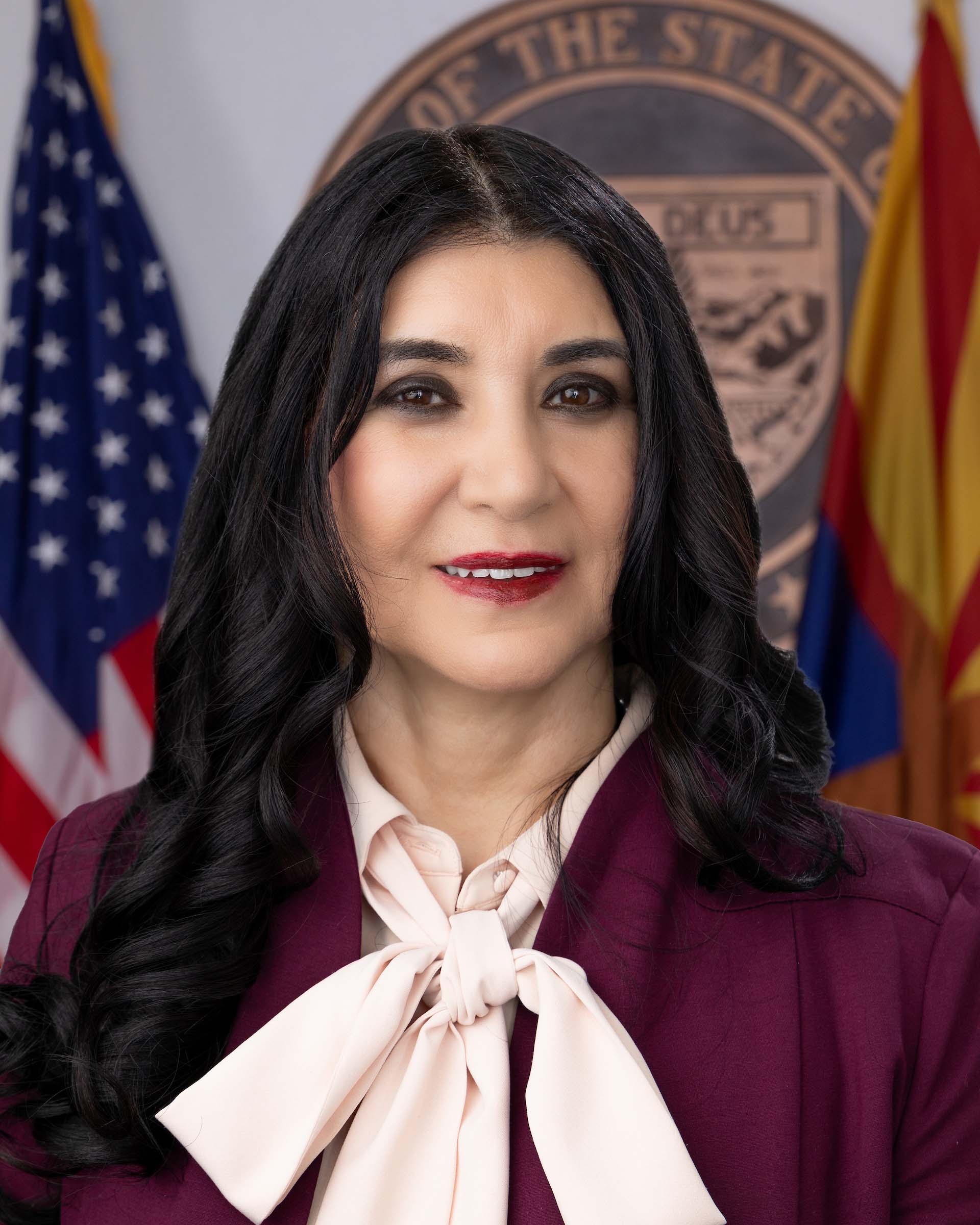
Sen. Eva Diaz
Sponsored bills
Maddy summarySB 1715 is a definitional amendment to Arizona's real estate statutes, updating terms like "acting in concert," "address of record," "advertising," and "common promotional plan" within Section 32-2101. It clarifies terminology used by real estate professionals, including brokers, salespersons, developers, and cemetery brokers, to standardize regulatory language. The bill does not introduce new policy requirements or alter substantive rules but ensures consistent application of existing regulations. It directly affects real estate licensees and entities operating under Arizona's real estate chapter by defining key concepts for compliance purposes. This is a procedural clarification, not a substantive policy change, as shown by its focus on statutory definitions.
Maddy summaryThis bill updates Arizona's formula for calculating annual spending limits for school districts and other local governments subject to constitutional expenditure restrictions. It requires the state commission to determine each district's limit based on 1979-1980 spending levels, adjusted for population changes (including annexed areas) and inflation using GDP price deflators. The key mechanism calculates a new limit each year by comparing current population to 1978 population and applying inflation adjustments to the baseline spending. This directly affects all Arizona school districts and municipalities operating under the state's expenditure limitation rules.
Maddy summarySB 1704 expands Arizona's Empowerment Scholarship Account (ESA) program to specifically allow funds to cover education-related expenses for children with disabilities meeting certain criteria. It directly affects qualifying students with disabilities by permitting ESA funds to pay for services like licensed educational therapies, paraprofessionals, assistive technology, vocational training, and specialized evaluations. Key provisions include defining eligible expenses (such as therapy costs, assistive devices, and vocational education) and requiring annual education plans for students nearing age 22 to continue receiving funds. The bill does not change general ESA rules but adds targeted support for disability-related educational needs.
Maddy summarySB 1702 establishes Arizona Empowerment Scholarship Accounts to provide education funding for K-12 students. Parents must agree to use account funds only for specific eligible expenses like tuition at qualified schools, textbooks, educational therapies for students with certain needs, tutoring, online programs, and approved educational technology. The bill restricts using scholarship funds concurrently with school tuition organization scholarships and requires students to withdraw from public schools before enrollment. It also adds reporting requirements for independent evaluation teams reviewing eligibility for students nearing age 22. This policy directly affects Arizona families using these scholarship accounts and sets clear spending rules for the state-funded program.
Maddy summarySB 1701 clarifies rules for Arizona's Attorney General's office regarding hiring outside counsel and handling legal fees. It specifically outlines conditions under which assistant attorneys general may provide free legal services (pro bono) to individuals or nonprofits, requiring off-hours work, no compensation, and no conflicts with state duties. The bill also permits fixed-fee hiring for specific cases and allows contingency fees (capped at $50/hour) in antitrust enforcement cases, with recovered funds deposited into state or local accounts as specified. This affects the Attorney General's office staff, their ability to engage in outside legal work, and how fees are handled in state enforcement actions. The changes are procedural clarifications with no substantive policy shifts, as stated in the bill's legislative intent.
Maddy summarySB 1782 requires Arizona's child welfare agency (the Department of Child Safety) to notify law enforcement and specific databases within 24 hours when a child in state care or under court supervision goes missing, is abducted, or runs away. It mandates reporting to the National Center for Missing and Exploited Children, contacting family members, caregivers, and school staff, and sharing detailed information (like photos, clothing, and last locations) with media and social media within 48 hours. The bill also requires ongoing weekly updates to law enforcement, age-progression images for children missing over two years, and staff training on search protocols. This directly affects children in foster care or under court supervision, their families, law enforcement, and the National Center for Missing and Exploited Children.
Maddy summarySB 1703 requires Arizona's Department of Education to provide parents with a clear written notice of legal rights they waive when enrolling a child in an Empowerment Scholarship Account (ESA) program. It mandates annual random reviews of ESA accounts to verify compliance with program rules and establishes a 15-day period for parents to correct issues before an account can be suspended. The bill also creates a formal appeals process to the State Board of Education for parents challenging administrative decisions about their ESA account, requiring the department to post this process online. These changes strengthen oversight while clarifying parental responsibilities in the ESA program.
Maddy summarySB 1700 requires verified fingerprints for educators and tutoring staff in Arizona schools. It mandates that new teachers, charter school staff, and contracted tutors submit fingerprint cards processed through the Department of Public Safety (DPS), including identity verification using photo ID. The law creates a digital fingerprint system to avoid duplicate submissions for renewals, allowing DPS to reuse existing verified prints unless they're damaged or lost. It excludes teacher candidates in approved programs without field experience in Arizona.
Maddy summaryArizona's SB 1705 establishes new class size limits for public schools, requiring all schools to adopt policies by the 2031-2032 school year. It sets specific average and maximum class sizes: K-3 (18/21), 4-8 (22/27), 9-12 (25/30), and Career Technical Education (20/25), with exceptions for music classes and waiver requests. The bill also creates a dedicated "classroom site fund" to finance these changes, requiring school districts to use funds for class size reduction, teacher compensation (including performance-based components), teacher development, and dropout prevention. These policies directly affect all Arizona public schools and their funding allocations starting in 2031-2032.