

Maddy summarySB 1388 repeals a specific provision in Arizona law (Title 49, chapter 1, article 6) that previously prohibited certain greenhouse gas programs. This bill removes a legal restriction affecting how greenhouse gas programs can operate within Arizona. The repeal would allow state agencies or programs to implement greenhouse gas initiatives without the prior prohibition. The bill is currently in early legislative stages, having passed its first two readings in the Senate on February 3-4, 2025.
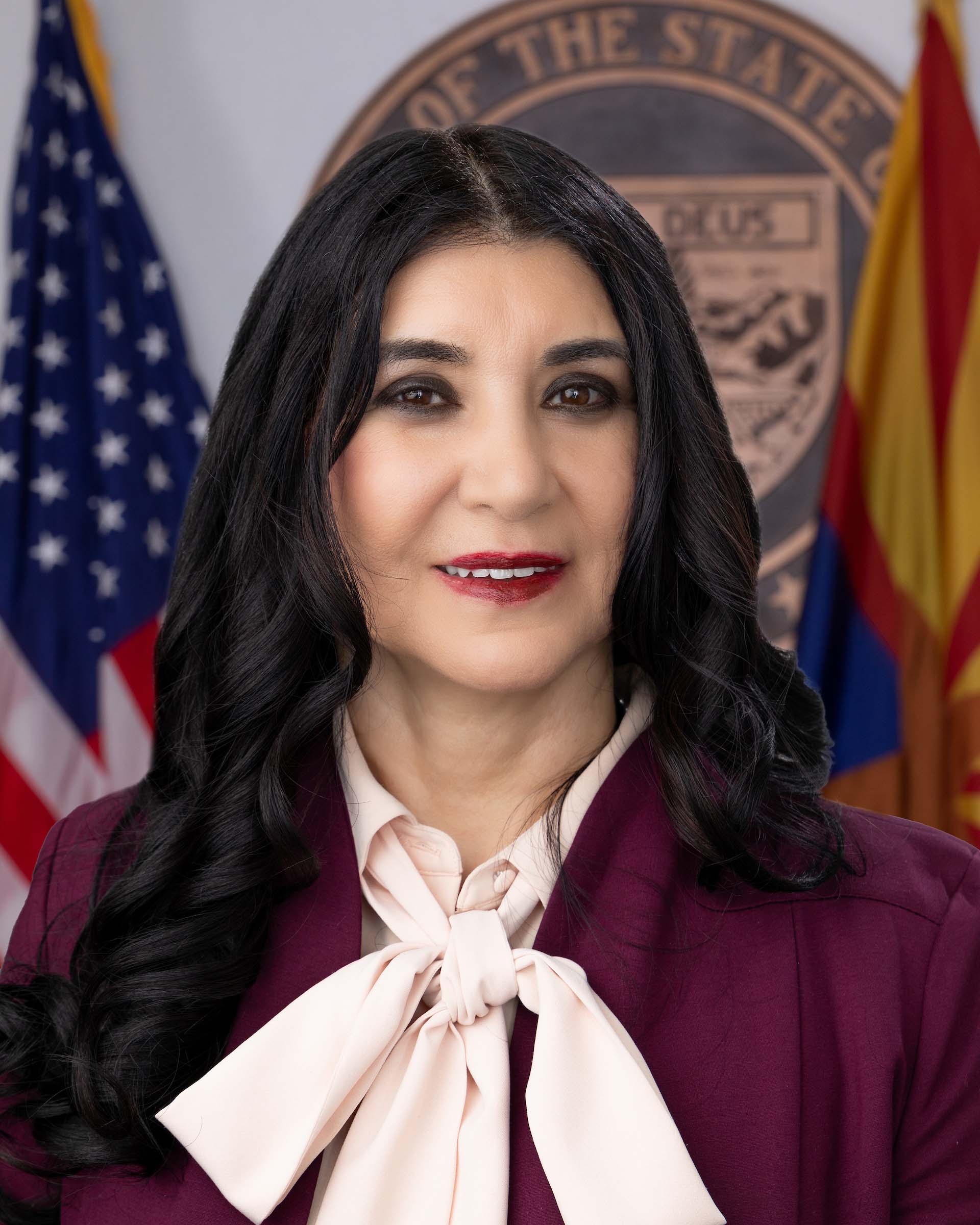
Sen. Eva Diaz
Sponsored bills
Maddy summarySB 1391 amends Arizona's environmental statute to strengthen the Department of Environmental Quality's role in protecting water resources. It specifically adds a duty for the department to "promote and coordinate the protection and enhancement of the quality of water resources" as part of its core responsibilities. This procedural update clarifies the department's authority to develop policies and coordinate efforts for water quality, without establishing new pollutant limits or directly regulating specific entities. The bill focuses on the department's internal framework for addressing water protection, not on new standards or enforcement actions.
Maddy summarySB 1382, the "State Investment Accountability Act," requires employers with 50+ full-time equivalent employees (or those receiving state subsidies) to notify Arizona's Department of Economic Security 120 days before relocating outside the state or country. Employers who fail to comply face daily civil penalties of up to $10,000. The state will publish a semiannual list of relocating employers, making those businesses ineligible for state subsidies for five years and requiring them to repay unamortized subsidy value. The bill also prohibits state contractors from performing work related to state business outside Arizona, with a phased compliance deadline by November 2026.
Maddy summarySB 1327 requires Arizona's Auditor General to study the costs of online instruction programs and schools for fiscal years 2021-2024, including administration, technology, personnel, and curriculum expenses. The study must examine school finance formula funding per online student, recommend reporting improvements, and identify ways to reduce administrative burdens. The state appropriates $165,000 for this study in fiscal year 2025-2026, with the requirement expiring December 31, 2026. This bill directly affects online education programs, schools, and the Auditor General's office by mandating a cost analysis, not by changing online education policies.
Maddy summarySB 1385 requires Arizona public schools serving grades 6-12 to provide free tampons and sanitary napkins in all women's and gender-neutral restrooms. This directly affects students in those grades and school districts, which must distribute the products without charging students or families. The bill appropriates $2.5 million from the state general fund in fiscal year 2025-2026 to the Department of Education for distribution to schools. The law ensures access to feminine hygiene products without cost to students while specifying the types of products covered.
Maddy summarySB 1360 repeals several Arizona laws related to immigration enforcement and law enforcement funding mechanisms. It removes provisions that directed traffic fine assessments toward border security teams and modifies smuggling penalties (classifying human smuggling as a felony with enhanced penalties for minors or weapon use). The bill also repeals sections governing employer sanctions for hiring unauthorized workers and updates arrest procedures for immigration-related offenses. These changes directly affect law enforcement agencies, employers, and individuals involved in immigration-related violations.
Maddy summaryArizona's SB 1384 requires pediatric healthcare providers (doctors, nurse practitioners, physician assistants) to discuss gun safety measures with parents or guardians during well-baby and pediatric visits. The bill mandates the Department of Health Services to create and post a gun safety pamphlet on its website by January 2026, covering proper storage and child safety risks. This information may be shared verbally by providers or directed to the pamphlet. The bill directly affects parents and guardians of children receiving routine pediatric care in Arizona. It focuses on providing educational resources, not restricting gun ownership or access.
Maddy summarySB 1428 requires Arizona school districts to implement "Stop the Bleed" programs starting in the 2025-2026 school year, directly affecting schools, nurses, and students. It mandates schools to place at least one federally endorsed bleed control kit (containing tourniquets, bandages, gloves, and instructional materials) in accessible locations, include kits in safety plans, and inspect them annually. The state will fund the initiative with $180,000 for kit purchases and distribution through the Department of Health Services, with the program ending December 31, 2028. The bill focuses on equipping schools to manage severe bleeding emergencies through standardized first-aid resources and training.
Maddy summaryArizona is allocating $400,000 from the state general fund to help public schools plant low-VOC trees on campuses. The funding prioritizes schools where 75% or more of students qualify for free or reduced-price lunches under federal programs, targeting schools in high-poverty communities. Schools must use the funds by December 31, 2025, and may partner with nonprofits for tree planting. The bill specifies that leftover funds after this date will be distributed to other qualifying schools on a first-come basis.
Maddy summarySB 1430 repeals a law requiring abortion providers in Arizona to submit certain reports to the state. The bill removes this reporting obligation, directly affecting healthcare providers who previously had to comply with these requirements. It does not add new provisions or mechanisms; the sole action is eliminating the existing legal requirement under Arizona Revised Statutes Title 36, Chapter 20, Article 2. The bill is currently in early legislative stages (Senate First/Second Reading).