

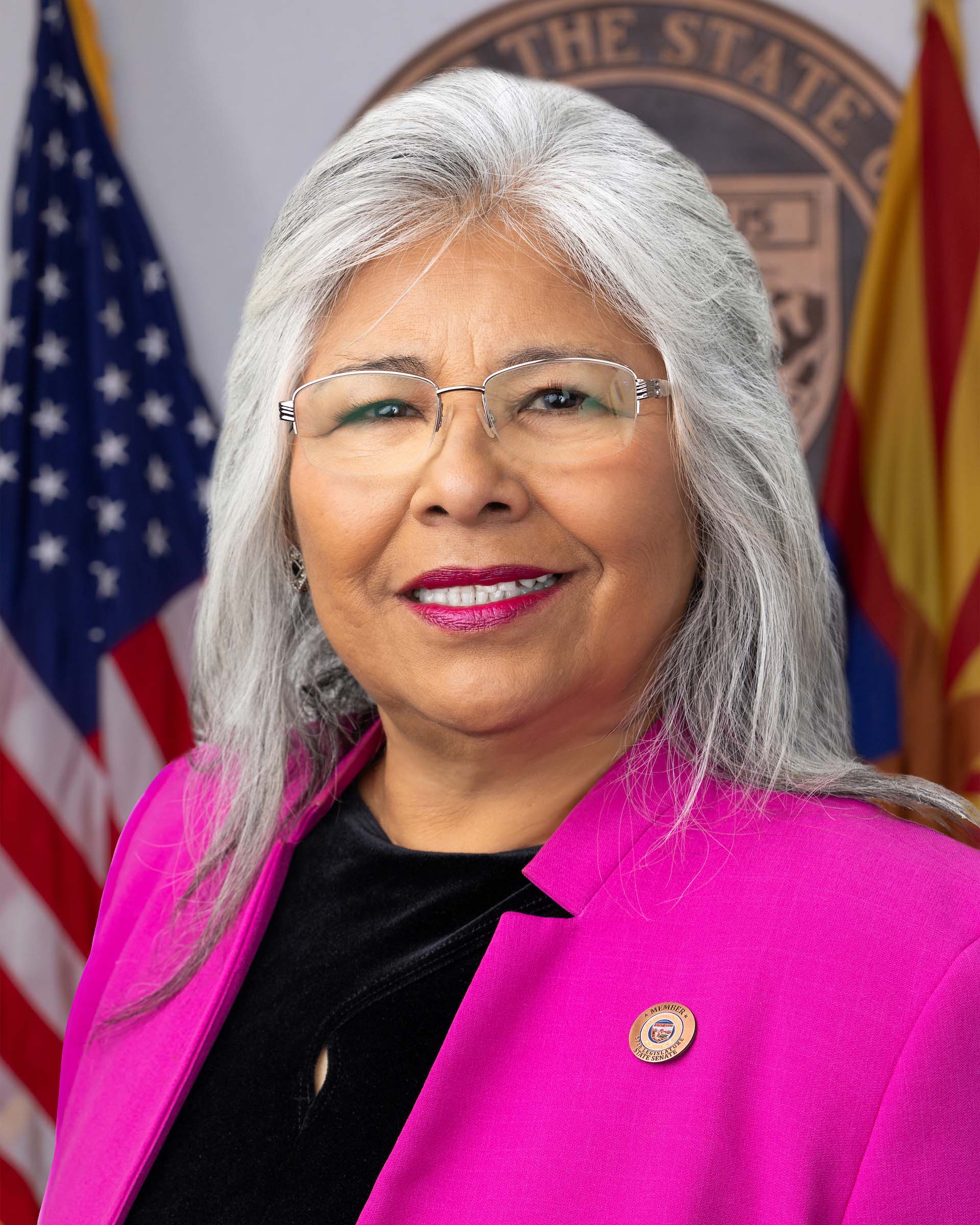
Maddy summarySB 1779 repeals Arizona’s mandatory inclusionary zoning requirement, which previously required municipalities to mandate affordable housing units in new residential developments. This repeal directly affects Arizona cities and developers by removing a legal obligation to include affordable housing in new construction projects. The bill amends zoning statutes to eliminate the specific provision (Section 9-461.16) that enforced this requirement, giving local governments discretion over whether to adopt such policies. The change shifts housing policy authority from state mandate to local decision-making without altering general zoning powers.
Sponsored bills
Maddy summarySB 1715 is a definitional amendment to Arizona's real estate statutes, updating terms like "acting in concert," "address of record," "advertising," and "common promotional plan" within Section 32-2101. It clarifies terminology used by real estate professionals, including brokers, salespersons, developers, and cemetery brokers, to standardize regulatory language. The bill does not introduce new policy requirements or alter substantive rules but ensures consistent application of existing regulations. It directly affects real estate licensees and entities operating under Arizona's real estate chapter by defining key concepts for compliance purposes. This is a procedural clarification, not a substantive policy change, as shown by its focus on statutory definitions.
Maddy summaryThis bill updates Arizona's formula for calculating annual spending limits for school districts and other local governments subject to constitutional expenditure restrictions. It requires the state commission to determine each district's limit based on 1979-1980 spending levels, adjusted for population changes (including annexed areas) and inflation using GDP price deflators. The key mechanism calculates a new limit each year by comparing current population to 1978 population and applying inflation adjustments to the baseline spending. This directly affects all Arizona school districts and municipalities operating under the state's expenditure limitation rules.
Maddy summarySB 1781 establishes Arizona's "Turquoise Alert" system to quickly notify the public about missing persons under age 65 with suspicious circumstances or immediate danger. It requires law enforcement agencies to meet specific criteria (e.g., using all local resources, confirming peril) before activating the alert, which must be issued immediately without administrative delays. The bill mandates regular training for all officers handling missing persons cases on the alert system's legal requirements and procedures, including biannual sessions for relevant staff. It also requires all law enforcement agencies (state, tribal, local) to synchronize their alert systems, including Turquoise Alerts and Amber Alerts, for coordinated public notifications.
Maddy summarySB 1704 expands Arizona's Empowerment Scholarship Account (ESA) program to specifically allow funds to cover education-related expenses for children with disabilities meeting certain criteria. It directly affects qualifying students with disabilities by permitting ESA funds to pay for services like licensed educational therapies, paraprofessionals, assistive technology, vocational training, and specialized evaluations. Key provisions include defining eligible expenses (such as therapy costs, assistive devices, and vocational education) and requiring annual education plans for students nearing age 22 to continue receiving funds. The bill does not change general ESA rules but adds targeted support for disability-related educational needs.
Maddy summarySB 1770 allows juveniles sentenced as adults to 25+ years for offenses committed before age 18 to become eligible for parole after serving 15 years. It requires parole hearings considering specific factors like the person’s age at the offense, rehabilitation efforts, family history, and diminished culpability of youth. The bill establishes a presumption in favor of release, which can only be overcome by evidence the individual remains a public safety risk. It also prohibits courts from imposing death, life without parole, or sentences totaling 25+ years for juvenile offenders. This applies to current and future juvenile offenders serving long sentences in Arizona.
Maddy summarySB 1769 requires licensed healthcare providers in Arizona to report specific adult immunization data to the state health department, directly affecting providers who administer vaccines to adults. Key provisions mandate reporting the adult patient's name, address, Social Security number (if not confidential), date of birth, vaccine type, and administration date, with submissions possible weekly or monthly. The bill strictly limits data sharing, allowing access only to authorized entities like healthcare providers, schools, or patients themselves via a signed confidentiality request form, and prohibits unauthorized disclosure. It includes confidentiality protections for the data and establishes penalties for noncompliance or improper sharing. This policy change creates a standardized reporting system for adult vaccination records while prioritizing patient privacy.
Maddy summarySB 1737 allocates $800,000 from Arizona's state general fund for fiscal year 2026-2027 to improve Navajo Route 8009. The funds will be distributed to the Navajo Division of Transportation for road maintenance work including grading, draining, graveling, and stabilizing the roadway. This bill directly affects the Navajo Nation's transportation infrastructure by providing dedicated funding for specific road repairs on Route 8009. The appropriation is exempt from standard state rules about unused funds expiring.
Maddy summarySB 1732 appropriates $3 million from Arizona's state general fund for fiscal year 2026-2027 to the Department of Transportation. This funding is specifically for the City of Page to design and construct a roundabout on South Lake Powell Boulevard. The bill directly affects the City of Page by providing state funds for this infrastructure project, with no broader policy changes beyond the allocated funding.
Maddy summaryArizona's SB 1780 modifies SNAP (food assistance) eligibility for individuals convicted of certain drug-related felonies. It allows people convicted after 1996 of a felony involving controlled substances to qualify for SNAP benefits if they complete substance abuse treatment, are enrolled in treatment, or comply with probation terms including drug testing. The bill requires random drug testing as a condition of eligibility and mandates more frequent testing for applicants whose offenses occurred within 24 months of applying. This change directly affects individuals with specific drug felony convictions seeking food assistance, altering their eligibility criteria under Arizona law.