

Maddy summaryThis Arizona bill requires employers with 50+ employees to grant up to 16 hours per school year for school conferences or activities involving an employee's child. Employees must have worked at least six months, exhausted other leave types (except sick leave), and work at least half-time to qualify. Employers aren't required to pay for this time off and may deny requests if over 5% of staff request it simultaneously. The law applies to all public and private K-12 schools in Arizona and covers biological, adopted, foster, and stepchildren.
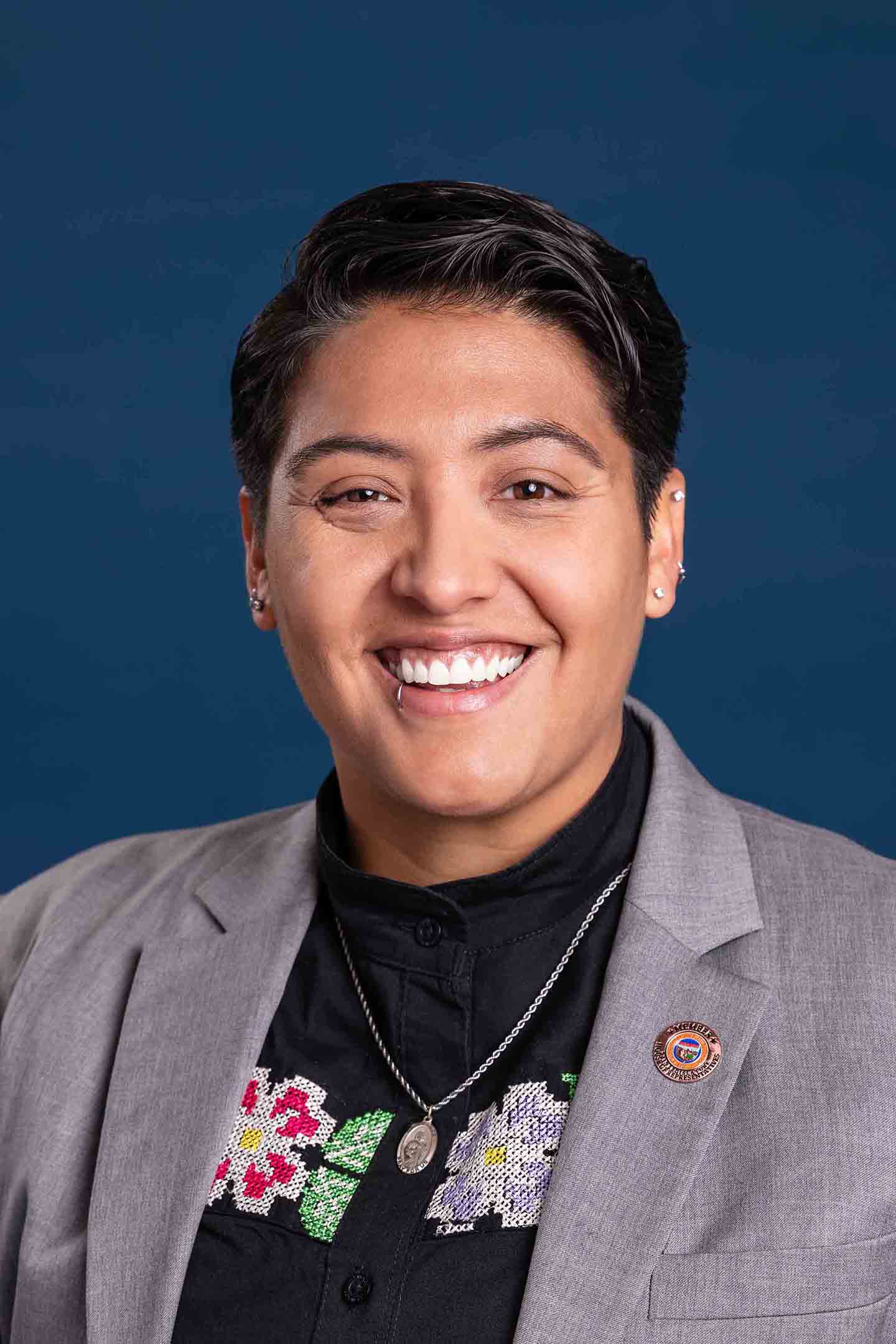
Rep. Lorena Austin
Sponsored bills
Maddy summaryHB 2476 sets aside $100 million from Arizona's general fund for the water conservation grant fund during fiscal year 2025-2026. This funding supports local projects that reduce water waste, such as upgrading infrastructure or promoting efficient irrigation practices. It directly benefits municipalities, water districts, and other entities applying for these grants under Arizona law. The bill provides concrete financial resources for water conservation initiatives without creating new regulations.
Maddy summaryHB 2495 amends Arizona law to establish standards for online schools and instruction. It requires new online schools to operate under probationary status for three years, demonstrating improved student academic performance before becoming permanent. The bill mandates daily time tracking for online students, sets specific curriculum and safety standards for online programs, and adjusts funding to 95% of base support for full-time online students (compared to traditional schools). These provisions directly affect Arizona online schools, their students, and school districts managing online enrollment. The bill does not relate to full-day kindergarten as the title suggests.
Maddy summaryArizona's HB 2647 requires landlords to offer tenants the optional chance to have their rental payments reported to credit bureaus. Landlords must provide a written offer at lease start and annually, disclosing that reporting is optional, including all payments (on time or late), any fee ($10 max or actual cost), and how to opt in or out. Tenants can stop reporting at any time but cannot restart for six months. Landlords may charge a fee for reporting, but nonpayment of this fee cannot be treated as rent nonpayment or affect security deposits.
Maddy summaryHB 2445 modifies Arizona's tax deed sale process to prioritize affordable housing. It allows counties, cities, towns, or special districts to purchase tax-deeded properties (land seized for unpaid taxes) for low-income housing projects, provided the housing meets HUD standards and includes a 30-year covenant requiring continued affordability. This directly affects local governments seeking to develop or acquire land for affordable housing, as it permits them to buy such properties without public auction and sell/lease them below market value while maintaining long-term affordability. The bill does not change tax collection or general sale procedures but creates a specific pathway for affordable housing development using tax-foreclosed land.
Maddy summaryHB 2444 repeals a specific outdated provision (Section 9-461.16) from Arizona's zoning code while amending Section 9-462.01 to clarify existing zoning regulations. The bill directly affects Arizona municipalities that use these zoning codes for land use planning, including regulations on residential development, historical districts, and age-restricted communities. It makes no new policy changes but updates the legal text to remove redundant language and streamline the process for municipalities to adopt zoning rules. This is a technical correction to the state's zoning statutes, not a substantive change to housing policy.
Maddy summaryHB 2586 creates a mobile communications platform for Arizona election workers, including poll workers, drivers, warehouse staff, and voter registration personnel. The bill requires the Secretary of State to establish this platform and deploy it in a pilot program across one or more counties, with counties potentially using it at reduced or no cost. It appropriates $200,000 from the state general fund for fiscal year 2025-2026 to support the pilot, which expires on December 31, 2026. The legislation directly affects election workers and local election offices participating in the pilot.
Maddy summaryThis Arizona bill (HB 2533) protects workers during public health emergencies by prohibiting employers from retaliating against workers who report safety concerns, wear recommended personal protective equipment (like masks), or oppose violations of the law. It bans employers from forcing non-disclosure agreements about workplace hazards and requires posting of worker rights notices. Violations can result in civil penalties of $100 per day, reinstatement, or back pay for affected workers. The law applies broadly to most workers, including those employed by large contracting entities and migrant laborers, during declared emergencies like pandemics.
Maddy summaryHB 2593 requires Arizona school districts to offer preschool educational programs for children with specific disabilities (including hearing, visual, developmental delays, or speech impairments) who reside within the district. Charter schools may choose to provide these programs. The bill mandates that districts evaluate children before admission and specifies that these preschoolers count as half a full-time student for funding purposes. It also directs the state board to distribute 10% of federal funds for preschool disability programs to school districts and charters that choose to participate. This bill directly affects preschool children with disabilities and school districts managing their educational services.
Maddy summaryHB 2504 amends Arizona statutes to standardize terminology and restrict immigration-related activities. It changes "legal resident alien" to "legal resident alien immigrant" in liquor licensing (Section 1), prohibits adoption of undocumented immigrants under age 21 (Section 2), and bans cities/counties from building work centers facilitating employment of undocumented immigrants (Sections 3-4). The bill also mandates state agencies to enforce federal immigration laws "to the full extent permitted" (Section 5). These changes directly affect liquor license applicants, adoption petitioners, and local governments constructing work centers.