

Maddy summaryHB 4090 amends Arizona's liquor licensing law to clarify requirements for issuing and transferring spirituous liquor licenses. It creates a rebuttable presumption that public convenience and community interest were established when an existing licensed location applies for a new license (unless challenged with evidence), and requires businesses to notify the state liquor director within 30 business days of any ownership or control change. The bill mandates a preinvestigation to verify qualifications for ownership transfers and allows local governments (cities, towns, or counties) to review applications and provide recommendations within 60 days. This affects bars, liquor stores, and other businesses holding spirituous liquor licenses, as well as local governments overseeing license applications.
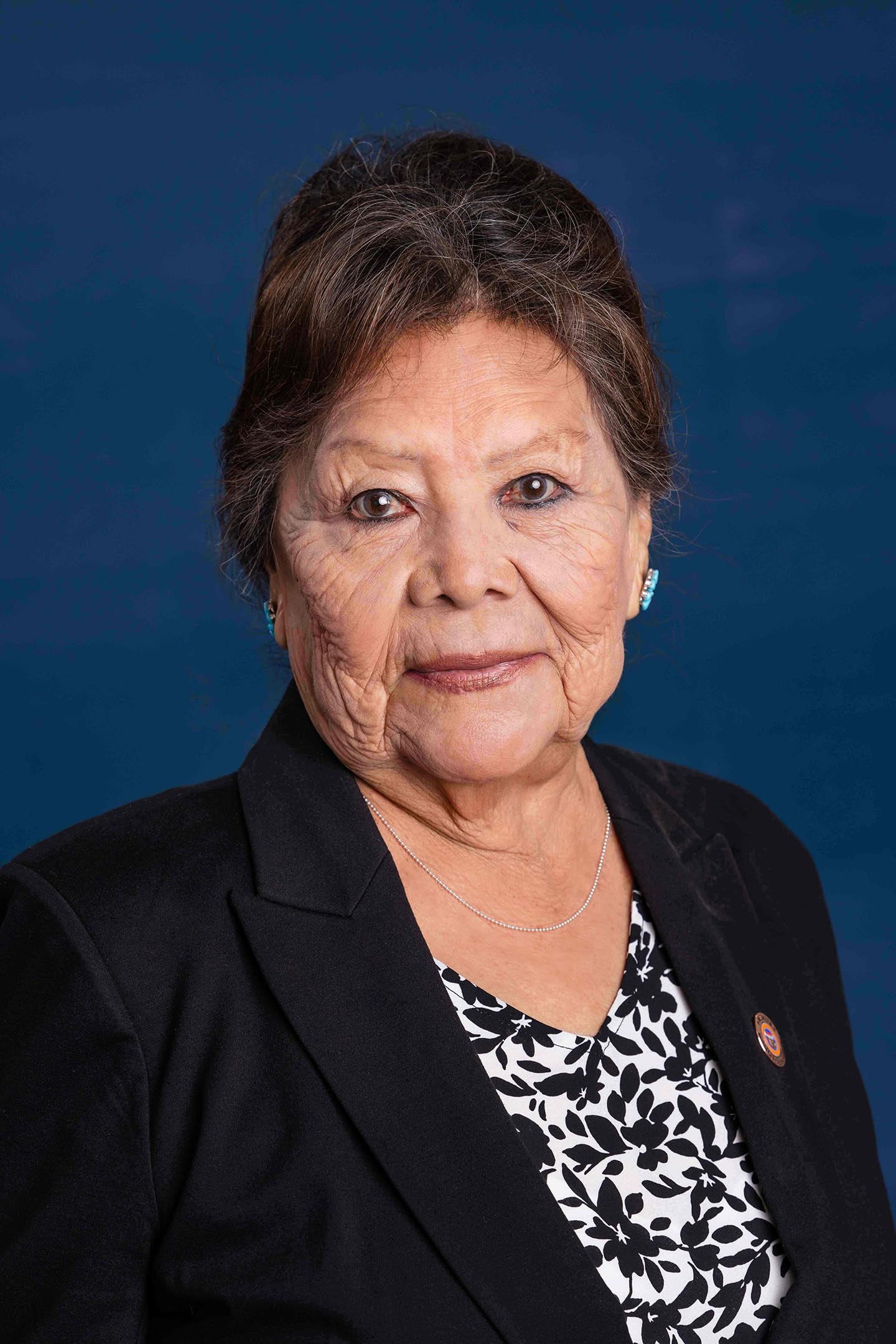
Rep. Mae Peshlakai
Sponsored bills
Maddy summaryHB 4072 requires tattoo artists and body piercing professionals in Arizona to register with the state board. The bill defines "tattoo artist" as someone who practices tattooing (placing ink under the skin) and "piercing professional" as someone who practices body piercing (making permanent skin holes). It establishes fees for registration, including a $100 initial application fee and a $100 renewal fee every two years. This requirement applies to anyone providing these services for compensation in Arizona.
Maddy summaryHB 4089 requires contractors working on Arizona state service contracts (covering retail, food, hotel, janitorial, and healthcare services) to offer jobs to employees of the previous contractor within 10 days of taking over. It mandates a 90-day transition period during which contractors must retain eligible workers based on seniority, provide written job offers with a 10-day response window, and maintain a hiring list for remaining positions. The bill bars contractors from retaliating against employees who report violations or help investigate compliance. It directly affects workers in covered service sectors who performed at least 12 months of qualifying work under the previous contract, excluding managers and airline staff.
Maddy summaryHB 4110 requires Arizona county sheriff's deputies, detention officers, and state correctional officers who interact with prisoners or inmates to complete mandatory training on serious mental illness. The training, developed or approved by the Arizona Health Care Cost Containment System mental health commissioner, must cover psychosis recognition, de-escalation strategies, emergency treatment procedures, and systemic factors contributing to mental illness in correctional settings. New hires must complete the training within six months, with refresher courses every two years, and agencies must maintain compliance records. This bill directly affects law enforcement personnel in county sheriff's offices and state correctional facilities.
Maddy summaryHB 4111 requires U.S. Immigration and Customs Enforcement (ICE) officers operating in Arizona to wear body-worn cameras during all public contacts, with limited exceptions (like avoiding unrelated personal information). It mandates that officers register their name and badge number with the state police and prohibits detaining individuals based solely on race, ethnicity, or national origin. Failure to activate cameras or tampering with footage creates a legal presumption of misconduct in civil investigations, with potential discipline up to termination. The bill directly affects ICE officers and the public they interact with, aiming to increase transparency in enforcement actions.
Maddy summaryHB 4055 allocates $10 million from Arizona's state general fund for fiscal year 2026-2027 to provide mental health counseling grants specifically for veterans with post-traumatic stress disorder (PTSD) in the state. Of this amount, $3 million must be distributed directly to federally recognized tribal nations within Arizona to support tribal veterans with PTSD seeking mental health services. The bill targets veterans who need counseling by funding direct grants through the Department of Veterans' Services. This is a funding measure focused on expanding access to mental health care for affected veterans, with a dedicated allocation for tribal veterans' programs.
Maddy summaryHB 4073 sets new requirements for gestational surrogacy agreements in Arizona. It mandates that surrogates and intended parents complete medical and mental health evaluations by specific licensed professionals, obtain independent legal counsel, and sign agreements transferring parental rights immediately at birth. The agreements must disclose financial responsibilities, confirm no parental claims by surrogates or their spouses, and include specific acknowledgments of parental duties. These provisions apply to all surrogacy arrangements where at least one party is an Arizona resident or the birth occurs in Arizona.
Maddy summaryHB 2579 appropriates $4.5 million from Arizona's state general fund for fiscal year 2026-2027 to the Department of Education to provide free school meals to children meeting federal income eligibility standards for free and reduced-price lunches. The bill directly affects qualifying Arizona students in public schools by expanding access to meals without cost to families. Key provisions include using state funds to cover meal costs for eligible children under existing federal nutrition program criteria and establishing the appropriation as ongoing funding for future years. This policy change modifies state funding allocation for school nutrition programs without altering federal eligibility rules.
Maddy summaryHB 4006, titled the "Right to Speak Your Truth Act," prohibits individuals accused of sexual misconduct, abuse, assault, harassment, or domestic violence from using defamation lawsuits to silence accusers or reporters. It specifically blocks defamation claims when the accused attempts to retaliate against someone who reported the incident or named the accused publicly. The bill allows defamation lawsuits only if the accuser's claim is factually impossible for the accused to have committed, the accuser was impeached in court over the same facts, the accuser made contradictory public statements, or the accuser publicly denied the incident occurred. This directly protects accusers, staff, and third parties reporting sexual offenses from being sued for speaking out.
Maddy summaryHB 4022 requires contractors bidding on Arizona public works projects to pay wages based on the federal Davis-Bacon Act rates, which are posted annually by the Arizona Industrial Commission on its website. It mandates that employers submit monthly payroll records to the Commission for compliance review and allows audits for violations, with penalties including fines or bidding restrictions. The bill also prohibits local governments and agencies from requiring higher wage rates or specific labor agreements (like project labor agreements) in public works contracts. This directly affects contractors and subcontractors working on state or local government construction, maintenance, or repair projects.