

Maddy summaryThis proposed constitutional amendment (HCR 2044) would prohibit Arizona state and local governments from granting preferential treatment or discrimination based on race, sex, color, ethnicity, or national origin in public employment, education, or contracting. It specifically bans requiring individuals to endorse race-based policies, spending public funds on offices promoting such policies, or implementing disciplinary actions based on race/ethnicity. The amendment directly affects public schools, universities, government agencies, and contractors operating under state authority. If approved by voters, it would become part of Arizona's Constitution, replacing existing antidiscrimination laws in these specific areas.
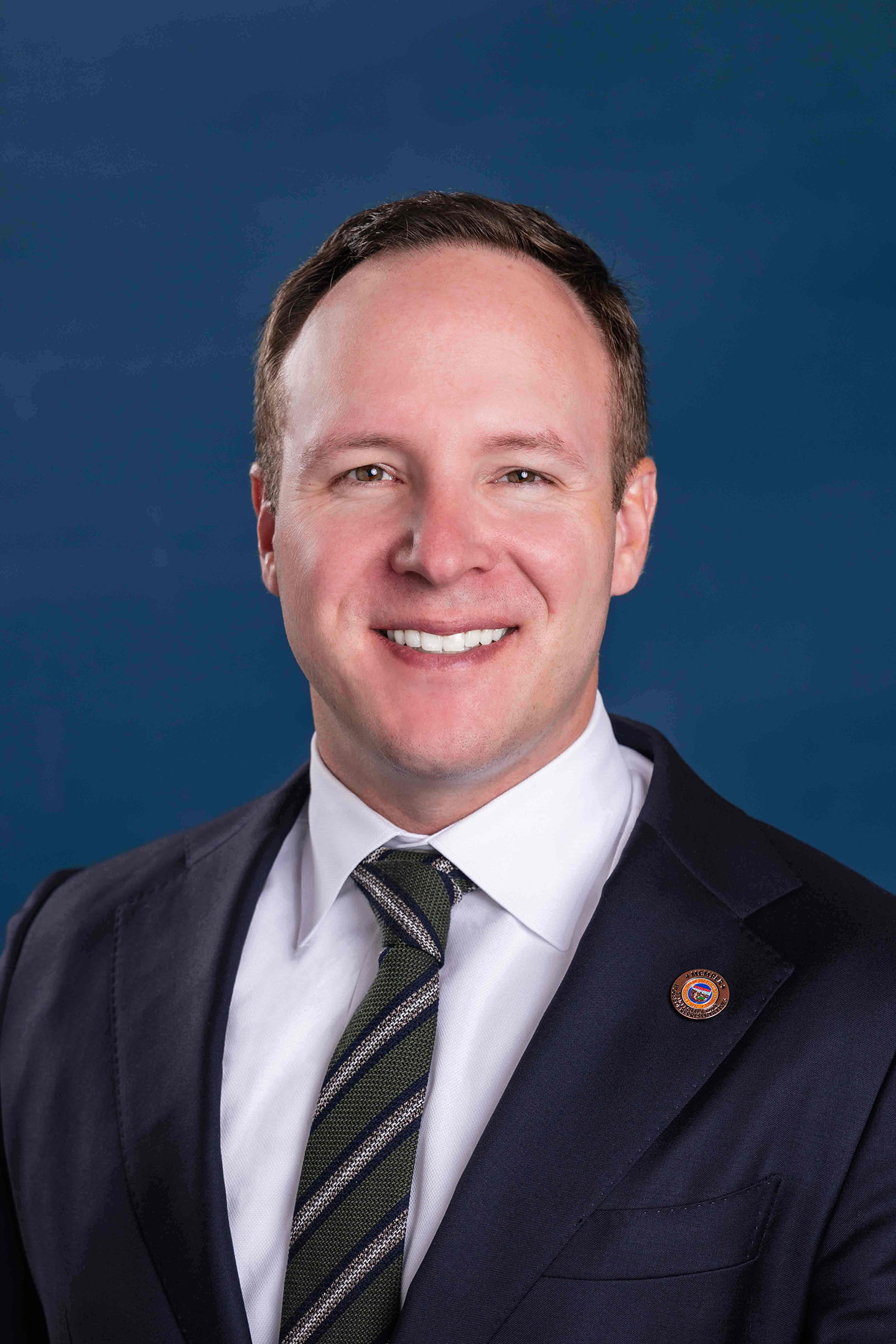
Rep. Matt Gress
Sponsored bills
Maddy summaryHB 2142 establishes a school safety program within Arizona’s Department of Education to fund safety personnel and resources for schools. It directly affects Arizona public school districts and charter schools, which can apply for up to three years of funding to cover costs for school resource officers, counselors, social workers, safety technology, training, or infrastructure improvements. School applications must include detailed safety assessments, building plans, and specific plans for implementing programs (like law-related education or counseling services), with requirements differing based on whether the funding supports personnel or alternative safety measures. The program is administered by the Department of Education’s School Safety Center, which reviews proposals using crime and academic data and verifies school submissions.
Maddy summaryHB 2676 allows individuals adjudicated delinquent as juveniles in Arizona to petition a court for restored firearm rights after meeting specific conditions. It directly affects people who were minors when convicted of certain offenses but not adults. The bill establishes two waiting periods: 25 years for those convicted of serious offenses like burglary or arson, or a two-year wait for other felonies after completing probation or court-ordered conditions. The process requires a court application with no filing fee, served to the county attorney, and is handled by juvenile court judges. This changes the legal pathway for juvenile offenders to regain firearm rights under defined circumstances.
Maddy summaryThis bill requires Arizona Department of Child Safety (DCS) caseworkers to photograph children involved in abuse or neglect investigations during every contact. The photos must be kept in the child's case file and reviewed by caseworkers when creating safety plans, specifically to assess any changes in the child's appearance or health. It applies directly to DCS workers and children under investigation for abuse or neglect. The law takes effect on December 31, 2026.
Maddy summarySB 1170 amends Arizona's drug sentencing laws to impose mandatory minimum prison terms for specific fentanyl offenses. It sets a 5- to 15-year minimum sentence for selling or possessing at least 200 grams of fentanyl (or 200 grams in a vehicle), increasing to 10- to 20 years for repeat offenders. The bill also creates a separate mandatory sentence for anyone convicted of selling fentanyl that causes a minor's death. These provisions directly affect individuals convicted of large-scale fentanyl sales or possession, removing probation eligibility and requiring minimum prison terms for these offenses.
Maddy summaryHB 2601 directs Arizona's transportation department to request federal approval to divide the Interstate 11 project into segments between the Arizona-Nevada border and Casa Grande. If approved, the department must then conduct a required environmental and engineering study for the non-litigated segment. The bill aims to advance construction planning for most of the corridor while bypassing a federal lawsuit challenging the southern portion, which the legislature states has delayed progress statewide. This action affects the state's transportation planning process and the specific I-11 corridor segment not involved in the ongoing litigation.
Maddy summaryHB 2423 requires Arizona school districts and charter schools to automatically enroll eligible 6th-8th graders in advanced math courses if available, based on specific criteria like top math assessment scores, A grades, or parental request. It mandates schools to notify parents about math deficiencies and enrollment decisions, provide support services (like tutoring), and report detailed enrollment data broken down by race, income, and gender. The bill directly affects students meeting proficiency standards, their parents (who can object), and school districts responsible for implementation. Schools must annually report participation rates, course availability, and student outcomes to the state education department for public posting.
Maddy summaryHB 2383 amends Arizona law to clarify how school districts can lease property, including for housing development under specific existing rules. It requires school districts to set annual fee schedules for leases, prohibits discrimination based on beliefs, and mandates proof of liability insurance for lessees. The bill specifies that housing development leases must comply with Section 15-342, paragraph 6 (not creating new housing authority), while preserving existing teacher housing and permanent teacherage fund provisions. Monies from leases must go to a "civic center school fund" for approved community uses, not general district funds. This affects all Arizona school districts managing property leases.
Maddy summaryHB 2621 ensures students in unorganized territories (areas without established school districts) and homeschoolers with disabilities can access special education services. It requires school districts contacted by parents to conduct screenings, evaluations, and provide a free public education if a child qualifies under federal law. The bill mandates that tribal early intervention programs notify school superintendents when children turn 30 months to begin transition planning, and assigns the closest school district to evaluate children by their third birthday. Homeschoolers with disabilities retain federal rights to evaluations and equitable services, while the state education department must investigate violations and publish annual reports.
Maddy summarySB 1172 requires Arizona's Department of Child Safety (DCS) to operate a centralized hotline for reporting suspected child abuse or neglect, mandating that all reports be recorded and cross-checked for prior incidents using state data systems. It directs DCS to use standardized tools to assess the severity of abuse/neglect, identify potential criminal conduct, and determine appropriate investigation priorities. For cases involving four or more reports against the same caregiver within 12 months, investigations must be assigned to specialists with at least two years of experience or advanced forensic training. Additionally, DCS must share hotline reports about children in active dependency court cases with the overseeing court. These changes aim to streamline response protocols and improve child safety outcomes.