

Maddy summaryHB 2493 amends Arizona's zoning laws to specifically protect land use for small modular reactor (SMR) manufacturing facilities, preventing local governments from restricting such facilities on five or more contiguous commercial acres. The bill's primary focus, however, is establishing new zoning districts for aggregate mining operations, requiring counties to create designated zones for mining activities with specific standards for dust control, noise, and land reclamation. It also creates recommendation committees composed of mining operators and local residents to advise county boards on mining zoning regulations. The bill directly affects counties, mining operators, and SMR manufacturers by limiting local regulatory authority over these specific land uses. (Note: The bill's title mentions SMRs, but the core provisions primarily address aggregate mining zoning.)
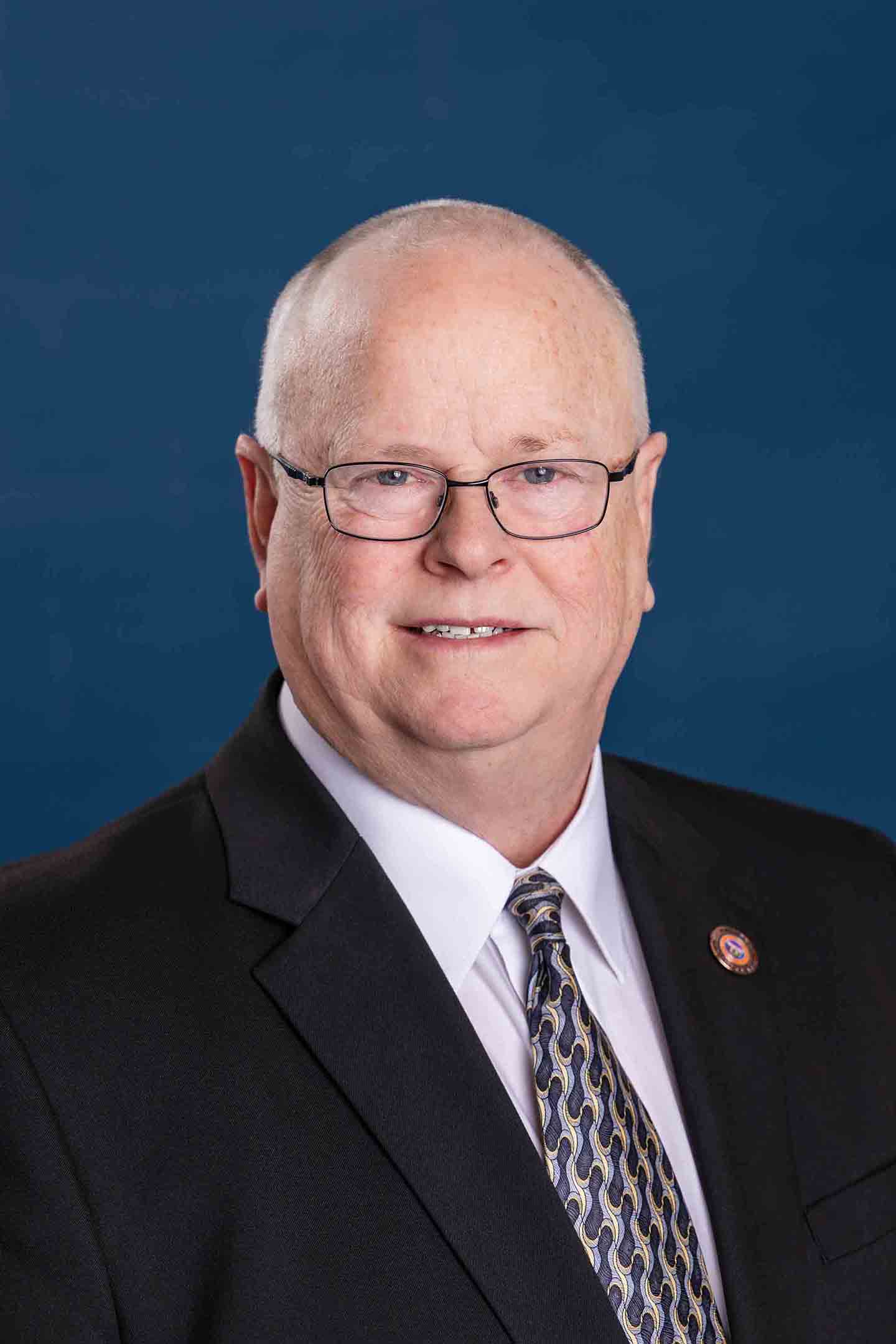
Rep. James Taylor
Sponsored bills
Maddy summaryHB 2810 prohibits public schools in Arizona from allowing abortion clinics or related entities to provide health education instruction, programs, or materials to students or staff. It specifically bans involvement by abortion providers (including clinics, their controlling entities, or franchised partners) in school health education. Schools failing to comply face potential withholding of state education funding after a 90-day correction period. The law directly affects public schools and their health education programs by restricting partnerships with abortion-related organizations.
Maddy summaryHCR 2017 is a proposed constitutional amendment that would create a new property tax exemption for Arizona residents aged 62 or older who own their primary residence without a mortgage and have lived there as their main home for at least two years. If approved by voters, this exemption would apply to tax years beginning after December 31, 2026. The amendment would specifically affect seniors meeting these criteria by eliminating property tax liability on their primary residence. This proposal requires voter approval and is not yet law, as it is currently in the early legislative review stages.
Maddy summaryHB 2394 amends Arizona's property tax code to create new deductions for contractors in the "prime contracting classification," primarily affecting construction businesses and manufactured building dealers. It allows contractors to exclude specific costs from their taxable base, including land sales (up to fair market value), groundwater monitoring equipment, unattached furniture/fixtures, military reuse zone projects (with qualification), environmental cleanup work, and machinery/equipment with "independent functional utility." To claim certain deductions (like military or environmental projects), contractors must obtain a pre-work letter of qualification from the Department of Revenue. This bill does not change tax rates for homeowners but adjusts taxable income for specific contractor activities. The title referencing "residential property" is misleading, as the changes apply to contractor tax calculations, not residential property owners.
Maddy summaryHB 2424 would allow Arizona political parties to permit proxy voting at their committee meetings under specific rules. It requires that state committee members grant proxies only to county voters, county committee members only to precinct voters, and in precincts with two or fewer committeemen, a committeeman may appoint a voter from an adjoining precinct to vote at county committee meetings. Proxies would be valid only for the duration of the meeting and must be notarized or witnessed by two people. This bill directly affects political party committee members and qualified voters who might serve as proxies.
Maddy summaryHB 2826 amends Arizona's tax code to expand tax deductions for prime contractors (construction businesses) by adding specific exemptions to their taxable income calculation. It directly affects contractors working on projects like environmental cleanup, groundwater monitoring devices (required under water law), and manufacturing facilities for environmental technology. Key provisions include deducting 65% of gross income for qualifying work, such as hazardous substance remediation, installation of irrigation-related groundwater devices, and construction of qualified environmental manufacturing facilities. The bill also creates a new deduction for machinery/equipment work with "independent functional utility," excluding real property modifications.
Maddy summaryHB 2316 allows Arizona middle schools (grades 6-8) to offer career technical education (CTE) courses that count toward both 8th-grade promotion and high school graduation. Schools must partner with approved CTE providers like community colleges or state-approved programs, and students must pass courses to earn credit. The bill requires schools to report course offerings and completions annually, with a final report due by 2029, and expires in 2037. It permits CTE districts to fund middle school CTE courses without raising property taxes but prohibits counting middle school students in district enrollment totals.
Maddy summaryHB 2216 creates a "trade pathways diploma program" for Arizona high school students pursuing construction, electrical, plumbing, mechanical, or utility-infrastructure careers. It requires the state board of education to establish the program by 2027, allowing students to earn graduation credits through career-technical courses, paid internships, registered apprenticeships, or community college classes - while limiting math/science requirements to two credits each. The bill mandates annual reporting on student participation, credentials earned, employer retention rates, and wages, with data submitted to state leaders starting in 2030. This directly affects high school students, school districts, community colleges, and employers offering work-based learning opportunities.
Maddy summaryHB 2215 requires Arizona public schools serving kindergarten through third grade to implement literacy support programs. By July 2027, each school must have at least one literacy coach or specialist trained in dyslexia support to assist teachers, observe instruction, and provide professional development. Schools must submit annual reading improvement plans using state reading funds, with priority funding for schools where over 10% of third graders lack sufficient reading skills. The state will track progress through annual reports showing reading proficiency data, program expenditures, and outcomes for K-3 students.
Maddy summaryHB 2724 allows public school principals to permit patriotic youth groups (defined as organizations serving under-21s with educational patriotism goals, like state affiliates of groups listed in specific U.S. Code sections) to address students during the first quarter of each school year. Principals must approve requests submitted within the first two weeks, and schools may accept materials from these groups for direct student distribution on school property. The bill prohibits schools from denying equal access or discriminating against such groups based on membership criteria or oaths of allegiance to God and country. It specifically applies to schools and eligible patriotic youth groups, creating a new requirement for school access during designated times.