

Maddy summaryHB 2898 amends two Arizona statutes to clarify how state funds are managed for the exposition and state fair and to adjust the distribution of lottery revenues. The bill establishes a permanent revolving fund for the fair board to handle immediate cash needs like change and event purchases, ensuring these funds do not lapse at the end of the fiscal year. It also sets specific limits on the fair's cash reserve, allowing up to $60,000 annually or $400,000 during the state fair period. Additionally, the legislation modifies the state lottery fund to prioritize debt service payments and mandates fixed annual allocations to various programs, including child safety, health education, and homeless shelters, with adjustments based on economic changes.
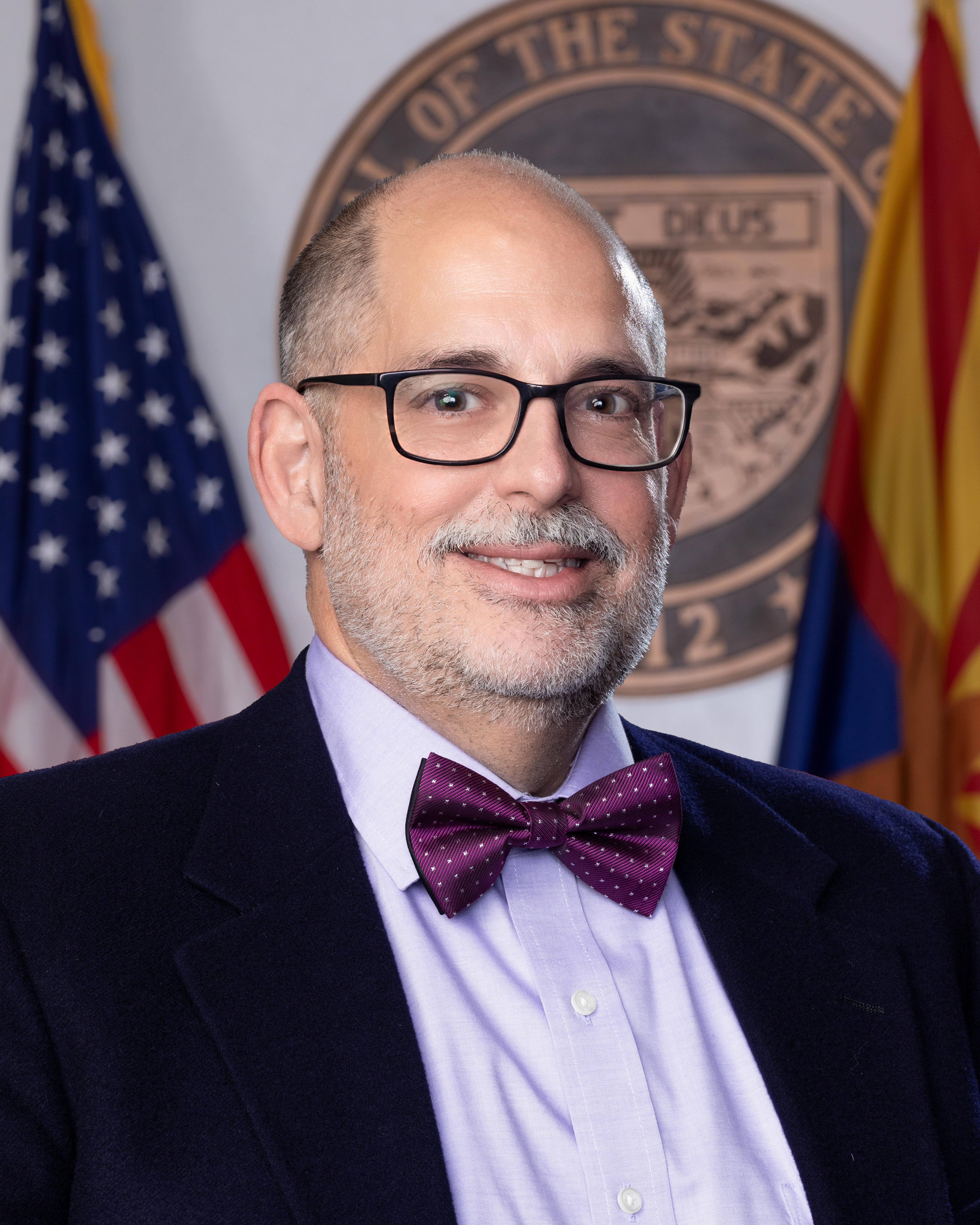
Rep. David Livingston
Sponsored bills
Maddy summaryThis Arizona bill establishes a new funding source and service model to support young adults aging out of the foster care system. It creates a program that pairs these youth with success coaches who provide weekly guidance on life skills, housing, education, and employment. To qualify as a coach, the bill sets requirements including a minimum age of twenty-six, relevant education or experience, and training in social work or related fields. The legislation also mandates the creation of a quality review committee to ensure participants meet eligibility standards and have access to permanent family connections. Finally, the bill requires the Department of Child Safety to develop a comprehensive service plan, submit detailed reports to legislative committees, and repeal the specific funding section after June 30, 2025.
Maddy summaryHB 2903 amends Arizona Revised Statutes to establish and maintain funding mechanisms for indigent medical care and long-term care services across state counties. The bill outlines specific rules for how much each county must contribute to these health programs, including a cap on contributions based on local property tax rates and special protections for counties with significant Native American populations. It also sets a requirement that the state covers 50% of any year-over-year increase in nonfederal long-term care costs, while detailing how the state treasurer will withhold funds from non-compliant counties to ensure program financing. Ultimately, this legislation defines the financial responsibilities of local governments and the state in providing essential healthcare services to low-income residents.
Maddy summaryHB 2897 is the 2024-2025 General Appropriations Act for Arizona, which allocates over $7.4 billion in state funding to the Department of Education and its various programs. The bill directly affects public school districts, private schools, and other educational entities by distributing money for teacher salaries, student services, school safety, and specialized programs like special education and adult education. Key provisions include specific funding amounts for basic state aid, formula programs, and non-formula initiatives, while also establishing rules on how certain funds from permanent state school trusts must be spent before using general state funds. Additionally, the legislation sets expenditure limits for various accounts and requires the department to report fiscal impacts before making changes to programs that would increase costs.
Maddy summaryThis bill makes several updates to Arizona state laws regarding emergency management, water conservation, and fire safety funding. It clarifies the duties of the Division of Emergency Management and establishes a revolving fund to finance its training events. The legislation also creates a new fund for water conservation grants, allowing eligible entities and non-governmental organizations to apply for financial assistance for water-saving projects. Additionally, it sets up a temporary fund to provide grants for fire departments to purchase secure incident management software and hardware, with the money reverting to the general fund after June 2025. Finally, the bill includes provisions for the Arizona State Parks Store Fund to support the operation and maintenance of park gift shops.
Maddy summaryThis bill amends Arizona tax laws to create a certification program for third-party providers who help businesses calculate taxes on sales of physical goods. Starting in 2026, the state will require these service providers to meet specific standards and undergo audits, with a public list of certified providers maintained on the department's website. The legislation shifts liability for tax errors related to sourcing calculations from the taxpayer to the certified provider, provided the mistake was not caused by incorrect information from the state. Additionally, the bill clarifies various items and services that are exempt from the state's retail sales tax, including specific medical supplies, food for employees, and certain educational materials.
Maddy summaryHB 2904 establishes a tuition scholarship fund for the spouses and dependents of law enforcement officers in Arizona, allowing them to attend public universities, community colleges, or licensed private institutions. The Arizona Board of Regents administers the fund, awarding scholarships that cover tuition and mandatory fees based on a first-come, first-served basis, with awards limited to four academic years and restricted to specific degree or vocational programs. Eligibility is verified using a law enforcement commission card and an employment verification letter, and the program includes annual reporting requirements to track the number of recipients and amounts awarded. The bill also adjusts the state's required financial match for student registration fee surcharges and sets specific state aid levels for community college programs for the 2024-2025 fiscal year. Finally, the scholarship fund is set to be repealed after June 30, 2025, with any remaining money transferred to the state general fund.
Maddy summaryThis bill updates how unclaimed lottery prize money is distributed in Arizona, directing specific percentages to various state funds. Fifty-five percent of unclaimed prizes go to a lottery prize pool, while thirty percent supports the Court Appointed Special Advocate program for vulnerable individuals, and fifteen percent aids tribal college dual enrollment programs. Additionally, the legislation clarifies the administration of the juvenile probation fund and establishes a revolving fund to hold money recovered from racketeering cases and forfeitures. These changes ensure that funds from lotteries and legal recoveries are systematically allocated to support youth services, vulnerable persons, and law enforcement efforts.
Maddy summaryThis bill updates how several Arizona professional licensing boards manage their finances by shifting the majority of their collected fees into dedicated funds. Specifically, it requires boards overseeing professions like nursing, medicine, accounting, and cosmetology to deposit 85% of their revenue into separate accounts for their own operational expenses, while sending the remaining 15% to the state general fund. The legislation also clarifies that fines and penalties collected from rule violations will continue to go directly to the state general fund rather than the professional boards. By making these changes, the bill ensures that licensing boards are primarily funded by the fees they collect from the professionals they regulate, while still contributing a portion of those funds to the state's general budget.
Maddy summaryHB 2899 appropriates state funds for the 2024-2025 fiscal year to finance major maintenance, repairs, and construction projects for various state agencies. The bill directs specific amounts to the Department of Administration for general building renewal, the Department of Corrections for facility upkeep, and the Department of Transportation for highway construction, airport development, and vehicle fueling station replacements. It also allocates smaller sums to the Arizona Game and Fish Department, the State Lottery Commission, the State Parks Board, and the Arizona Exposition and State Fair Board for their respective capital improvement needs. Additionally, the legislation requires the Department of Transportation to submit detailed financial reports on highway expenses and debt obligations to legislative and executive officials by November 1, 2024.