

Maddy summaryHB 2770 requires all Arizona school district governing board members to complete either eight hours of professional development training or attend a training workshop related to school governance. This new requirement (Section 15-349) directly affects all current and future school board members statewide, replacing the previous option of meeting education or experience standards as a qualification path. The bill amends qualification rules (Section 15-421) to allow the training to satisfy the "two years of experience" requirement in areas like school finance, student safety, or governance. It does not change existing residency, voter registration, or conflict-of-interest rules but adds training as a concrete, accessible pathway for candidates.
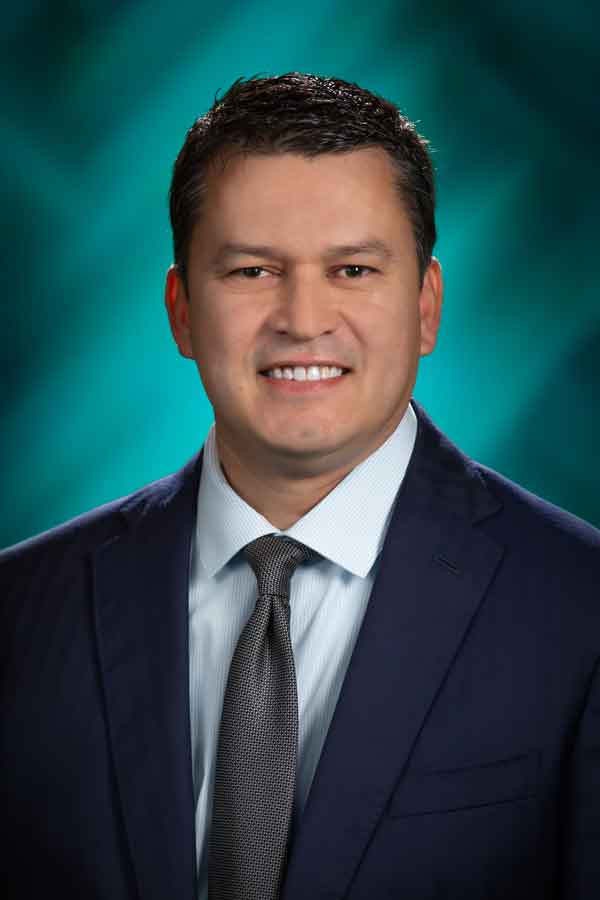
Rep. Tony Rivero
Sponsored bills
Maddy summaryHB 2768 appropriates $7 million from Arizona's state general fund for the University of Arizona during fiscal year 2025-2026 to fund campus safety infrastructure and vehicle upgrades. This funding directly affects the University of Arizona by enabling specific safety improvements on its campus. The bill also exempts this appropriation from standard state rules requiring annual re-approval, ensuring the funds remain available for the designated purpose without needing renewal each year.
Maddy summarySB 1630 establishes a study committee to examine issues affecting Arizona inmates aged 55+ who are aging within the state correctional system. The committee, composed of legislative members, corrections and healthcare officials, and community representatives (including a former inmate or family member), will research release programs, healthcare access, and transitions to long-term care. It must develop recommendations for a step-by-step release plan and a healthcare roadmap, submitting a final report to state leaders by December 31, 2025. This is a procedural bill creating a study body - not a policy change - and directly affects aging incarcerated individuals in Arizona.
Maddy summaryHB 2766 requires Arizona cities and towns to apply municipal sales taxes uniformly to all food items (without differential rates), while exempting most food for home consumption, food packaging, and sales paid with SNAP benefits. It specifically excludes candy, confectionaries, soft drinks, and soda from the general food exemption, ensuring these remain taxable. The bill also exempts low-cost food sales to vulnerable groups (elderly, homeless, disabled) when purchased using SNAP benefits through approved programs. This amendment, effective January 1, 2026, modifies existing tax code to standardize food taxation and expand specific exemptions.
Maddy summarySB 1629 allows Arizona prison directors to release inmates with terminal illnesses or conditions requiring end-of-life care to state-contracted nursing care facilities. It applies only to inmates who are so debilitated they pose no danger to themselves or others, excluding those convicted of first-degree murder. The bill requires prison officials to periodically review medical records to confirm ongoing eligibility, and if an inmate no longer meets criteria, they must be returned to custody. This policy change directly affects terminally ill inmates in Arizona prisons who qualify under these specific medical and safety conditions.
Maddy summaryHB 2261 exempts honorably discharged U.S. veterans from the application fee required to register for Arizona's medical marijuana program. Veterans must still meet all other requirements, including physician certification and submitting a standard application. The bill amends existing law to specifically exclude veterans from paying the standard fee for a registry identification card. This change directly affects veterans seeking medical marijuana access under Arizona's program.
Maddy summaryHB 2685 creates a $350 state earned income tax credit for Arizona residents who qualify for the federal Earned Income Tax Credit (EITC). It directly affects low-income individuals and families by providing a refundable tax credit that can be claimed on state income tax returns, with one credit allowed per household annually. The bill requires claimants to file the credit with their tax return (except for those with no tax liability who meet specific filing exceptions) and allows excess credit amounts to be paid as refunds. This credit applies retroactively to taxable years beginning after December 31, 2024.
Maddy summaryHB 2373 sets new qualifications for Arizona county attorneys, directly affecting all current and future holders of this position. The bill requires county attorneys to be licensed attorneys in good standing who have practiced law in Arizona for at least five years prior to taking office. It also prohibits county boards of supervisors from paying salary to anyone ineligible under these new standards. Current county attorneys serving on the bill's effective date may continue until their current term expires. The bill amends existing law to strengthen eligibility requirements for this elected county office.