

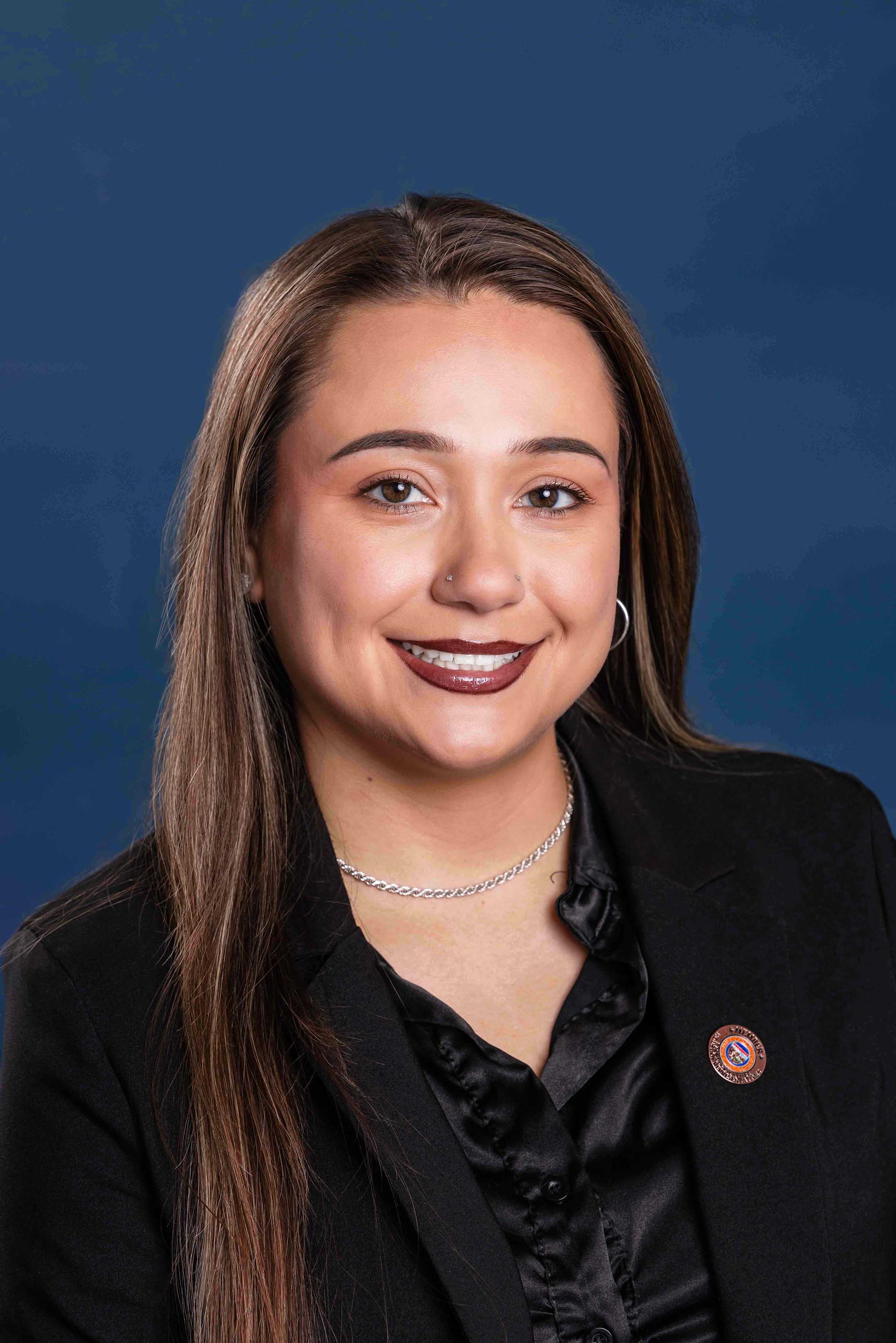
Photo of Anna Abeytia
D Arizona House · District 24

Rep. Anna Abeytia

Compare
Total votes
1,672
all sessions
Attendance
76%
405 missed
Lower than 89% of chamber peers
With party
93%
of cast votes
Near the chamber average
Bipartisan score
6%
crosses aisle rarely
Near the chamber average
Sponsored
264
bills & resolutions
Higher than 75% of chamber peers
Committees
2
assignments
264 bills and resolutions

Sponsored bills

Total
264
Primary
14
Co-sponsor
250
This page
264
matching current filters
Co-sponsor HB 2466
Introduced · Arizona House · Co-sponsor
campaign finance; caregiver expenses

Maddy summaryHB 2466 clarifies that candidate committees in Arizona may legally use campaign funds to cover direct caregiving expenses for a candidate’s child or other dependent they personally care for, such as childcare costs. This specifically affects candidates with caregiving responsibilities who use committee funds for these essential needs. The bill amends Arizona’s campaign finance law (ARS § 16-921) to explicitly list caregiver expenses as an exempt expenditure, aligning with existing rules. The legislature states this is a clarifying change, not a substantive policy shift. It does not expand exemptions beyond this specific provision.

Introduced Jan 27, 2025 1 co-sponsor
Co-sponsor SB 1189
Introduced · Arizona Senate · Co-sponsor
criminal restitution orders; interest

Maddy summarySB 1189 adds a 10% annual interest rate to unpaid criminal restitution orders in Arizona, affecting victims of crimes who are owed payments and defendants ordered to pay restitution. The bill specifies that interest accrues on unpaid balances for both juvenile and adult cases, with the state collecting interest at 4% when enforcing restitution on behalf of victims. Restitution orders, once issued, are enforced as civil judgments without renewal requirements and expire only when fully paid. This change clarifies enforcement mechanisms for court-ordered payments to victims, ensuring consistent interest collection on outstanding amounts.

Introduced Jan 27, 2025 1 co-sponsor
Co-sponsor HB 2294
Introduced · Arizona House · Co-sponsor
outpatient treatment centers; facility fees

Maddy summaryHB 2294 amends Arizona law to allow outpatient treatment centers sharing ownership with a hospital and staffed by licensed providers to avoid state licensure, provided they do not charge a "facility fee." A facility fee is defined as any separate charge beyond professional fees for building costs, electronic records, billing, or administrative expenses. Centers must notify the health department of their exemption status, but the exemption does not apply if they keep patients overnight, provide abortion services, or offer pain management. This directly affects outpatient treatment centers seeking to operate without full licensure under these specific conditions.

Introduced Jan 27, 2025 1 co-sponsor
Co-sponsor HB 2283
Introduced · Arizona House · Co-sponsor
emergencies; price regulations; unlawful practices

Maddy summaryHB 2283 limits price increases for essential goods and services during declared emergencies in Arizona. It prohibits businesses from raising prices more than 10% above pre-emergency levels for building materials, food, emergency supplies, gasoline, medical items, repair services, hotel rooms, or transportation services during a state/local emergency and for 30 days after. Sellers may justify higher prices if directly tied to increased costs from suppliers or labor, but must provide proof. Violations carry civil penalties up to $10,000 per incident and allow affected consumers to seek triple damages plus legal fees.

Introduced Jan 27, 2025 1 co-sponsor
Co-sponsor SB 1137
Introduced · Arizona Senate · Co-sponsor
ESA program; performance review; termination

Maddy summarySB 1137 sets July 1, 2033, as the termination date for Arizona's Empowerment Scholarship Accounts (ESA) program, which provides state-funded scholarships for private school tuition and educational expenses. The bill mandates a comprehensive program review and performance audit to be completed by October 1, 2032, assessing the program's effectiveness, management efficiency, and whether it meets its original goals. This review includes a draft report for the administering department to comment on, a public hearing, and an audit of program outcomes by the state auditor. The legislature must pass and the governor must sign a continuation bill before July 1, 2033, for the program to continue; otherwise, it ends on that date. The law governing the program will be repealed after December 31, 2033.

Introduced Jan 23, 2025 1 co-sponsor
Co-sponsor HB 2643
Introduced · Arizona House · Co-sponsor
appropriations; child care assistance

Maddy summaryHB 2643 allocates $120 million from Arizona's state general fund and $91 million from federal child care development funds for the Department of Economic Security's child care assistance program in fiscal year 2025-2026. The bill directs these funds specifically for child care assistance services, exempting them from standard appropriation expiration rules. This funding supports low-income families seeking child care, ensuring continued program operations without automatic budget lapse. The bill does not change eligibility rules or create new benefits, only securing existing funding streams.

Introduced Jan 23, 2025 1 co-sponsor
Co-sponsor SB 1138
Introduced · Arizona Senate · Co-sponsor
school psychologists; school safety program

Maddy summarySB 1138 establishes a school safety program in Arizona that provides state funding for school districts and charter schools to hire school psychologists, counselors, and social workers. Schools applying for this funding must submit detailed proposals describing safety needs, outlining how they'll implement counseling programs with community partnerships, and including parent communication plans and confidentiality policies. The program requires schools to evaluate the effectiveness of their counseling services and report annually to state officials. This directly affects Arizona public schools seeking mental health support staff, focusing on creating safer learning environments through counseling resources rather than security personnel. The bill mandates specific program requirements and annual reporting to ensure accountability for funded mental health services.

Introduced Jan 23, 2025 1 co-sponsor
Co-sponsor HB 2497
Introduced · Arizona House · Co-sponsor
study committee; educator health insurance

Maddy summaryHB 2497 establishes a study committee to examine health insurance costs for Arizona school district employees and their dependents. The committee, composed of appointed members including health insurance representatives, school district officials, teachers, and school board members, will analyze current insurance plans and costs. It must recommend affordable ways to maintain high-quality health coverage for educators and their families. The committee must submit its findings and recommendations to state leaders by November 1, 2026, and will be dissolved after October 31, 2027.

Introduced Jan 23, 2025 1 co-sponsor
Co-sponsor SB 1139
Introduced · Arizona Senate · Co-sponsor
ESAs; qualified schools; personnel qualifications

Maddy summarySB 1139 sets new requirements for staff at Arizona schools participating in the state’s Education Savings Account (ESA) program. It mandates that all personnel providing academic instruction must have either a bachelor’s degree from an accredited college, three years of teaching experience, or specialized subject-matter expertise. The bill specifically applies to schools accepting ESA payments, affecting both paid employees and certain non-employee instructors directly teaching students. It does not alter existing requirements for public schools but adds these standards for ESA-participating schools.

Introduced Jan 23, 2025 1 co-sponsor
Co-sponsor SB 1140
Introduced · Arizona Senate · Co-sponsor
telehealth program; homeless; recovery services

Maddy summarySB 1140 establishes Arizona's "Homeless Recovery Telehealth Pilot Program," creating a public-private partnership to provide telehealth services for homeless individuals with mental health or addiction needs. The program requires the state health department to select a single telehealth provider via competitive bidding to set up access points in shelters and healthcare facilities, track patient outcomes, and maintain secure data. Key provisions include requiring the provider to share 5-10% of annual revenue with the state, creating a statewide homeless census, and developing personalized recovery plans. The $10 million state appropriation (fiscal year 2025-2026) funds the five-year pilot, which will be evaluated for potential expansion by 2033.

Introduced Jan 23, 2025 1 co-sponsor
Showing 241 to 250 of 264 bills
Previous 1 … 24 25 26 … 27 Next