

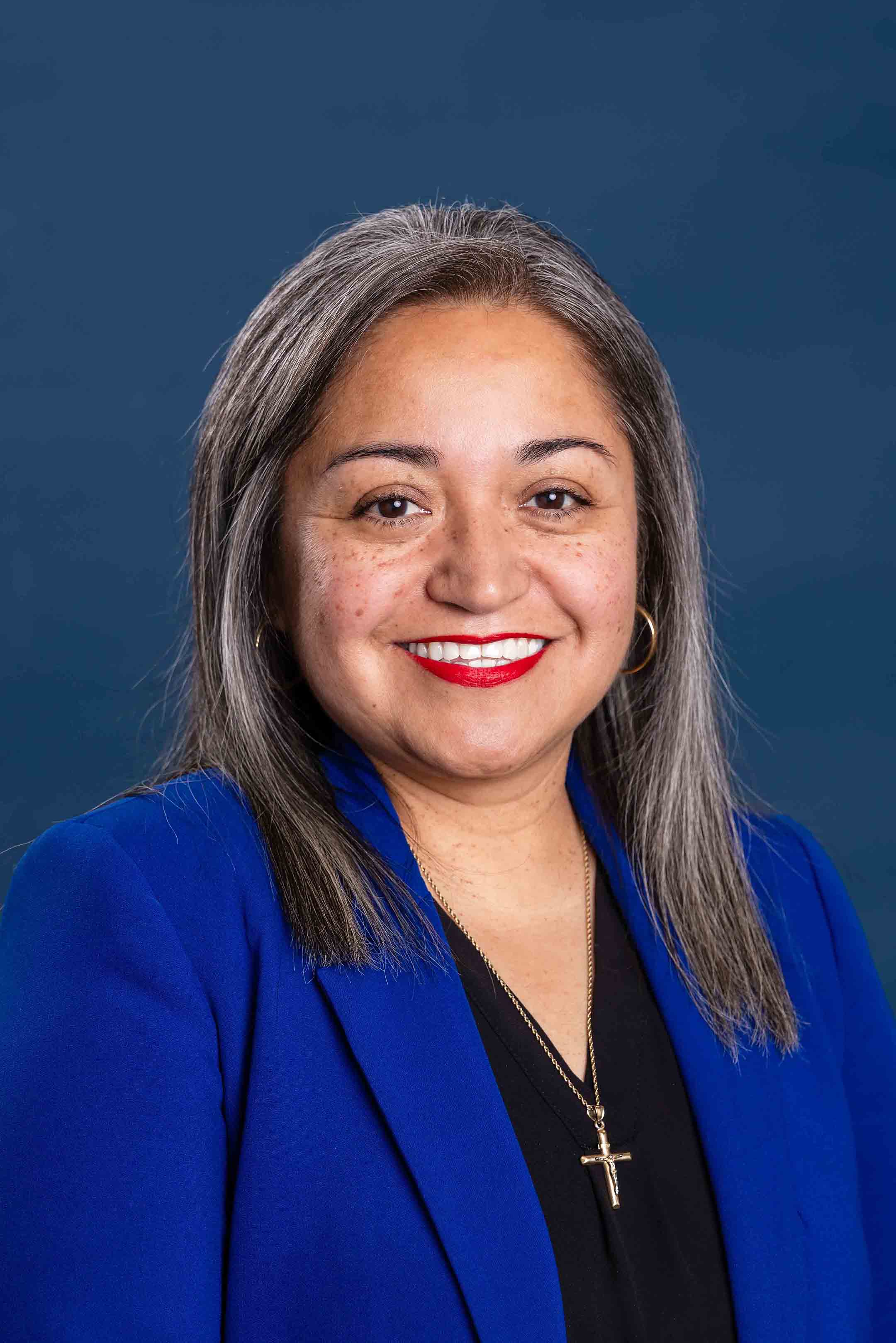
Photo of Mariana Sandoval
D Arizona House · District 23 On the 2026 ballot

Rep. Mariana Sandoval

Compare
Total votes
2,940
all sessions
Attendance
95%
140 missed
Near the chamber average
With party
90%
of cast votes
Near the chamber average
Bipartisan score
7%
crosses aisle rarely
Near the chamber average
Sponsored
578
bills & resolutions
Higher than 95% of chamber peers
Committees
3
assignments
578 bills and resolutions

Sponsored bills

Total
578
Primary
92
Co-sponsor
486
This page
578
matching current filters
Co-sponsor SB 1468
Introduced · Arizona Senate · Co-sponsor
JLBC; income tax review; report

Maddy summarySB 1468 requires Arizona's Joint Legislative Budget Committee (JLBC) staff to annually review and report on the state's individual income tax system. Specifically, by November 1 each year, they must submit a report categorizing current tax brackets (based on 2022 rates), adjustments to gross income, and deductions/credits claimed by taxpayers in the prior year. This bill does not change tax rates or policies but mandates a structured review of existing tax structures. The report will inform legislative decision-making by providing data on how Arizona's tax code is applied. It affects all individual income taxpayers in Arizona through the analysis of their tax filings.

Introduced Feb 2, 2026 1 co-sponsor
Co-sponsor SB 1484
Introduced · Arizona Senate · Co-sponsor
appropriation; Sawmill; intergenerational learning center

Maddy summarySB 1484 allocates $1 million from Arizona's state general fund for fiscal year 2026-2027 to the Navajo Nation for the Sawmill Intergenerational Learning Center. The funds cover the center's design, construction, maintenance, and operations, directly supporting the Navajo Nation's community development efforts. The bill exempts this funding from standard lapsing rules, ensuring the money remains available for the project regardless of fiscal year deadlines. This is a straightforward funding allocation with no policy changes beyond the financial commitment.

Introduced Feb 2, 2026 1 co-sponsor
Co-sponsor SB 1485
Introduced · Arizona Senate · Co-sponsor
appropriation; multipurpose complex; Tuba City

Maddy summarySB 1485 appropriates $6,000,000 from Arizona's state general fund for fiscal year 2026-2027 to the Department of Administration for the Navajo Nation. This funding covers the design, planning, construction, maintenance, and operation of the Tuba City Diné Youth Multipurpose Complex project. The bill exempts this appropriation from standard rules requiring funds to lapse if unused. It directly affects the Navajo Nation by providing state funding for a community facility in Tuba City. The key provision is the dedicated state funding allocation for the complex's development and ongoing operations.

Introduced Feb 2, 2026 1 co-sponsor
Co-sponsor SB 1510
Introduced · Arizona Senate · Co-sponsor
nondisclosure agreements; information; prohibition

Maddy summarySB 1510 prohibits Arizona cities, counties, and the state from including specific environmental data in nondisclosure agreements (NDAs) with private companies. The bill explicitly bans requiring secrecy around a company's water, gas, or electricity usage; air or water emissions; and waste generation (including hazardous waste). This directly affects private businesses that might otherwise be forced to sign NDAs hiding this environmental information. The law aims to ensure transparency about environmental impacts by preventing government entities from legally compelling companies to keep such data confidential.

Introduced Feb 2, 2026 1 co-sponsor
Co-sponsor SB 1482
Introduced · Arizona Senate · Co-sponsor
appropriation; Fort Defiance senior center

Maddy summarySB 1482 allocates $1.5 million from Arizona's state general fund to the Navajo Nation for the surveying, design, planning, and construction of a new senior center in Fort Defiance. The funds directly support the Navajo Nation's project to build a community facility for elderly residents. The bill exempts this appropriation from standard state rules about unused funds lapsing, ensuring the money remains available for the project. This is a straightforward funding measure with no policy changes beyond the allocation.

Introduced Feb 2, 2026 1 co-sponsor
Co-sponsor HB 2936
Introduced · Arizona House · Co-sponsor
public policy; wage contracts; repeal.

Maddy summaryHB 2936 repeals Arizona's requirement that construction projects subject to environmental review must include labor agreements (like neutrality agreements) as a condition for approval. This directly affects construction companies and developers seeking environmental permits for facilities like power plants or transmission lines. The bill removes a provision that previously forced applicants to negotiate or comply with certain labor agreements before receiving approval. It does not change environmental review standards or requirements for pollution control. The repeal simplifies the approval process for construction projects by eliminating this labor-related condition.

Introduced Jan 29, 2026 1 co-sponsor
Primary HB 2928
Introduced · Arizona House · Lead sponsor
working conditions; heat illness; prevention

Maddy summaryHB 2928 establishes heat illness prevention standards for employers in high-risk industries like agriculture, construction, landscaping, oil and gas, airport work, and delivery services. It requires employers to provide free drinking water with ice (and electrolytes for work over an hour above 80°F), shade or climate-controlled rest areas within 400 feet of work zones when temperatures exceed 80°F, and paid rest periods (15-45 minutes per hour) based on heat levels. Employers must also monitor workers for heat symptoms, implement emergency response protocols, and hold pre-shift safety meetings for agricultural workers. These rules, to be adopted by Arizona’s Industrial Commission, apply to all indoor and outdoor workplaces in covered industries to protect workers from heat-related health risks.

Introduced Jan 29, 2026 0 co-sponsors
Primary HB 2927
Introduced · Arizona House · Lead sponsor
elevator requirements; construction project; employees

Maddy summaryHB 2927 requires construction projects exceeding 60 feet above ground or 48 feet below ground to install a temporary elevator or personnel hoist for employee use. This elevator must be operational when the structure reaches 36 feet in height (measured to the top of features like parapet walls or mechanical rooms, excluding antennas or flagpoles). The bill directly affects construction companies building tall structures, mandating safer vertical transport for workers during construction. It specifies concrete installation timing and structural measurement criteria to ensure worker safety during early build phases. The requirement applies to new construction projects, not existing buildings.

Introduced Jan 29, 2026 0 co-sponsors
Co-sponsor SB 1407
Introduced · Arizona Senate · Co-sponsor
ADEQ; tribal consultations

Maddy summaryArizona's environmental agency (ADEQ) must establish formal consultation policies with each of the state's 22 federally recognized tribes before making decisions affecting tribal interests. The bill requires each policy to include tribal input on consultation processes, designated contacts, geographic areas needing consultation, and specific commitments like respecting tribal sovereignty and considering traditional knowledge. ADEQ must publish these policies online within 90 days and update them annually by December 31 of even-numbered years after direct tribal consultations. This directly affects ADEQ's decision-making on permits, policies, and approvals that impact tribal lands, resources, or cultural sites. The law mandates government-to-government engagement to ensure tribal views are meaningfully integrated into environmental decisions.

Introduced Jan 29, 2026 1 co-sponsor
Co-sponsor SB 1406
Introduced · Arizona Senate · Co-sponsor
citizen suits committee; solid waste

Maddy summarySB 1406 establishes a temporary committee to study whether Arizona should allow citizens to sue polluters over solid and hazardous waste violations under state law. The committee includes bipartisan legislators, environmental groups, citizens' rights advocates, industry representatives, and waste facility stakeholders. It must report its findings to state leaders by December 31, 2026, and will dissolve after June 30, 2027. This bill is procedural - it creates a study group to evaluate potential policy changes, not a new law.

Introduced Jan 29, 2026 1 co-sponsor
Showing 51 to 60 of 578 bills
Previous 1 … 5 6 7 … 58 Next