

Maddy summaryThis Arizona bill (SB 1172) modifies landlord-tenant rules around partial rent payments. It allows landlords to refuse partial payments but requires a written agreement if they accept at least 50% of rent during the five-day notice period for nonpayment. If tenants pay the full amount within one week of this agreement, their lease restarts and late fees are canceled; otherwise, eviction may proceed. The law clarifies that housing assistance payments do not count as partial rent, and accepting any rent payment while a tenant is in default typically waives the landlord’s right to evict for that breach.
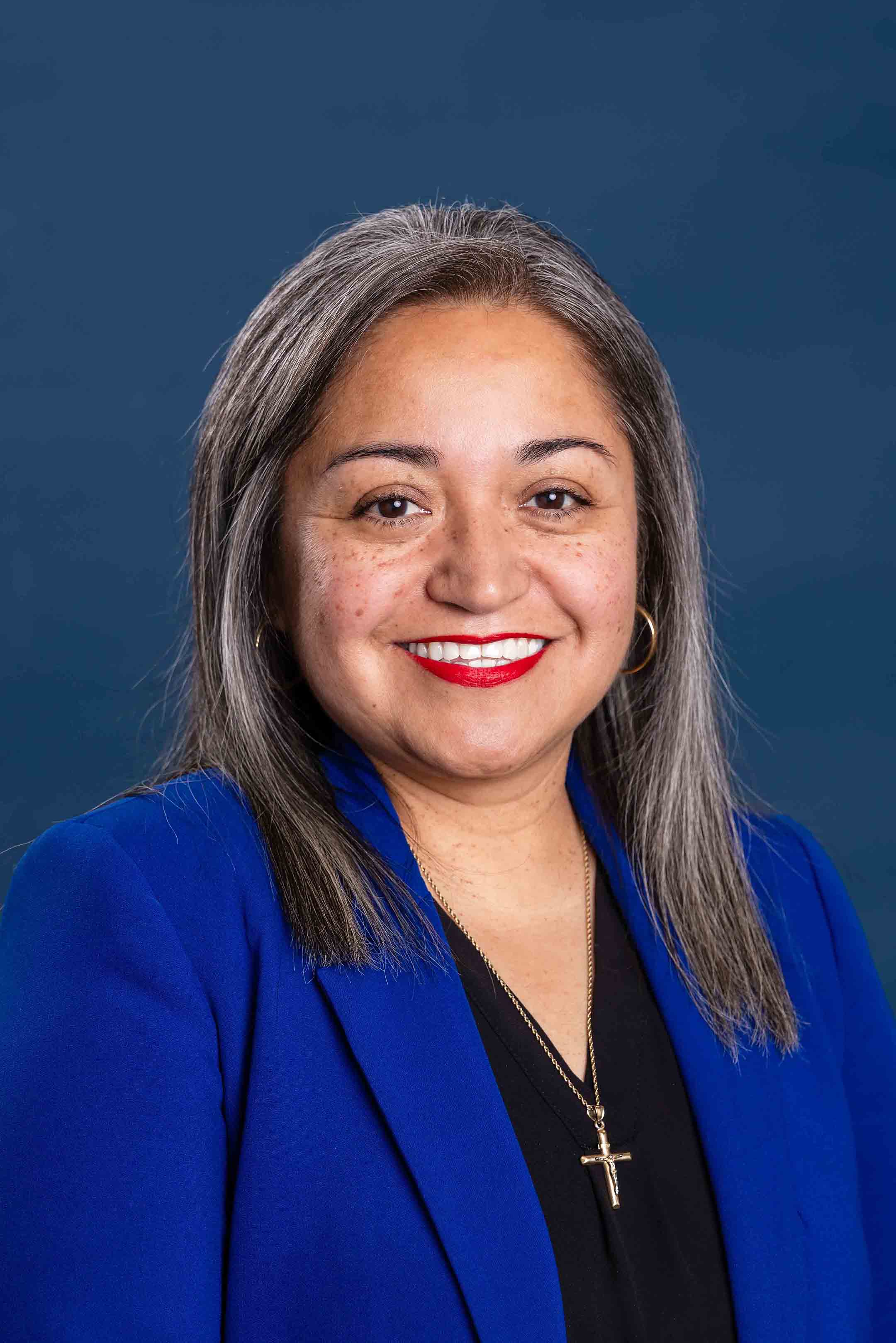
Rep. Mariana Sandoval
Sponsored bills
Maddy summaryHB 2444 repeals a specific outdated provision (Section 9-461.16) from Arizona's zoning code while amending Section 9-462.01 to clarify existing zoning regulations. The bill directly affects Arizona municipalities that use these zoning codes for land use planning, including regulations on residential development, historical districts, and age-restricted communities. It makes no new policy changes but updates the legal text to remove redundant language and streamline the process for municipalities to adopt zoning rules. This is a technical correction to the state's zoning statutes, not a substantive change to housing policy.
Maddy summarySB 1177 repeals Arizona statutes (33-1329 and 33-1416) that previously blocked cities from enacting local rent regulation policies. This bill would remove state-level restrictions, allowing municipalities to establish their own rent control or tenant protection measures. It directly affects landlords and tenants in Arizona cities that may choose to implement local rent rules. The bill does not create new regulations but changes the legal framework for local policy options.
Maddy summaryHB 2586 creates a mobile communications platform for Arizona election workers, including poll workers, drivers, warehouse staff, and voter registration personnel. The bill requires the Secretary of State to establish this platform and deploy it in a pilot program across one or more counties, with counties potentially using it at reduced or no cost. It appropriates $200,000 from the state general fund for fiscal year 2025-2026 to support the pilot, which expires on December 31, 2026. The legislation directly affects election workers and local election offices participating in the pilot.
Maddy summaryHB 2621 requires most private firearm sales or transfers between non-dealers to go through a licensed firearms dealer for a background check, with the buyer paying up to $20 for the service. It mandates in-person verification at the dealer’s location and prohibits transfers if background checks reveal legal prohibitions. The law excludes law enforcement, gunsmith repairs, antique firearms (pre-1898), immediate family gifts, and certain temporary transfers. Violating the bill carries a class 5 felony penalty. This directly affects private sellers and buyers who aren’t licensed dealers.
Maddy summarySB 1184 establishes minimum wage and benefit standards for drivers working for ride-hailing (e.g., Uber, Lyft) and delivery (e.g., DoorDash) companies in Arizona. It requires these drivers to be paid the greater of: $1.00 per mile, $0.47 per minute, $5.62 per trip, or 80% of customer cancellation fees. The bill also mandates annual 3% cost-of-living adjustments, $600 quarterly health cost reimbursements (for drivers working 32+ hours/week), and 1 hour of paid sick leave for every 32 hours worked. This directly affects transportation network and delivery company drivers, setting concrete pay and benefit requirements rather than relying on existing minimum wage laws.
Maddy summaryThis Arizona bill (HB 2533) protects workers during public health emergencies by prohibiting employers from retaliating against workers who report safety concerns, wear recommended personal protective equipment (like masks), or oppose violations of the law. It bans employers from forcing non-disclosure agreements about workplace hazards and requires posting of worker rights notices. Violations can result in civil penalties of $100 per day, reinstatement, or back pay for affected workers. The law applies broadly to most workers, including those employed by large contracting entities and migrant laborers, during declared emergencies like pandemics.
Maddy summaryHB 2593 requires Arizona school districts to offer preschool educational programs for children with specific disabilities (including hearing, visual, developmental delays, or speech impairments) who reside within the district. Charter schools may choose to provide these programs. The bill mandates that districts evaluate children before admission and specifies that these preschoolers count as half a full-time student for funding purposes. It also directs the state board to distribute 10% of federal funds for preschool disability programs to school districts and charters that choose to participate. This bill directly affects preschool children with disabilities and school districts managing their educational services.
Maddy summaryArizona's SB 1197 prohibits employers from refusing to interview, hire, promote, or employ an applicant because they decline to share their past salary information. The bill directly affects job applicants in Arizona who may be asked about their previous wages during hiring. Key provisions ban employers from using non-disclosure of wage history as a basis for employment decisions and prohibit retaliation against applicants who refuse to provide this information. The law aims to prevent salary history from influencing hiring outcomes, promoting pay transparency and fairness.
Maddy summaryHB 2504 amends Arizona statutes to standardize terminology and restrict immigration-related activities. It changes "legal resident alien" to "legal resident alien immigrant" in liquor licensing (Section 1), prohibits adoption of undocumented immigrants under age 21 (Section 2), and bans cities/counties from building work centers facilitating employment of undocumented immigrants (Sections 3-4). The bill also mandates state agencies to enforce federal immigration laws "to the full extent permitted" (Section 5). These changes directly affect liquor license applicants, adoption petitioners, and local governments constructing work centers.