

Maddy summarySB 1420 requires Arizona school districts and charter schools to adopt green cleaning policies by December 2026, using environmentally sensitive products unless it would raise cleaning costs. It also mandates state agencies, universities, and school districts to reduce energy use in public buildings by 20% by 2031, meet LEED standards for new/renovated buildings, and source 10% of energy from renewable sources by 2030. The bill establishes an Energy and Water Efficiency Fund to provide low-interest loans for energy-saving upgrades, repayable through energy cost savings. These requirements directly affect all public schools, state buildings, and government agencies managing facilities.
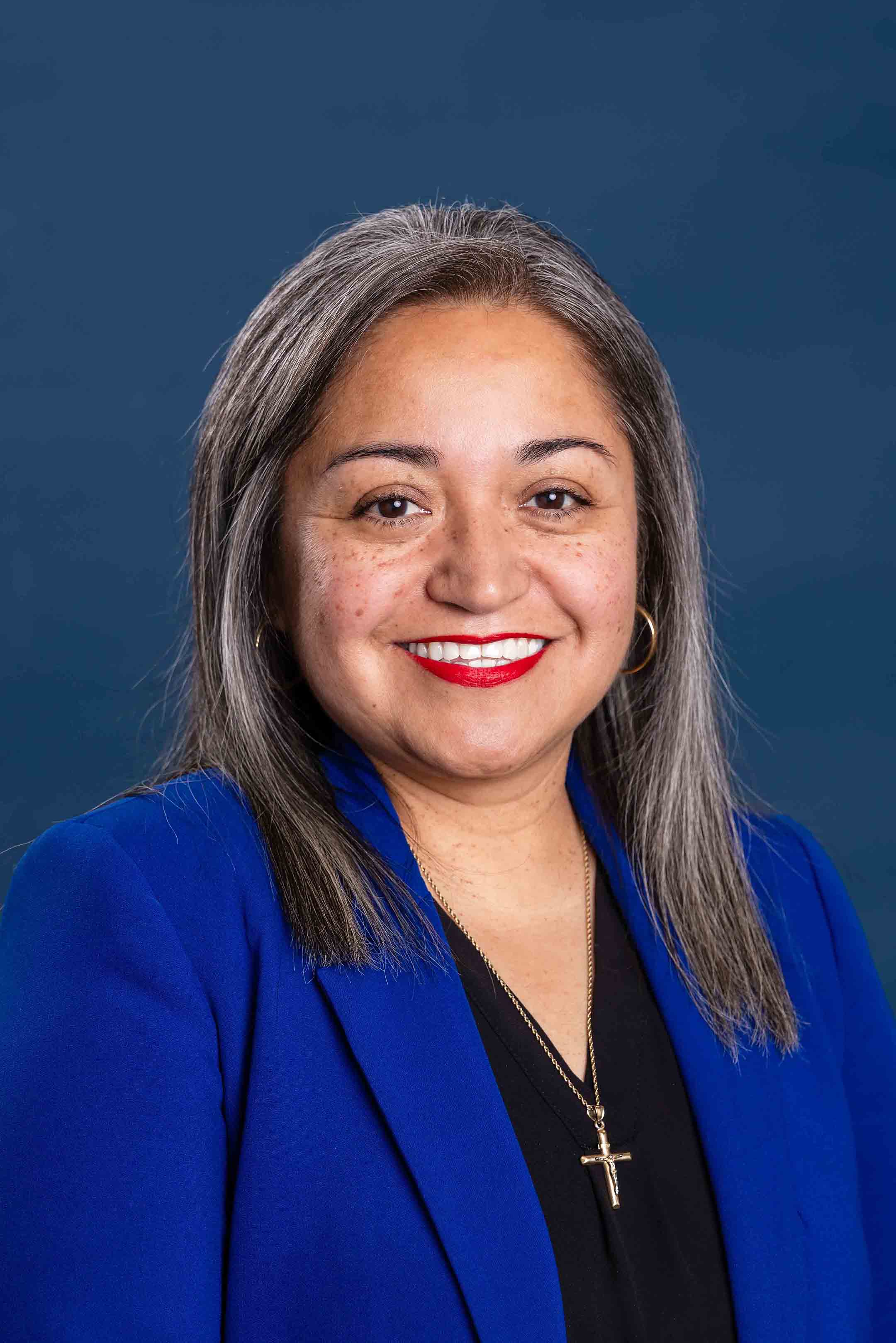
Rep. Mariana Sandoval
Sponsored bills
Maddy summarySB 1408 prohibits utility companies (public service corporations) and their key executives, family members, and related entities from contributing to Arizona Corporation Commission candidates or accepting their contributions. It defines "coordinated expenditures" as payments for candidate-created campaign materials or joint activities with candidates, treating these as indirect contributions. The bill specifically bans utility companies from funding candidate debates or forums without strict separation, and clarifies that coordinated spending with candidates - such as sharing campaign strategy - counts as a contribution. This directly affects utility companies, their executives, and Corporation Commission candidates, aiming to prevent undue influence in elections for utility regulators.
Maddy summaryHB 2709 allocates $5,000,000 from Arizona's state general fund for fiscal year 2025-2026 to the Navajo Division of Transportation. The funding specifically supports the installation of a box culvert at the Pueblo Colorado Wash crossing in the Cornfields Chapter area. This bill directly affects the Navajo Division of Transportation and the local community by providing resources for a specific infrastructure project. As a funding measure, it does not create new policy but enables a defined construction activity.
Maddy summaryHCR 2027 proposes a law that would prohibit the issuance of licenses for marijuana dispensaries, testing facilities, and commercial marijuana establishments in unincorporated areas of Arizona completely surrounded by Indian reservations. This measure directly affects businesses seeking to operate in those specific geographic locations, including both medical (nonprofit) and commercial marijuana operations. The bill requires voter approval to become law, as it is structured as a referendum measure under Arizona's constitutional authority. If passed, it would prevent state licensing for these facilities in the defined unincorporated areas adjacent to tribal lands. The proposal is currently pending voter approval after initial legislative readings.
Maddy summaryThis resolution (HR 2002) declares gun violence a public health crisis in Arizona. It cites Arizona's 2020 firearm death toll of 1,265, 2022 data showing firearms as the top cause of death for teens aged 15-17, and statistics linking gun access to increased suicides and homicides. The resolution makes no new laws or funding provisions - it is a symbolic declaration by Arizona's House of Representatives. It focuses on acknowledging the severity of gun violence as a public health issue, based on state-specific data.
Maddy summaryThis bill (HB 2348) requires Arizona health insurers - covering hospital service corporations, medical service corporations, health care services organizations, and disability insurers - to provide coverage for behavioral health services (including mental health and substance use disorder treatment) starting January 1, 2026. It mandates insurers to arrange out-of-network coverage with negotiated rates when in-network providers aren’t available within specific timeframes: 30 days for routine care, 7 days for residential care, and 24 hours for emergencies. Crucially, patients cannot pay more than their standard in-network copay, coinsurance, or deductible for these services. Insurers must also document and report out-of-network payments to the state within 20 days of request.
Maddy summaryHCR 2034 would require background checks for most private firearm transfers in Arizona by mandating that non-dealer sellers or buyers use a licensed firearms dealer to process the transaction. This applies to all private sales not covered by specific exceptions (like law enforcement transfers, gunsmith repairs, or family gifts). The dealer must conduct a background check under federal and state law before completing the sale or returning the firearm to the seller if prohibited. Violating this rule would be a class 5 felony. The bill requires voter approval to become law.
Maddy summaryHB 2352 repeals Arizona's state-level registration requirement for scrap metal dealers and clarifies that local cities, towns, or counties retain authority to enforce their own business licensing systems - including those requiring background checks or fingerprinting. The bill directly affects scrap metal dealers and local licensing authorities by shifting registration responsibility from the state to local governments. Key provisions include eliminating statewide registration (repealing Sections 9-500.38 and 11-269.16) while allowing local licensing systems to remain in place for existing license holders. Existing licenses held by dealers before September 13, 2013, remain valid without requiring reapplication, unless local requirements mandate updates for specific events.
Maddy summaryArizona's HB 2528 changes the state's marriage law to set 16 as the minimum age for marriage. It allows 16- and 17-year-olds to marry only if they have an emancipation order from a court or parental/guardian consent, and their partner is no more than three years older. The bill prohibits marriage for anyone under 16 and requires clerks of court to deny marriage licenses to minors under 18 who don't meet these specific conditions. This directly affects minors aged 16-17 seeking marriage, their parents/guardians, and court clerks issuing licenses.
Maddy summaryHB 2496 modifies Arizona's licensing rules by prohibiting state agencies from requiring applicants to provide citizenship or alien status documentation when applying for a professional license. It also mandates that agencies accept a federal tax identification number in place of a Social Security number for licensing purposes. This applies to all licenses issued by state or local agencies for businesses or services (like CPAs, contractors, or healthcare providers). The bill directly affects individuals seeking professional licenses who may lack traditional citizenship documentation, such as immigrants or non-citizens. The key change replaces prior requirements in Section 41-1080 with these new documentation standards.