

Maddy summaryHB 2751 creates a 1% surcharge on payroll taxes for Arizona businesses employing 50 or more people, starting in 2026. This surcharge applies to all business types (including corporations, partnerships, and LLCs), with co-owners paying based on their ownership share. The collected funds will be deposited into a new Community College Apprenticeship and Workforce Development Program Fund. The money will specifically support community colleges in developing apprenticeship and workforce training programs, directly benefiting workers seeking job skills and businesses needing trained employees.
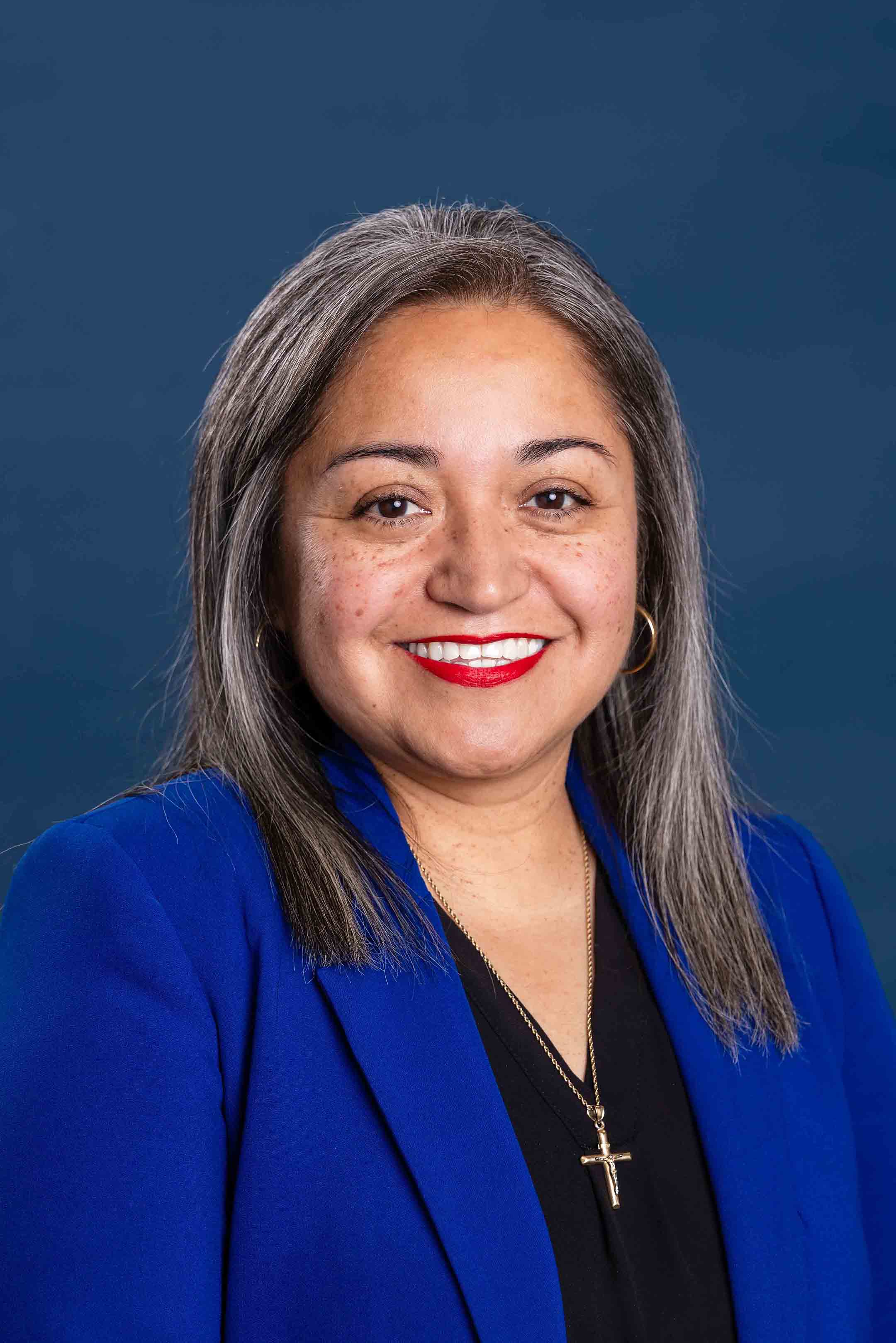
Rep. Mariana Sandoval
Sponsored bills
Maddy summaryHB 2781 amends Arizona's landlord-tenant law to authorize the Attorney General to investigate violations of the chapter under consumer fraud and civil rights statutes. It directly affects landlords and tenants by adding the Attorney General as an enforcement authority for these violations, alongside existing mechanisms. The key provision allows the Attorney General to investigate under Title 44 (consumer protection) and Title 41 (civil rights) without creating new tenant or landlord obligations. This is a procedural change to enforcement, not a policy shift in tenant rights. The bill is in early stages (House first and second readings in February 2025).
Maddy summaryHB 2716 would exempt school building blueprints and floor plans from being considered public records under Arizona law. This means these documents would no longer be subject to public record requests made under Title 39, Chapter 1. The bill directly affects anyone seeking access to school facility design documents, including journalists, researchers, or members of the public. It changes the current requirement that such records be disclosed by stating they are not public records by law. The bill is currently in early legislative stages (House First and Second Readings).
Maddy summaryHB 2752 imposes a $300 annual surcharge on tuition paid by out-of-state students attending Arizona public universities. The collected funds will be deposited into a new Arizona Higher Education Financial Aid Program Fund. Starting in 2026, this fund will provide full tuition and fee coverage to eligible Arizona residents enrolled at state universities or community colleges who maintain a 2.0 GPA. To qualify, students must be Arizona residents, enrolled at a qualifying institution, and meet the GPA requirement. The bill also includes an initial $500,000 appropriation for the fund in fiscal year 2025-2026.
Maddy summarySB 1546 requires Arizona agricultural improvement districts to publicly post on their websites a listing of elected directors and a map (or similar tool) showing which directors represent specific residents. This transparency measure directly affects residents of agricultural districts who want to identify their local representatives. The bill mandates districts to make this information easily accessible online, ensuring residents can determine their district's governance structure. (This is a procedural bill focused on disclosure, not substantive policy changes.)
Maddy summaryHB 2350 allocates $7 million from Arizona's state general fund for fiscal year 2025-2026 to provide housing assistance to seniors aged 60 and older. The funds will be distributed by the Department of Economic Security to local area agencies on aging (which administer senior services under federal law). This bill establishes ongoing funding for this program beyond the current fiscal year and exempts the appropriation from standard budget lapsing rules. It directly affects elderly Arizonans by expanding access to housing support through existing senior service organizations.
Maddy summaryHB 2715 prohibits charter schools from suspending students for unexcused absences and amends school discipline rules for all Arizona school districts. The bill specifically states that penalties for excessive absenteeism (including failure to pass a course or expulsion) cannot include suspension, with an exception for absences due to illness certified by a licensed medical professional. School districts must also annually report suspension/expulsion data related to illegal substances to the state education department, with aggregated data posted online. This directly affects students facing discipline for absenteeism, school staff implementing discipline policies, and school boards managing disciplinary procedures.
Maddy summarySCR 1017 proposes adding a constitutional right to a clean and healthy environment for all Arizonans, including future generations. It declares natural resources like air, water, and ecosystems as common property belonging to all people. The state would be required to act as a trustee, conserving these resources for current and future residents. If approved by voters, this right would be enforceable under Arizona's Constitution without needing new laws.
Maddy summarySB 1416 allows blind or visually impaired voters (and voters with print disabilities) in Arizona to request early ballots using a federal postcard application form. It requires counties to send ballots via the voter’s chosen method - electronic (internet/fax) or mail - within 45 days of an election for registered voters, eliminating the need for paper ballots if delivered electronically. Voters can also designate their preferred delivery method when applying, and counties must verify ballot receipt at no cost to the voter. This bill directly affects eligible voters with visual impairments or print disabilities by expanding accessible ballot delivery options under Arizona law.
Maddy summarySB 1419 creates a statewide recycling program for large electronic devices in Arizona, requiring manufacturers to establish and fund collection and recycling systems. It directly affects manufacturers of covered devices (like computer monitors over 4 inches, desktops, laptops, and TVs over 4 inches), retailers selling these devices, and households/businesses that use them. Key provisions include mandatory manufacturer registration with the state by 2026, annual fees, labeling requirements for products, and plans for statewide collection sites (including at least one per city over 50,000 residents). The law prohibits sales of covered devices without compliance and mandates environmentally sound recycling, excluding appliances, industrial equipment, and small devices.