

Maddy summaryHB 2471 adds two new state holidays in Arizona: March 31 for "Cesar Chavez Day" and April 1 for "Dolores Huerta Day." The bill amends Arizona Revised Statutes § 1-301 to include these dates in the official list of state holidays, affecting state employees and institutions that observe designated holidays. It also repeals Section 1-308 of the statutes. This is a procedural change to the state's holiday calendar with no substantive policy impact beyond naming these observances.
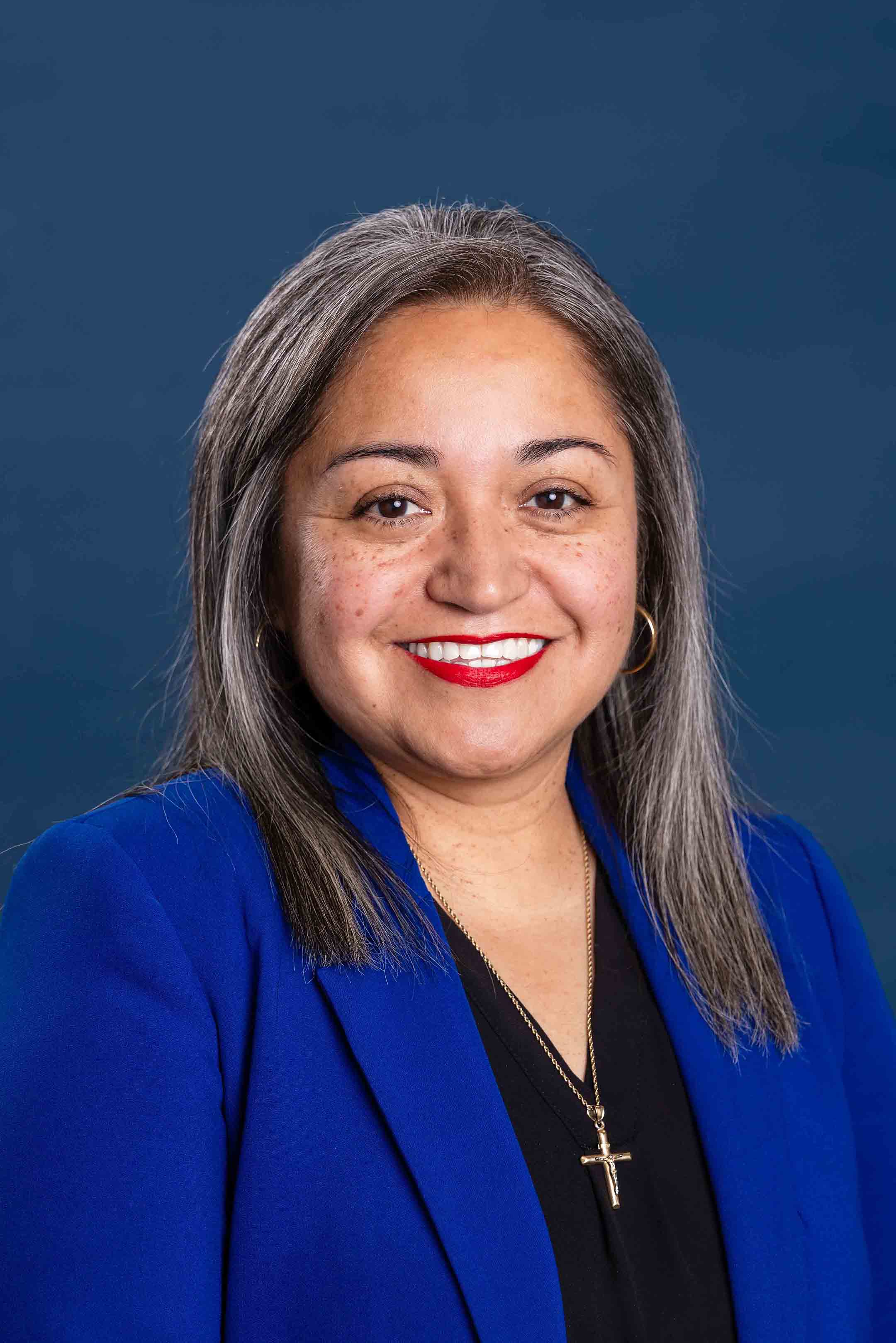
Rep. Mariana Sandoval
Sponsored bills
Maddy summaryHB 2470 adjusts Arizona legislators' daily subsistence payments during legislative sessions. It replaces a fixed $35 rate for Maricopa County residents with a new system where all legislators receive 100% of the federal per diem rate (including lodging) for non-Maricopa residents, and Maricopa residents get $35 for the first 120 session days. After 120 days, Maricopa residents receive $10 daily, while non-Maricopa residents get 50% of the annual federal rate. The annual rate is set by the Department of Administration using U.S. General Services Administration data, and legislators may opt out of these payments.
Maddy summaryHB 2741 designates the third Tuesday in January each year as Arizona's "National Day of Racial Healing" for public observation. The bill specifies this day is not a legal holiday, meaning state offices and schools would remain open. It aims to encourage community reflection and dialogue on racial healing through state-level recognition, without imposing new legal requirements or funding. This is a symbolic, non-binding designation focused on raising awareness.
Maddy summaryHB 2651 establishes a voluntary "Blue Envelope Program" for drivers diagnosed with autism spectrum disorder in Arizona. Participants receive a standardized blue envelope (available in English and Spanish) containing their vehicle registration, insurance details, and communication tips for law enforcement during traffic stops. The program ensures confidentiality by prohibiting disclosure of participants' identities and requires collaboration between the state, University of Arizona, and community stakeholders to design the envelope's contents based on expert guidance. This directly affects individuals with autism spectrum disorder who drive, aiming to improve communication during police interactions.
Maddy summaryHB 2296 prohibits Arizona state agencies and local governments from requiring public works contractors to sign neutrality agreements, project labor agreements, or contribute to federally registered apprenticeship programs as a condition of winning or performing public construction projects. It directly affects contractors bidding on state or local public works contracts, such as building or repairing public infrastructure. The bill defines key terms like "neutrality agreement" (requiring contractors to stay neutral toward unions) and "project labor agreement" (pre-hire bargaining agreements), banning these as mandatory contract conditions. It explicitly does not prevent private collective bargaining or interfere with federally protected labor activities.
Maddy summaryHB 2633 establishes the Arizona Commission on Latino Affairs to address the needs of Arizona's Latino community. The commission consists of nine voting members (seven appointed Latino residents and two non-Latino residents) appointed by the governor, plus non-voting advisors with expertise in education, health, civil rights, social services, and small business. Its key duties include advising the governor on policies affecting Latinos, assisting state agencies with Latino-focused programs, and hosting an annual Latino Legislative Day. The bill also creates a dedicated fund to support the commission's operations, with annual reporting requirements to the governor and legislature.
Maddy summaryHB 2595 appropriates $45 million from Arizona's state general fund for fiscal year 2026-2027 to Coconino County through the Attorney General. The funds will directly support constructing a new juvenile court services facility and converting the county's existing juvenile detention center into a detox, sobriety, and crisis recovery center. This bill provides concrete financial resources for physical infrastructure changes within Coconino County's juvenile services system. It does not alter eligibility or service standards but focuses on facility development and repurposing. The bill is currently in early legislative stages, having passed its first two readings.
Maddy summaryHB 2222 amends Arizona law (ARS § 36-337) to allow individuals born in Arizona to update their sex designation on birth certificates without providing medical or surgical documentation. It requires only a notarized form certifying the updated sex designation (male, female, undesignated, or other) and a written request from the individual or their guardian if a minor. This change directly affects transgender, intersex, and non-binary Arizonans seeking to align their birth certificates with their gender identity. The bill removes the prior requirement for physician verification of sex change operations or chromosomal testing, streamlining the process while maintaining other existing procedures for birth certificate amendments.
Maddy summaryThis bill requires Arizona counties with tribal lands to consult tribal representatives before making specific changes to voting locations. County election officials must seek tribal input before combining precincts, establishing voting centers, or setting up emergency voting locations. The law mandates this consultation for any decision affecting polling places in tribal areas, ensuring tribal communities are involved in election planning. It applies only to counties containing tribal lands, not statewide election rules.
Maddy summaryHB 2298 amends Arizona law to restrict how public universities can increase tuition and fees for in-state undergraduate students. It prohibits tuition hikes exceeding the Phoenix metropolitan area consumer price index (CPI) for resident students and freezes tuition for the first four consecutive years of enrollment. The bill requires universities to hold public hearings on proposed increases, disclose details 10 days in advance, and report enrollment data to the legislature. These changes directly affect Arizona public university students (especially in-state undergraduates) and the Arizona Board of Regents, which administers the new rules.