

Maddy summaryArizona's HB 2640 prohibits the distribution and use of fertilizers containing PFAS chemicals (perfluorooalkyl or polyfluoroalkyl substances, or fluorinated organic chemicals with two or more fully fluorinated carbon atoms) starting December 31, 2027. The bill directly affects fertilizer distributors and manufacturers who currently use these substances in their products. Key provisions require the director to ban such fertilizers after 2027 and establish enforcement mechanisms, including license cancellation and penalties for violations. This policy change specifically targets PFAS in agricultural fertilizers, with no exemptions specified.
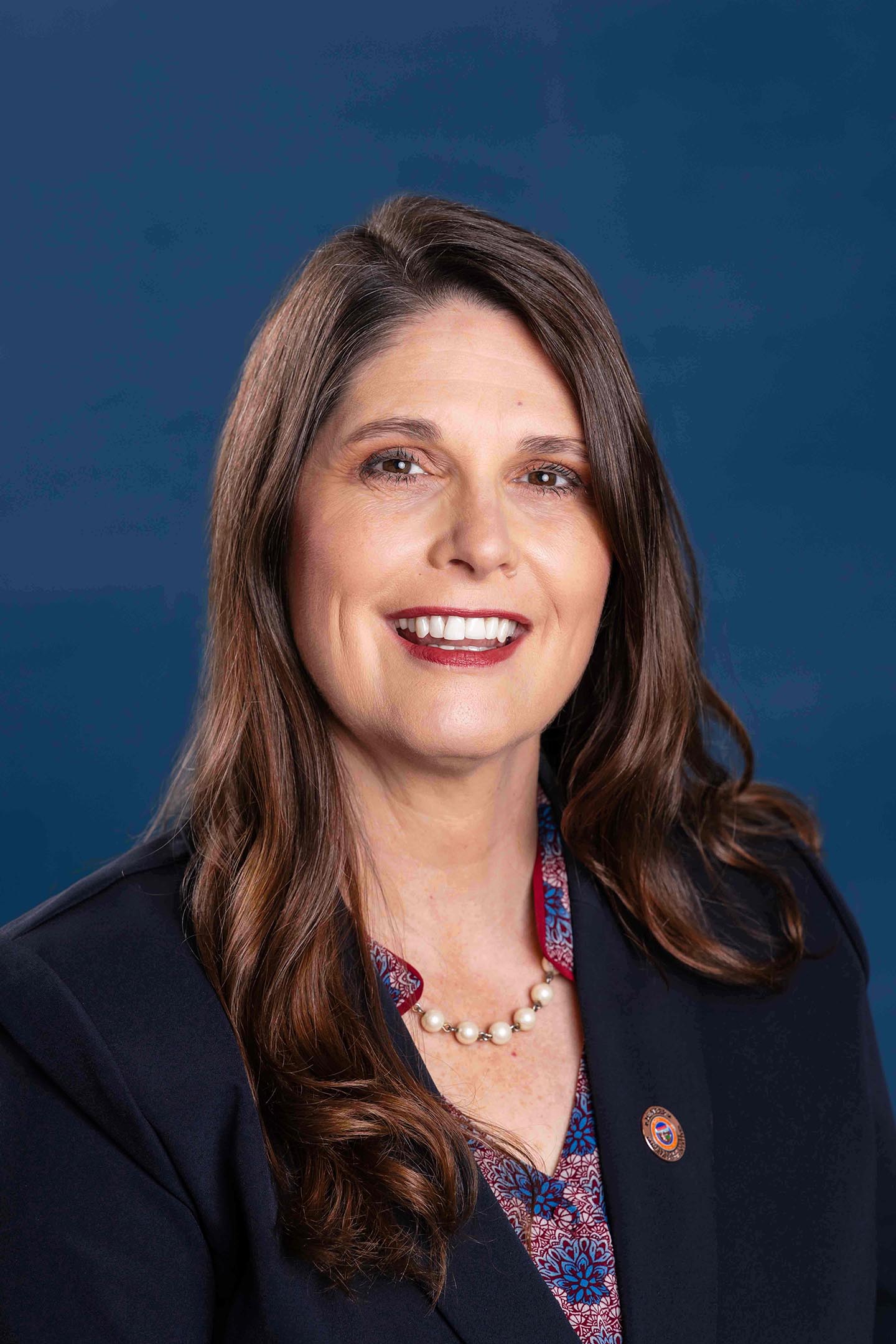
Rep. Stephanie Stahl Hamilton
Sponsored bills
Maddy summaryHB 2742, the Arizona CROWN Act, prohibits employment and school discrimination based on "protective hairstyles" like braids, locks, or twists. It makes it illegal for employers, training programs, and schools (from nursery through postgraduate) to discriminate against individuals due to their hairstyle, race, or ethnicity. The law defines "protective hairstyle" broadly and explicitly ties it to race and ethnicity protections, including historically associated traits like hair texture. This directly affects employees and students in Arizona workplaces and educational institutions.
Maddy summaryHB 2709 limits landlord fees and requires clearer rental disclosures in Arizona. Landlords cannot charge for background checks if renters provide their own credit reports, may not charge more than the actual screening cost, and cannot charge multiple application fees within a year. Landlords must provide written disclosures before tenancy, including all mandatory fees, rent amounts, due dates, and optional costs (like trash valet or smart device upgrades), and include these details in all rental ads and websites. This directly affects Arizona landlords and renters by reducing unexpected costs and increasing transparency in rental agreements.
Maddy summaryHB 2567 requires online lodging platforms (like Airbnb or Vrbo) to verify that listed properties comply with all local laws before offering them for rent in Arizona. Platforms failing this verification face $250 civil penalties per day per violation. Cities, towns, and counties can enforce this rule, collect penalties, and report violations to the state tax department. The bill directly affects online lodging platforms and property hosts by mandating compliance checks before listing rentals.
Maddy summaryHB 2563 repeals two Arizona statutes (9-500.38 and 11-269.16) and modifies Section 44-1648 to clarify that while the state preempts statewide registration of scrap metal dealers, local governments (cities, towns, counties) may still enforce business licensing systems that include background checks or fingerprinting for owners. The bill ensures scrap metal dealers with valid licenses issued before September 13, 2013, remain compliant without needing to reapply, unless an event triggers a required amendment under local rules. It directly affects scrap metal dealers operating in Arizona by standardizing licensing requirements between state and local authorities. The bill focuses on regulatory clarity rather than creating new policy, maintaining existing license validity while allowing local background checks.
Maddy summaryHB 2524 repeals Arizona Revised Statutes Section 13-3605, which previously regulated advertising related to abortion services and conception. This procedural bill removes a specific advertising rule governing how abortion-related information could be promoted. It does not create new requirements but eliminates an existing statutory provision. The bill is currently in early legislative stages (House first and second readings as of January 20-21, 2026).
Maddy summaryHB 2528 establishes new rights for Arizonans seeking fertility care, including the right to access treatments like IVF without unreasonable restrictions, continue ongoing treatments, and control their embryos, eggs, or sperm. It also affirms health care providers' rights to perform fertility treatments and insurers' rights to cover them. The law requires health authorities to create rules supporting these rights within one year. This bill directly affects individuals pursuing fertility care, clinics offering such services, and health insurance companies.
Maddy summaryHB 2559 requires Arizona health insurance plans (including hospital service corporations, health care organizations, and disability insurers) to cover behavioral health services - such as mental health and substance use disorder treatment - starting January 1, 2027. The bill mandates insurers to provide out-of-network coverage with cost protections if in-network providers aren’t available within specific timeframes: 30 days for routine care, 7 days for residential care, and 24 hours for emergencies. Patients cannot pay more than their in-network copay, coinsurance, or deductible for these services, and insurers must document out-of-network payments for state review. This directly affects millions of Arizonans with insurance coverage for behavioral health needs.
Maddy summaryHB 2522, the "Arizona Right to Contraception Act," establishes a legal right for Arizonans to access contraceptives and contraception-related information, and for healthcare providers to offer these services. It prohibits state or local restrictions that single out contraceptive services, impede access, or interfere with a provider's ability to deliver care. The bill explicitly clarifies it does not override existing requirements for voluntary, informed consent in sterilization procedures. This law directly affects individuals seeking reproductive healthcare and healthcare providers who offer contraceptive services across Arizona.
Maddy summaryHB 2711 modifies how Arizona allocates unclaimed property funds, such as abandoned bank accounts and stocks, that would otherwise go to the state general fund. It directs 55% of these funds to the housing trust fund, with 40% of that portion (22% of total funds) specifically reserved for rural housing development. The bill also specifies that $2 million goes to a trust fund for housing the seriously mentally ill, $2.5 million to the general housing trust fund, and $24.5 million to the department of revenue's administrative fund. This policy change affects state fund distribution without directly altering individual rights or services.