

Maddy summaryHB 4123 establishes Arizona's "Homeless Persons' Bill of Rights," guaranteeing homeless individuals equal access to public spaces, services, employment, medical care, voting, and privacy protections without discrimination based on housing status. It explicitly prohibits charging homeless people with public sleeping or sitting offenses when no shelter space is available, amending criminal law to remove such liability under those conditions. The bill directly affects homeless residents in Arizona by legally protecting their right to use public areas, receive services, and maintain privacy through confidentiality safeguards. Key provisions include banning discrimination in voting documentation, requiring shelter confidentiality, and ensuring reasonable privacy for personal property.
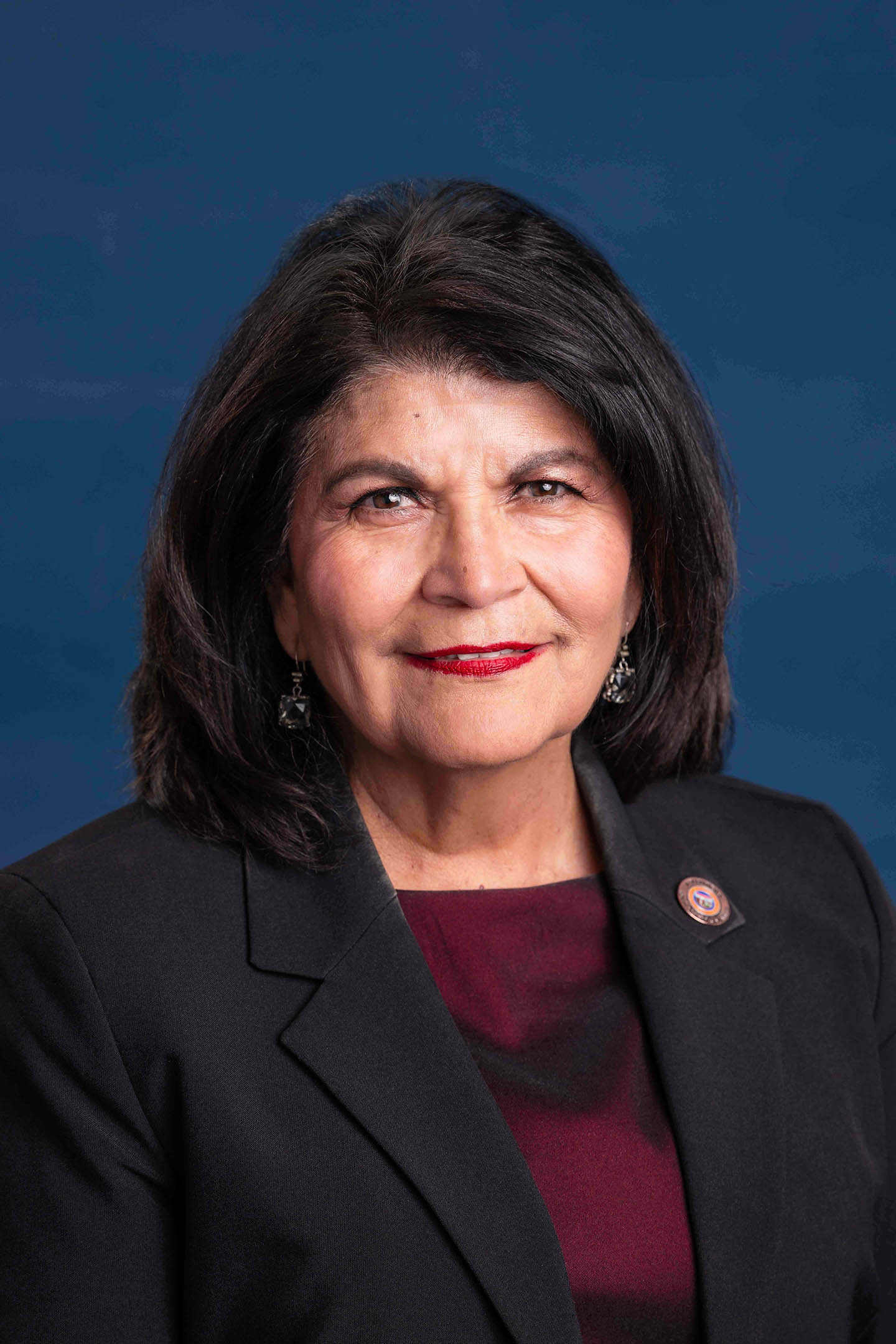
Rep. Betty Villegas
Sponsored bills
Maddy summaryHB 4091 creates a grant program to provide funding to tribal governments on reservations located in Arizona counties with fewer than 500,000 residents. The grants can be used for hiring or retaining law enforcement officers, purchasing communication equipment, funding IT upgrades, or covering costs related to investigating turquoise alerts. The bill appropriates $10 million from the state general fund for fiscal year 2026-2027 to establish the Tribal Government Rural Law Enforcement Enhancement Fund, with no more than $100,000 annually allowed for administrative costs. The department administering the program must submit annual reports to the legislature by December 1st starting in 2027, detailing the program's effectiveness and improvement recommendations.
Maddy summaryHB 4126 establishes Arizona's state-run retirement savings program, targeting private-sector employees without access to employer-sponsored retirement plans (excluding government workers, railroad employees, and those in existing tax-qualified plans). The bill creates an Arizona Retirement Savings Board to manage the program, allowing workers to contribute to individual retirement accounts (IRAs) through automatic payroll deductions. Key provisions include requiring the Board to develop investment policies, partner with private administrators, and ensure federal tax compliance for the program. The title references "appropriation" as future funding would be authorized separately, but the bill itself only sets up the program framework.
Maddy summaryHB 4090 amends Arizona's liquor licensing law to clarify requirements for issuing and transferring spirituous liquor licenses. It creates a rebuttable presumption that public convenience and community interest were established when an existing licensed location applies for a new license (unless challenged with evidence), and requires businesses to notify the state liquor director within 30 business days of any ownership or control change. The bill mandates a preinvestigation to verify qualifications for ownership transfers and allows local governments (cities, towns, or counties) to review applications and provide recommendations within 60 days. This affects bars, liquor stores, and other businesses holding spirituous liquor licenses, as well as local governments overseeing license applications.
Maddy summaryHB 4095 establishes the Classroom Site Fund to provide additional resources for Arizona public schools, using existing state transfers (not an additional tax). It requires school districts and charter schools to use these funds for specific purposes like class size reduction, teacher compensation (with a performance component), and student support services. School districts must adopt a performance-based teacher compensation system that includes metrics such as academic progress, attendance, and graduation rates, and obtain approval from at least 70% of eligible teachers. Annual reporting on fund usage and program outcomes is also mandated for all recipients.
Maddy summaryHB 4072 requires tattoo artists and body piercing professionals in Arizona to register with the state board. The bill defines "tattoo artist" as someone who practices tattooing (placing ink under the skin) and "piercing professional" as someone who practices body piercing (making permanent skin holes). It establishes fees for registration, including a $100 initial application fee and a $100 renewal fee every two years. This requirement applies to anyone providing these services for compensation in Arizona.
Maddy summaryHB 4122 amends Arizona landlord-tenant laws to clarify tenant rights and landlord obligations. It requires landlords to provide tenants with at least nine months' notice before rent increases for year-long leases or long-term tenants, and prohibits charging fees for background checks if tenants provide their own credit reports. The bill also mandates upfront written disclosure of all rent amounts, mandatory fees, and property management details before tenancy begins. Additionally, it establishes procedures for authorized persons to retrieve tenant property or animals if a tenant dies or becomes incapacitated, with specific timelines for property removal.
Maddy summaryHB 4089 requires contractors working on Arizona state service contracts (covering retail, food, hotel, janitorial, and healthcare services) to offer jobs to employees of the previous contractor within 10 days of taking over. It mandates a 90-day transition period during which contractors must retain eligible workers based on seniority, provide written job offers with a 10-day response window, and maintain a hiring list for remaining positions. The bill bars contractors from retaliating against employees who report violations or help investigate compliance. It directly affects workers in covered service sectors who performed at least 12 months of qualifying work under the previous contract, excluding managers and airline staff.
Maddy summaryHB 4075 automatically restores voting rights to individuals released from prison after a felony conviction in Arizona, eliminating the need for a separate application (via new Section 13-926). It also establishes automatic restoration of most civil rights (like jury service and firearm possession, excluding certain violent offenses) for first-time felony offenders upon completing probation and paying victim restitution (Section 13-907). The bill prohibits state employment discrimination based solely on prior felony or misdemeanor convictions, except for law enforcement roles (Section 13-904). These changes apply to individuals convicted of felonies in Arizona or other jurisdictions, with specific exceptions for dangerous or serious offenses regarding firearm rights.
Maddy summaryHB 4057 requires social media platforms operating in Arizona to implement specific privacy protections for minors under 18 who use their services. Platforms must establish high-privacy settings, allow minors to opt out of unnecessary personal data collection, and prohibit targeted advertising based on minors' personal information (only permitting age/location targeting). The law defines "minor" as under 18 residing in Arizona and excludes certain services like email, educational tools, or news platforms from its scope. The Arizona Attorney General has exclusive enforcement authority, and the bill does not allow private lawsuits for violations.