

Maddy summaryHB 2247 appropriates $1 million from Arizona's state general fund to the University of Arizona for a health study on PFAS chemicals. The study will test blood levels of perfluoroalkyl and polyfluoroalkyl substances (PFAS) in Arizona residents who receive drinking water from private wells or public systems contaminated with PFAS above federal safety limits. It directly affects individuals using water sources with PFAS exceeding U.S. Environmental Protection Agency standards. The bill mandates the university to conduct this specific health assessment using state funding. This is a funding measure, not a regulatory change, focused on gathering data on exposure.
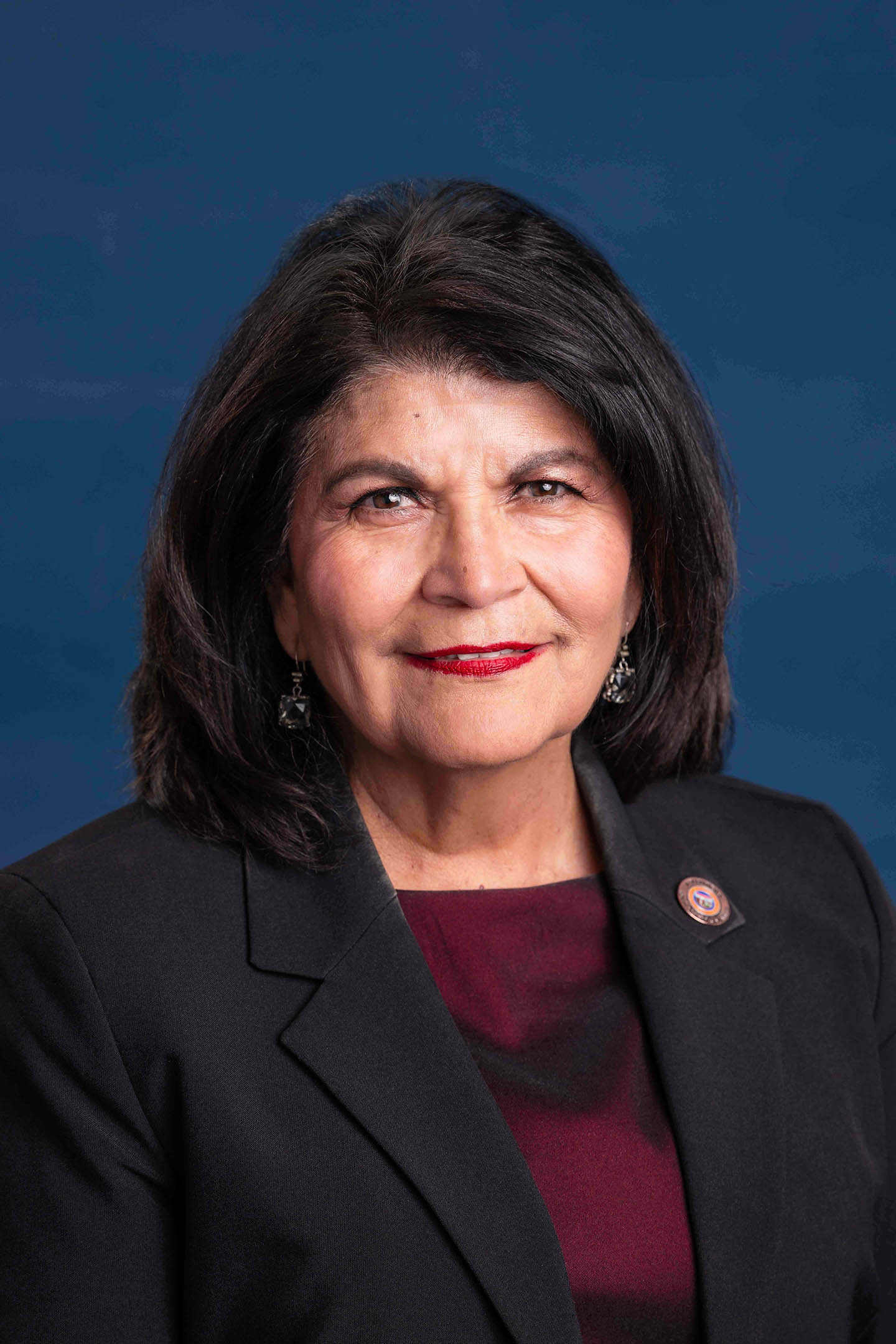
Rep. Betty Villegas
Sponsored bills
Maddy summaryHB 2756 modifies Arizona's landlord-tenant eviction procedures. It requires landlords to wait seven days after a court judgment before issuing an eviction order, and mandates 24 hours' notice to tenants before enforcing the eviction. The bill also clarifies that tenants who remain in property after an eviction order without permission face criminal trespass charges. Additionally, it updates rules for tenant lease violations, stating that false information on rental applications (like income or occupancy details) makes the breach non-remediable, allowing immediate eviction. This affects all Arizona landlords and tenants involved in nonpayment or lease violation cases.
Maddy summaryHB 2242 limits municipal authority over utility provider choices for new construction. It prohibits cities and counties from denying building permits based on the proposed utility provider (water, wastewater, gas, or electric) or charging higher fees for specific providers. The bill requires equal treatment of all authorized utility providers and bans municipalities from requiring business licenses as a permit condition. It also prevents municipalities from forcing subsequent owners to obtain permits for prior unpermitted construction, except for health/safety violations. The law repeals conflicting prior statutes (ARS 9-810 and 11-867) to clarify statewide standards for building permits.
Maddy summaryHB 2240 amends Arizona laws to clarify and strengthen private citizen lawsuits for environmental violations. It allows people directly harmed by breaches of water or air quality rules to sue polluters, government agencies, or the director, but requires a 120-day notice period for water cases (Section 49-264) or 60 days for air cases (Section 49-407) before filing. The bill prevents duplicate lawsuits by blocking citizen suits if the state is already enforcing violations, and permits courts to award attorney fees to successful plaintiffs while directing penalty funds to specific environmental funds. This creates a clearer legal pathway for citizens to enforce environmental protections without duplicating government enforcement efforts.
Maddy summaryHCR 2050 is a proposed constitutional amendment that would establish annual spending limits for Arizona school districts and community colleges. It requires the Economic Estimates Commission to calculate each year’s spending cap by adjusting 1979-1980 local revenue expenditures for changes in student population and cost of living, then applying a 10% multiplier. The amendment excludes specific funding sources (like bond proceeds, federal grants, and tuition) from the cap calculation. If approved by voters, this would limit total school district spending growth unless the legislature passes a two-thirds vote concurrent resolution allowing an exception. The bill is currently in early legislative stages (House first/second reading) and requires voter approval to take effect.
Maddy summaryHB 2510 creates a program to fund curbside composting in Arizona cities by establishing a dedicated "municipal composting program fund." This fund will receive money from fees on imported hazardous waste (waste classified as hazardous where generated but not in Arizona) and use it to award grants to eligible municipalities for composting programs. The bill requires the state to adopt rules setting eligibility for grants and managing the waste fees. It also establishes new rules for handling imported hazardous waste, including its transportation, treatment, storage, and disposal.
Maddy summaryHB 2777 repeals Section 15-911 of Arizona law and amends Section 15-1285 to exempt school districts and career technical education districts from budgetary, expenditure, and revenue control limits when using certain state funds. This means these districts can spend funds received under specific programs without being constrained by the usual spending caps that apply to other local revenues. The bill also modifies how county expenditure limits are calculated, including annual adjustments based on GDP changes for construction projects and justice of the peace compensation. The primary effect is to provide greater flexibility for school districts in managing state-funded programs.
Maddy summaryThis bill repeals two Arizona law sections (ARS 9-500.36 and 11-269.14) that previously required specific energy-related reporting. It removes these reporting obligations from state law without creating new requirements. The bill directly affects entities that would have been subject to those reporting rules. As a procedural repeal, it makes no new policy changes but eliminates existing administrative requirements.
Maddy summaryHB 2249 amends Arizona's water quality laws to update the state's regulatory framework for discharges into protected waters. It requires the director to adopt rules creating a permit program for point-source discharges into "WOTUS" (Waters of the United States) that aligns with federal Clean Water Act standards, while establishing specific exemptions for agricultural activities (like farming, ranching, and irrigation maintenance), recharge projects, and existing water infrastructure. The bill also mandates rules for nonpoint source pollution control, aquifer protection permits, and reclaimed water reuse, with fees collected for permits deposited into a dedicated water quality fund. These changes directly affect businesses, farms, and water management entities that discharge pollutants into Arizona's waters.
Maddy summaryHB 2710 allocates $15 million from Arizona's state general fund for fiscal year 2025-2026 to help tribal governments open or reopen assisted living facilities and nursing homes on tribal lands. The funds must be distributed proportionally across northern, central, and southern regions of Arizona, with at least $1.5 million specifically reserved for the Hopi Tribe and $1.5 million for the Navajo Nation. This funding directly supports tribal governments in expanding or restoring elder care services for tribal communities. The bill establishes concrete financial mechanisms to address infrastructure needs at tribal facilities without altering eligibility or service standards.