

Maddy summaryHB 2737 regulates chatbot providers in Arizona by requiring explicit user consent before using personal data or chat logs. It prohibits providers from processing personal data for chatbot outputs without affirmative consent, using chat logs to target advertisements, or processing minors' data without parental consent. The law mandates that consent requests must be clear, stand-alone, accessible to people with disabilities, and offer an equally prominent option to decline. Chatbot providers must also obtain separate consent to use adult users' data for training or profiling beyond fulfilling specific user requests. This directly affects companies developing or deploying chatbots within Arizona, imposing new data privacy requirements.
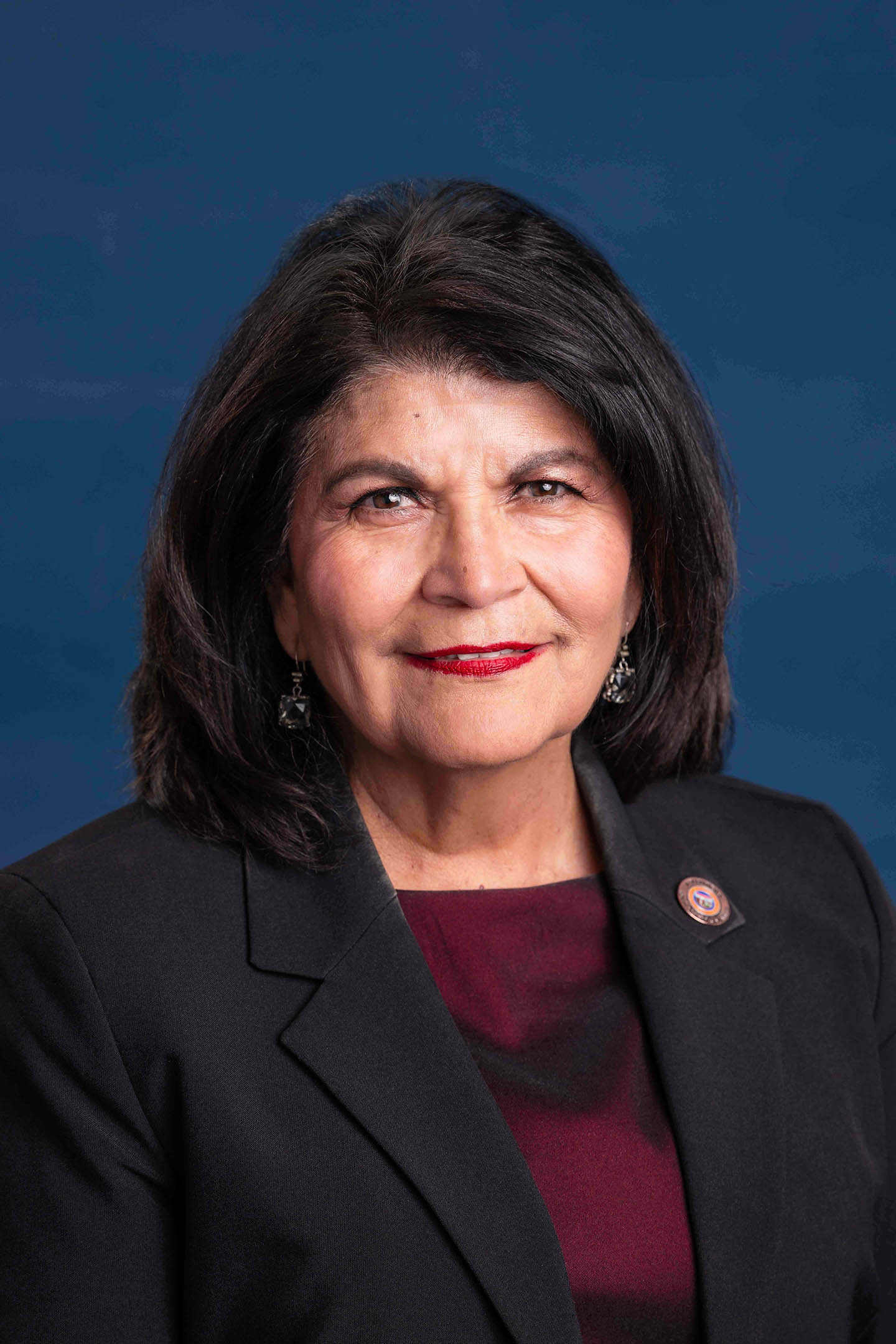
Rep. Betty Villegas
Sponsored bills
Maddy summaryHB 2718 establishes a new annual rent increase cap for most Arizona rental properties, limiting increases to the annual consumer price index (CPI) plus 3% (capped at a maximum 7% total increase per year). This applies to landlords after the first 36 months of a newly built property’s occupancy. The law requires the Arizona Department of Housing to calculate permissible increases, accept tenant complaints about violations, and refer cases to the attorney general for enforcement. It also includes provisions for landlords to handle tenant property or animals if a tenant dies or becomes incapacitated, requiring updated contact information for authorized retrieval.
Maddy summaryHB 2578 amends Arizona law to add a new provision (Section 13-3102, subsection 17) making it a crime for an adult to fail to take reasonable measures to prevent a minor from accessing a firearm. This directly affects parents, guardians, or anyone responsible for minors who have firearms in their care. The key mechanism requires adults to secure weapons so minors cannot access them, with penalties for negligence in this duty. The law does not prohibit firearm ownership but targets preventable access by children through specific safety measures. (This summary focuses solely on the policy change described in the bill text.)
Maddy summaryHB 2648 allocates $160 million from Arizona's general fund for child care assistance through the Department of Economic Security during fiscal year 2026-2027. This funding directly supports families using state child care assistance programs by ensuring consistent financial resources for providers. The bill also specifies that these funds are exempt from standard appropriation lapsing rules, meaning the money won't expire if not fully spent by the end of the fiscal year. As a funding measure, it does not change eligibility rules or program structure but secures dedicated resources for existing child care services.
Maddy summaryHB 2565 requires Arizona landlords to provide tenants in writing, at the start of a lease, with details about property management, ownership, and the state's landlord-tenant laws (available on the Arizona Department of Housing website). It also mandates that landlords include eviction prevention resources - such as the website azcourthelp.org or local assistance services from the Department of Economic Security - in any written notice of lease violations or nonpayment. These requirements apply directly to all residential landlords and tenants in Arizona, aiming to improve transparency and access to support. The bill does not change existing tenant or landlord obligations but adds specific disclosure rules to existing law.
Maddy summaryThis bill updates Arizona's child care assistance program rules to expand eligibility and clarify income thresholds. It directly affects low-income families transitioning from cash aid, foster care children, families facing crises (like domestic violence or homelessness), and parents pursuing education or job training. Key changes include setting income limits (assistance ends if income exceeds 165% of the federal poverty level or 85% of state median income), prioritizing families at or below 100% of the federal poverty level, and allowing child care support while parents complete education programs related to employment. The department manages funding through waiting lists and priority categories based on income levels.
Maddy summaryHB 2293 repeals Section 34-321 of Arizona law and amends Section 40-360.06 to eliminate a requirement that project labor agreements be included in environmental approval for facilities like power plants or transmission lines. This affects developers and contractors seeking environmental compatibility certificates, as they will no longer need to negotiate or sign such agreements to obtain approval. The key provision explicitly prohibits committees from conditioning approval on project labor agreements, neutrality agreements, or related labor terms, while preserving private collective bargaining and federal labor protections. The bill streamlines the approval process by removing this specific labor-related condition from environmental reviews.
Maddy summaryHB 2469 establishes a temporary committee to study how to train retail and lodging employees to identify and respond to human trafficking victims in both urban and rural areas. The committee, composed of 16 members including legislators, state agency representatives, chamber of commerce leaders, academic experts, healthcare providers, and tribal community members, must evaluate training methods and submit a report to state leaders by June 30, 2028. The committee expires December 31, 2028, with no immediate policy changes enacted.
Maddy summaryHB 2463 creates a task force to study employee misclassification and payroll tax fraud specifically in Arizona's construction industry. The task force, composed of state agency representatives (including the Industrial Commission, Department of Insurance, and Contractor Registrar), will examine revenue losses, enforcement gaps, and prevention strategies. It must report annually to state lawmakers starting in 2028, including recommendations on improving investigations, public awareness, and interagency cooperation. The bill does not change current laws but aims to inform future policy based on the task force's findings.
Maddy summaryThis resolution proposes repealing Arizona's constitutional "right to work" provision (Article XXV), which currently prohibits requiring union membership as a condition of employment. If approved by voters, it would remove this constitutional protection, altering Arizona's labor law framework. The measure will be submitted to voters at the next general election as required by state law.