

Maddy summaryHB 2481 requires municipalities in Arizona to verify adequate water supply before approving new housing subdivisions. It mandates that developers submit a "certificate of assured water supply" from the state water resources director (for areas with water scarcity) or a written commitment from a water provider with adequate supply. This applies to all new subdivisions within designated water management areas and, if the state issues a water notice, to subdivisions outside those areas as well. The requirement must be included on the subdivision plan before final approval, directly affecting developers and local planning departments.
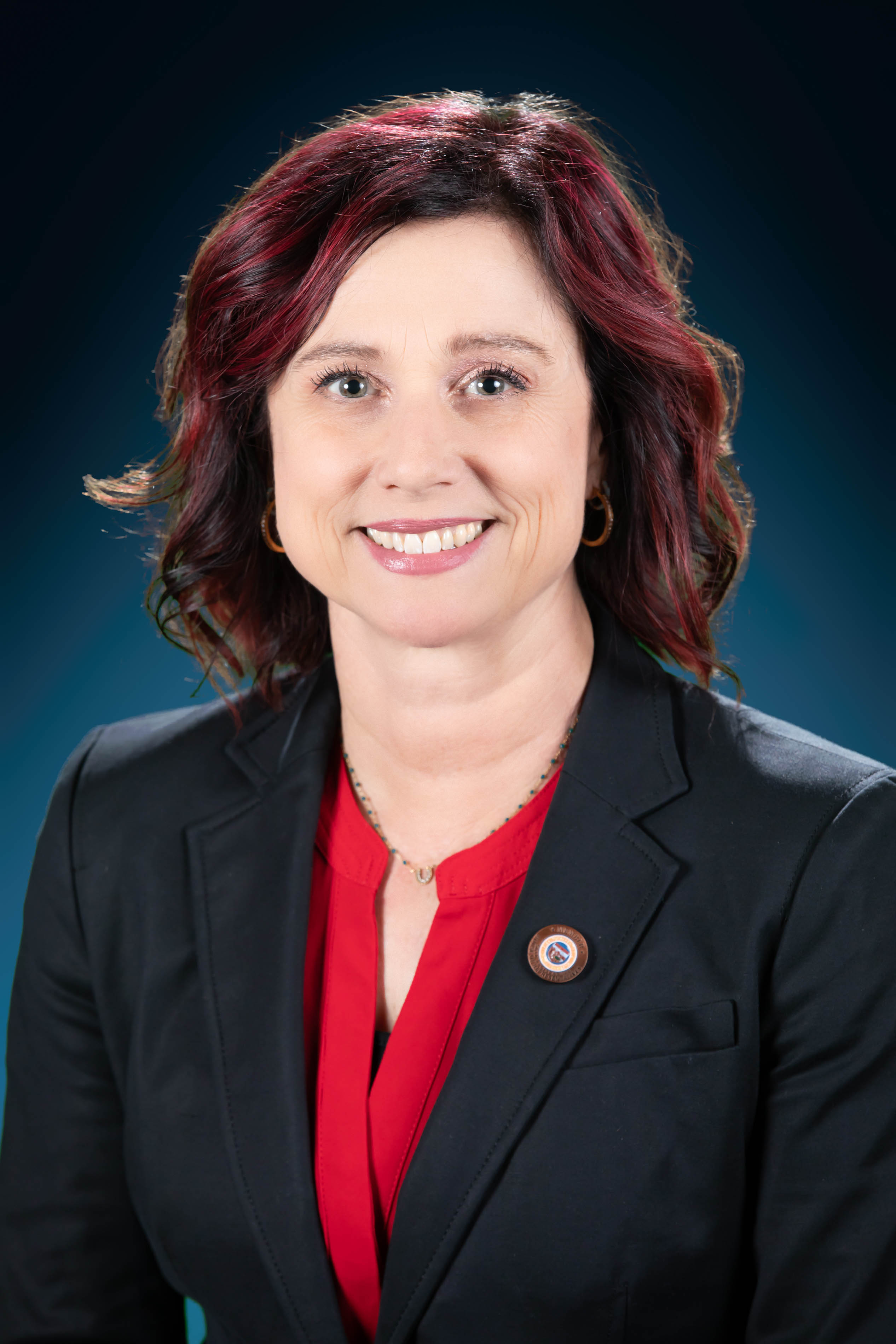
Rep. Nancy Gutierrez
Sponsored bills
Maddy summaryHB 2593 requires Arizona school districts to offer preschool educational programs for children with specific disabilities (including hearing, visual, developmental delays, or speech impairments) who reside within the district. Charter schools may choose to provide these programs. The bill mandates that districts evaluate children before admission and specifies that these preschoolers count as half a full-time student for funding purposes. It also directs the state board to distribute 10% of federal funds for preschool disability programs to school districts and charters that choose to participate. This bill directly affects preschool children with disabilities and school districts managing their educational services.
Maddy summaryThis bill extends early voting hours in Arizona to 7:00 p.m. on both Saturday and Sunday before elections. It also creates a specific emergency voting window from Friday 5:00 p.m. to Monday 5:00 p.m. before elections, requiring voters to show ID and sign a sworn statement confirming an emergency. These changes apply to all voters requesting early ballots, including options to update voter registration at early voting locations. The bill modifies existing election procedures to provide more flexibility for voters facing scheduling conflicts or emergencies.
Maddy summaryHB 2474 allows Arizona counties to establish voting centers - physical locations where any voter in the county can cast a ballot on election day, regardless of their specific precinct. County boards of supervisors must formally approve these centers through a resolution, ensuring they follow existing identification rules and maintain adequate polling locations. The bill also permits emergency voting centers during elections if approved by the board, and allows counties to create early voting drop-off centers for returning ballots. This directly affects county election officials and voters, streamlining access to polling locations without requiring voters to go to a precinct-specific site.
Maddy summaryHB 2292 requires Arizona health insurers (including hospital service corporations, health care services organizations, and disability insurers) to cover specific cancer-related genetic services starting January 1, 2026. It mandates coverage for genetic counseling, testing, and risk assessment for individuals with a personal or family history of cancer or inherited genetic mutations, based on National Comprehensive Cancer Network guidelines. This includes testing for genes linked to breast, ovarian, prostate, and Lynch syndrome cancers, with no deductibles or cost-sharing required. The bill directly affects Arizona residents with health or disability insurance who qualify for these services due to their cancer risk profile.
Maddy summaryHB 2285 prohibits Arizona state agencies and local governments from requiring public works contractors to sign neutrality agreements, project labor agreements, or contribute to apprenticeship programs as a condition of winning or performing public construction, repair, or improvement contracts. It directly affects contractors working on public projects (like roads or buildings) and state/local entities that issue these contracts. The bill amends Arizona law to remove these requirements from public works contracts and environmental review processes, while clarifying that private collective bargaining remains permitted. This changes the standard for public contract terms by banning specific labor-related conditions imposed by public entities.
Maddy summaryHB 2471 amends Arizona election law to establish procedures for emergency voting centers during elections. County election boards may authorize these centers via recorded vote for specific elections, specifying their hours and locations. Voters at emergency centers can update registration information (as allowed by state instructions) and must present ID, similar to regular polling places. This provision ensures continued voting access if regular polling places become unavailable, without changing standard early voting hours or expanding regular voting options.
Maddy summaryHB 2212 requires court approval for contracts involving unemancipated minors performing artistic or creative services (such as acting, music, or writing) in Arizona, effective January 1, 2026. It mandates that employers set aside 15% of a minor’s gross earnings into a trust account, with a parent or guardian typically serving as trustee, and requires annual financial accounting. The bill directly affects minors in entertainment careers, their parents/guardians (as fiduciaries), and employers hiring them for artistic roles. Key provisions include employer deposit deadlines (15 business days), trust oversight responsibilities, and court authority to modify trust terms upon request. This policy change ensures earnings from artistic work are protected in a trust, separate from other family finances.
Maddy summaryHB 2361 requires Arizona employers at large warehouse distribution centers (with 100+ employees at one site or 500+ across sites) to provide warehouse employees with written, plain-language descriptions of all performance quotas within 30 days of hire. The bill bans quotas that measure time intervals shorter than one day, rank employees against each other, or prevent compliance with meal/bathroom breaks, and mandates that employers include rest/bathroom time in productivity calculations. Employers must also maintain records of work speed data and quota descriptions for three years and disclose the specific quota and data used if taking adverse action for missing a quota. This directly affects warehouse employees in Arizona’s distribution centers who work under performance targets.
Maddy summaryHB 2466 clarifies that candidate committees in Arizona may legally use campaign funds to cover direct caregiving expenses for a candidate’s child or other dependent they personally care for, such as childcare costs. This specifically affects candidates with caregiving responsibilities who use committee funds for these essential needs. The bill amends Arizona’s campaign finance law (ARS § 16-921) to explicitly list caregiver expenses as an exempt expenditure, aligning with existing rules. The legislature states this is a clarifying change, not a substantive policy shift. It does not expand exemptions beyond this specific provision.