

Maddy summaryHB 2525 repeals existing Arizona law requiring abortion providers to submit specific reports to the state. It directly affects abortion providers who previously had to file these reports under Title 36, Chapter 20, Article 2 of the Arizona Revised Statutes. The bill removes this reporting obligation, eliminating a requirement that had been in place for providers. This is a procedural repeal with no new policy changes, simply removing an existing administrative duty.
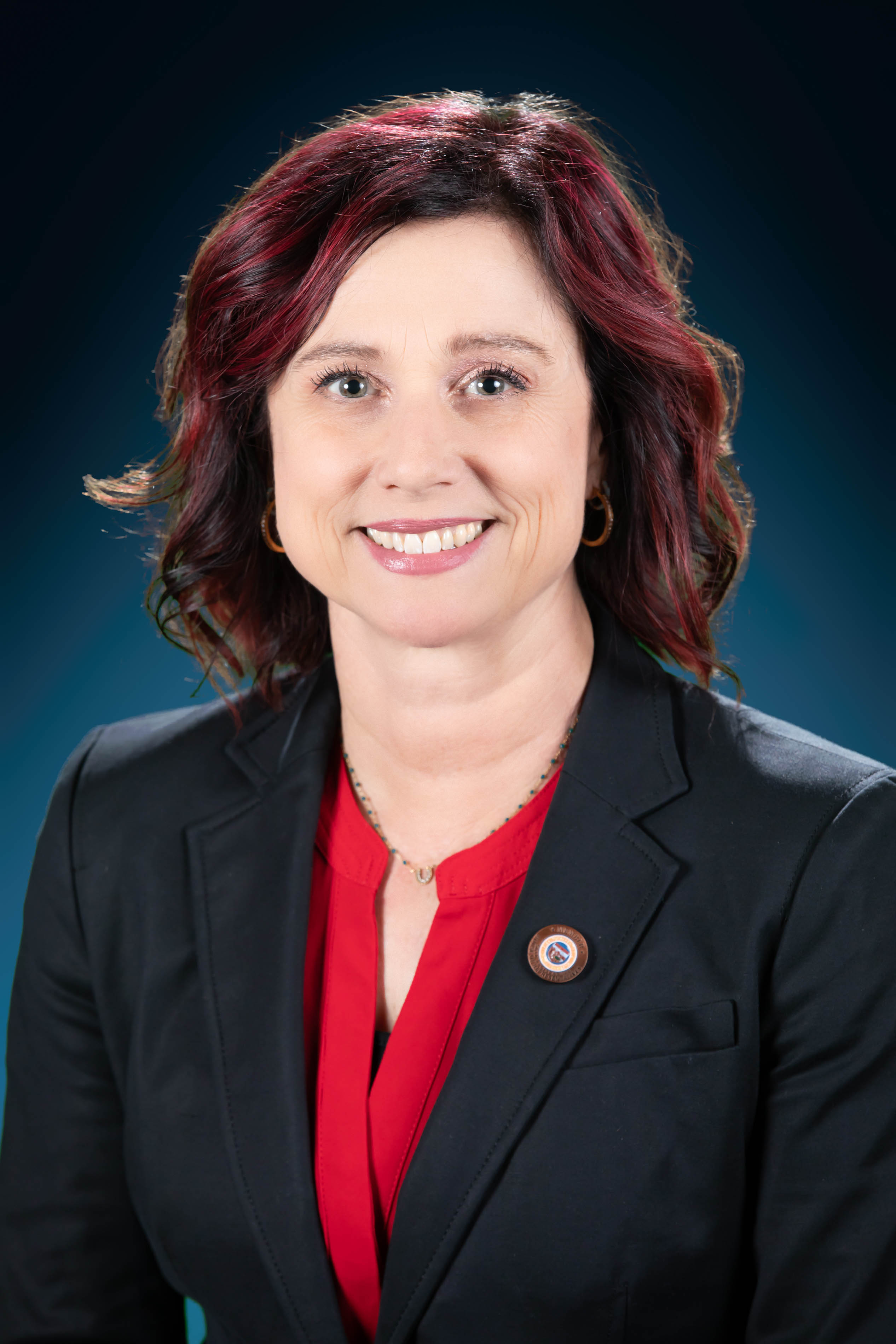
Rep. Nancy Gutierrez
Sponsored bills
Maddy summaryHB 2710 updates Arizona's eviction rules by clarifying when landlords can legally terminate leases. It requires landlords to give tenants 10 days to fix most lease violations (like unpaid rent) or 5 days for health/safety issues, but allows immediate eviction for serious, irreparable breaches like violent crimes, drug activity, or property destruction. Crucially, for tenants who have lived in a unit 12+ months, landlords must either waive one month’s rent or provide relocation assistance when terminating for reasons like nonpayment, lease breaches, or the landlord moving in. The bill also specifies that tenants are responsible for guests’ lease violations they could reasonably prevent.
Maddy summaryHB 2390 requires court approval for contracts involving unemancipated minors (under 18) working in artistic or creative roles like acting, music, or online content creation. It mandates that 15% of a minor’s gross earnings be placed into a trust account managed by a parent or guardian (unless the court appoints another trustee), with employers depositing these funds within 15 business days. The bill also requires employers to provide documentation to financial institutions and establishes annual accounting requirements for the trust. This applies to all minors in the entertainment industry who enter contracts for artistic services, directly affecting minors, their parents/guardians, and their employers.
Maddy summaryHB 2650 creates a state-funded rainwater harvesting grant program in Arizona to support water conservation. It allows eligible homeowners, non-profits, or organizations focused on water conservation to apply for two types of grants: Level 1 for simple passive systems (reimbursing up to $500 for materials/labor), and Level 2 for complex active systems (reimbursing up to $2,000 based on tank size). The program excludes costs like pumps, irrigation systems, unlicensed labor, and landscaping materials. Funding for the program is appropriated from the state general fund for fiscal year 2026-2027.
Maddy summaryHB 2741 designates the third Tuesday in January each year as Arizona's "National Day of Racial Healing" for public observation. The bill specifies this day is not a legal holiday, meaning state offices and schools would remain open. It aims to encourage community reflection and dialogue on racial healing through state-level recognition, without imposing new legal requirements or funding. This is a symbolic, non-binding designation focused on raising awareness.
Maddy summaryHB 2651 establishes a voluntary "Blue Envelope Program" for drivers diagnosed with autism spectrum disorder in Arizona. Participants receive a standardized blue envelope (available in English and Spanish) containing their vehicle registration, insurance details, and communication tips for law enforcement during traffic stops. The program ensures confidentiality by prohibiting disclosure of participants' identities and requires collaboration between the state, University of Arizona, and community stakeholders to design the envelope's contents based on expert guidance. This directly affects individuals with autism spectrum disorder who drive, aiming to improve communication during police interactions.
Maddy summaryHB 2629 amends Arizona's corporate income tax law to increase the minimum tax for corporations with 50 or more employees from $50 to $1,000. Smaller corporations (fewer than 50 employees) remain subject to the $50 minimum tax. The bill also updates the tax rate schedule for corporate income (e.g., lowering rates from 6.968% to 4.9% over time), but the primary change is the higher minimum tax for larger businesses. This amendment applies to taxable years beginning after December 31, 2026.
Maddy summaryHB 2526 repeals Arizona Revised Statutes Section 36-2160, which previously regulated the mailing of abortion medication. This change removes a specific legal restriction on sending abortion pills by mail within Arizona. The bill directly affects individuals seeking medication abortion services by eliminating this mailing restriction under state law. (3 sentences)
Maddy summaryHB 2360 protects nonpublic schools that accept Arizona Empowerment Scholarship Account (ESA) funds by preventing them from being forced to change their religious, educational, or admissions policies. It prohibits these schools from requiring parents to disclose whether a student uses an ESA or the amount in their ESA account as a condition for enrollment. The bill also states that schools accepting ESA funds are not considered government agents and shifts the burden of proof to the state if a legal challenge arises over the law's application. This directly affects nonpublic schools participating in Arizona's ESA program and ensures parental privacy regarding scholarship usage.
Maddy summaryHB 2347 protects individuals who assist others during drug-related overdoses from criminal prosecution for drug possession or use. It requires people at overdose scenes to provide reasonable assistance (like calling 911) without endangering themselves, and shields both the helper and the overdose victim from charges related to the drug offense if medical help was sought. The law explicitly states that seeking medical assistance may be considered a mitigating factor in other criminal cases, while still allowing evidence collection and arrests for unrelated crimes. It defines "reasonable assistance" as contacting emergency services and "medical assistance" as care from licensed professionals.