

Maddy summaryHB 2702 establishes Arizona's "Solar for All" program to provide funding, technical assistance, and workforce support for low-income households and disadvantaged communities to access solar energy. The program, administered by the governor's office of resiliency, allocates funds for solar installations on homes and multifamily housing in disadvantaged areas, prioritizing projects that deliver at least 20% annual electricity bill savings and include local hiring commitments. Eligible households must earn ≤80% of the area median income, and the program prohibits utilities from charging extra fees to participants. Funds come from legislative appropriations, TPT distributions, and private sources, with grantees required to report annual outcomes like savings, emissions reductions, and job creation.
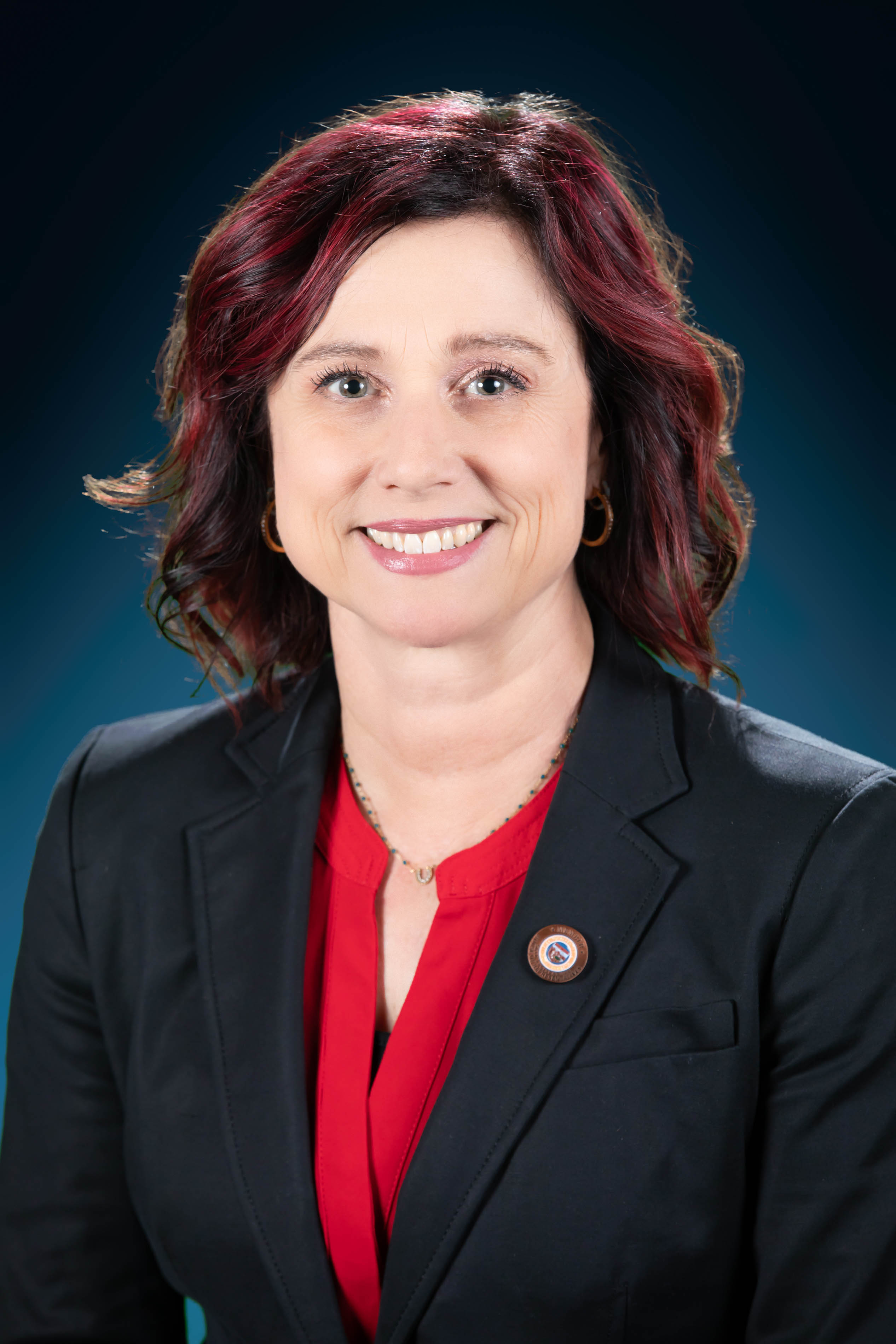
Rep. Nancy Gutierrez
Sponsored bills
Maddy summaryHB 2642 bans the distribution of pesticides containing PFAS (per- and polyfluoroalkyl substances) or certain fluorinated chemicals, and herbicides containing glyphosate, effective December 31, 2027. This directly affects pesticide manufacturers, distributors, and agricultural users who currently rely on these products. The key provision adds two new prohibitions to Arizona's pesticide regulations, targeting specific chemical classes known for environmental and health concerns. The law provides a clear effective date for these bans without immediate implementation.
Maddy summaryHB 2392 repeals Section 15-120.02 of the Arizona Revised Statutes, which previously addressed team designations related to biological sex. The bill does not create new policy but removes an existing statutory provision. It is currently in early legislative stages, having passed its first two readings in the House on January 20-21, 2026. This is a procedural repeal without direct impact on current laws or individuals, as it eliminates a prior statute rather than altering current regulations. The bill’s specific content prior to repeal is not detailed in the provided text.
Maddy summaryHB 2653 is a technical legislative bill that repeals specific Arizona statutes related to health care institution leasing (Sections 1-219, 13-3603.01, 13-3603.02, 13-3605, 15-115, 15-115.01, and 15-1630) and amends Section 15-1637. The bill directly affects nonprofit health care institutions operating under lease agreements with the Arizona Board of Regents, modifying provisions about property leasing, tax exemptions, bond issuance, and reporting requirements for these facilities. It does not address abortion access or policy; the title "abortion; repeals" appears to be an error, as the bill text contains no abortion-related provisions. The amendments clarify lease terms, financial reporting, and restrictions on acquiring additional health care properties.
Maddy summaryHB 2519 appropriates $100 million from Arizona's state general fund for fiscal year 2026-2027 to the existing Water Conservation Grant Fund established under Arizona Revised Statutes § 49-1331. This funding directly supports water conservation programs and projects, including grants for municipalities, water providers, and agricultural entities. The bill creates no new regulations or requirements but allocates state funds to advance existing water conservation efforts. The legislation is currently in early legislative stages, having undergone its first and second readings in the House.
Maddy summaryHB 2523 regulates strip searches and pat searches (frisks) of prisoners in Arizona state prisons. It requires that all such searches be conducted by a correctional officer of the same gender as the prisoner, except in emergencies where opposite-gender searches are allowed only with strict documentation. The bill mandates detailed logs including officer names, badge numbers, prisoner ID, and the reason for cross-gender searches, plus presence of a witness when possible. It also prohibits touching body parts during strip searches except for head inspections. This directly affects prisoners and correctional officers in Arizona Department of Corrections facilities.
Maddy summaryHB 2527 repeals Arizona Revised Statute § 36-3604, a specific provision in state law. This is a procedural bill that removes an existing legal section without creating new policy. The bill directly affects the statutory code by eliminating this particular section. It does not change any current laws or regulations, as it only removes a previously enacted provision. (1 sentence summary for procedural bill)
Maddy summaryHB 2685 allocates $5 million from a consumer restitution fund to provide three-year grants for up to three telehealth mental health providers serving Arizona K-12 schools. The grants fund providers who offer free, evidence-based mental health services (like therapy for anxiety and depression) via telehealth during school hours, coordinate with school staff, and serve all students regardless of insurance or payment ability. Providers must meet specific criteria, including not having received prior state funding for similar services and demonstrating capacity to serve diverse communities from urban to tribal schools. The funding is exempt from standard appropriation lapsing rules until June 2029. This bill directly affects Arizona public school students by expanding access to in-school mental health support through telehealth.
Maddy summaryHB 2520 (incorrectly titled "contraception; cost sharing prohibition") actually amends Arizona health insurance contract rules to require coverage for specific preventive services without cost-sharing. The bill mandates that health insurance contracts must cover preventive mammography screening and diagnostic imaging for breast cancer (including digital breast tomosynthesis and MRI) as recommended by medical guidelines, without requiring patient cost-sharing. It also requires coverage for maternity benefits related to legally adopted children under specific conditions (adoption within one year, payment of birth costs, etc.). The bill does not address contraception or cost-sharing for contraceptive services, as its title suggests. This is a coverage requirement for existing health insurance plans, not a new benefit.
Maddy summaryArizona's HB 2640 prohibits the distribution and use of fertilizers containing PFAS chemicals (perfluorooalkyl or polyfluoroalkyl substances, or fluorinated organic chemicals with two or more fully fluorinated carbon atoms) starting December 31, 2027. The bill directly affects fertilizer distributors and manufacturers who currently use these substances in their products. Key provisions require the director to ban such fertilizers after 2027 and establish enforcement mechanisms, including license cancellation and penalties for violations. This policy change specifically targets PFAS in agricultural fertilizers, with no exemptions specified.