

Maddy summaryHB 2497 establishes a study committee to examine health insurance costs for Arizona school district employees and their dependents. The committee, composed of appointed members including health insurance representatives, school district officials, teachers, and school board members, will analyze current insurance plans and costs. It must recommend affordable ways to maintain high-quality health coverage for educators and their families. The committee must submit its findings and recommendations to state leaders by November 1, 2026, and will be dissolved after October 31, 2027.
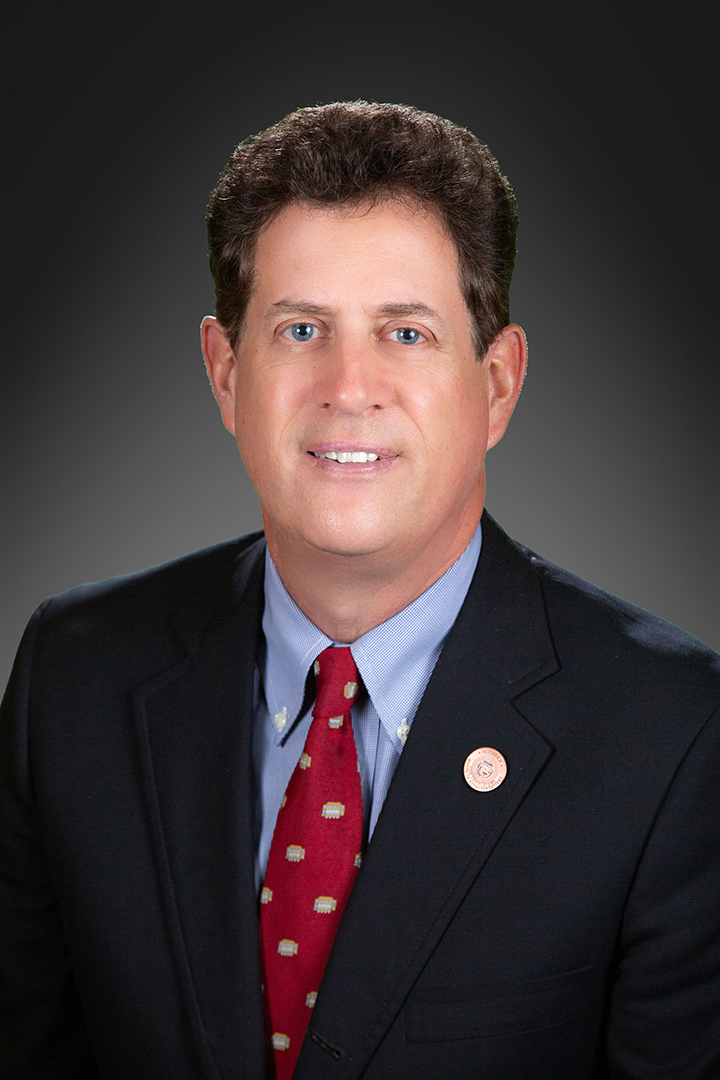
Rep. Chris Mathis
Sponsored bills
Maddy summaryArizona's HB 2252 amends Arizona Revised Statutes § 49-447 to require the state director to adopt vehicle emission rules for model year 2028 and newer vehicles that match California Air Resources Board standards, but only for standards the U.S. Environmental Protection Agency has granted California a waiver to use. This directly affects automakers selling new vehicles in Arizona and state agencies implementing emission rules. The bill mandates that the director notify state leadership (governor, legislative leaders, and secretary of state) about adopted rules and their alignment with California’s EPA-approved standards. It repeals an existing statute (§ 28-145) and ensures Arizona’s rules comply with federal Clean Air Act provisions.
Maddy summaryHB 2244 repeals Section 28-9204 of the Arizona Revised Statutes, which previously governed public funding for light rail projects. This is a procedural bill with no new funding or policy changes - it only removes an existing statutory reference. The bill does not affect any current light rail projects or allocate public monies. It is a technical repeal, not a substantive legislative action on transportation funding. The bill is currently in early committee stages (House First and Second Readings).
Maddy summaryHB 2357 requires landlords in Arizona to provide tenants with specific written information at the start of a tenancy, including the name and address of property managers, owners authorized to receive legal notices, and the website for Arizona's residential landlord-tenant laws. It also mandates that landlords include the website address for tenant assistance resources (like azcourthelp.org) or local eviction prevention services in all written notices related to lease violations or eviction proceedings. This bill directly affects landlords (who must provide these disclosures) and tenants (who gain clearer access to legal resources and support). The key change is adding mandatory inclusion of tenant assistance information in eviction-related notices, without altering core eviction procedures or tenant obligations.
Maddy summaryHB 2502 requires Arizona employers to provide employees with a 30-minute unpaid meal break after five hours of work (and an additional break after twelve hours), plus a paid 10-minute rest break for every four hours worked. It mandates 1.5 times regular pay for hours worked beyond eight in a workday (up to twelve hours) or the first eight hours on a seventh consecutive workday, and double pay for hours beyond twelve in a day or eight on the seventh consecutive workday. The bill applies to employers meeting the federal threshold of $100,000 annual sales or engaging in interstate commerce, ensuring Arizona’s labor standards align with the federal Fair Labor Standards Act. This directly affects most Arizona employers and their hourly workers by modifying break requirements and overtime compensation rates.
Maddy summaryHB 2501 repeals Arizona's right-to-work law (ARS 23-1302), which currently prohibits employers from requiring union membership or dues as a condition of employment. The bill also amends related statutes to remove references to the repealed law, including adjustments to civil liability for employment violations and protections against retaliatory termination. However, the bill will not take effect unless voters approve a constitutional amendment for right-to-work at the next general election. This repeal would directly affect workers, employers, and labor unions by eliminating a key restriction on union security agreements.
Maddy summaryHB 2531 creates a new "community college access and success" special license plate program for Arizona vehicle owners. Community college districts must pay a one-time $32,000 fee to the state to implement the program. Once approved, vehicle owners can purchase these plates for a $25 annual fee, with $17 of that amount donated to the community college district. The plates will feature a design similar to historic collegiate plates (pre-1993) and may be personalized with an additional fee.
Maddy summaryHB 2275 creates an income tax credit for property owners who substantially rehabilitate certified historic structures in Arizona, including buildings listed in the national or Arizona historic registers or located in registered historic districts. The State Historic Preservation Officer certifies projects meeting federal rehabilitation standards, demonstrating positive economic impact through a cost-benefit analysis, and achieving minimum points in a grading system focused on job growth and community support. The credit has an annual cap of $30 million (rising to $60 million by 2036), with 60% reserved for projects in communities under 150,000 residents, and requires a restrictive covenant from property owners to maintain historic character. Applications include fees based on project size, with larger projects needing CPA certification, and decisions must be issued within 90 days.
Maddy summaryHB 2359 prohibits healthcare professionals from providing conversion therapy to minors under 18, defining conversion therapy as any practice seeking to change a minor's sexual orientation or gender identity. The bill exempts clergy acting in a pastoral role and parents who are healthcare professionals acting as parents, not professionals. It also bans state and federal funds from being used for conversion therapy for minors, including through grants, contracts, or health benefits coverage. The law directly affects licensed therapists, state agencies, and entities receiving public funds by restricting both clinical services and financial support for this practice.
Maddy summaryHB 2509 restricts how regulated utilities (like electric and gas companies) can spend money paid by customers. It bans using ratepayer funds for political activities (including lobbying, campaign contributions, and political action committees), charitable giving, advertising, executive perks (like travel and gifts), and non-essential expenses such as litigation over regulations. The bill directly affects public service corporations regulated by Arizona's Corporation Commission and their parent companies or subsidiaries. Key provisions require these entities to stop using customer money for any political influence efforts or non-regulated business costs, and they must report any lobbying activities.