

Maddy summaryHB 2505 repeals specific Arizona law enforcement funding mechanisms and related provisions. It eliminates a $13 assessment on fines and penalties that previously funded the "gang and immigration intelligence team enforcement mission" (repealing Section 12-116.04) and removes sections defining smuggling penalties (repealing Sections 13-2928 and 13-2929). The bill also amends the smuggling statute to clarify definitions, including "family member" and "procurement of transportation," while maintaining penalties for smuggling humans under 18 or involving weapons. These changes directly affect law enforcement funding streams and the legal framework for prosecuting human smuggling cases.
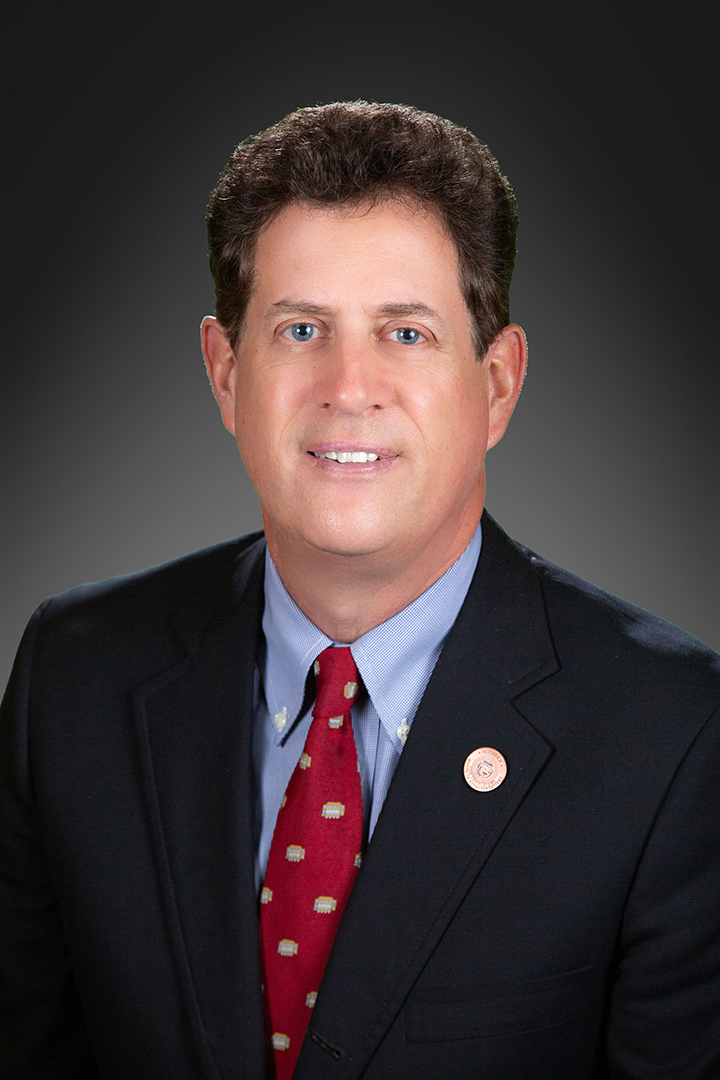
Rep. Chris Mathis
Sponsored bills
Maddy summaryHCR 2029 proposes repealing Arizona's constitutional "right to work" provision (Article XXV), which currently prohibits requiring employees to pay union dues as a condition of employment. If approved by voters, this change would remove a constitutional barrier that prevents employers and unions from mandating union membership or dues. The bill would require voter approval at the next general election, as specified in Arizona's Constitution. This proposal directly affects workers and unions in Arizona by potentially altering labor agreements regarding dues payment. The measure is currently in its first reading stage in the Arizona House of Representatives.
Maddy summaryHB 2360 restricts businesses from purchasing single-family homes in Arizona unless the property has been listed for sale for over 60 days or the asking price changes (which resets the clock). This law directly affects corporations or business entities seeking to buy residential properties. The key provision requires a mandatory 60-day market period before a business can purchase a single-family home, with price changes restarting the countdown. The bill aims to limit corporate buying in the residential housing market by creating a waiting period for such transactions.
Maddy summaryHB 2493 requires private education providers that accept Arizona empowerment scholarship funds to follow the same financial reporting and audit rules as public schools. These providers must submit financial data using the state's standard system, comply with annual achievement profile reporting, and undergo performance audits conducted by the auditor general. The bill directly affects private schools, tutoring services, or other educational entities receiving scholarship funds, mandating transparency in their financial operations. Key provisions include standardized financial recordkeeping, inclusion in state achievement reports, and specific audit requirements tailored for private businesses. This bill focuses on oversight rather than changing scholarship eligibility or funding amounts.
Maddy summaryHB 2789 requires construction projects designed to reach at least 60 feet above ground level or 48 feet below ground level to include a functional elevator for employee use. The elevator must be installed and operational once the structure reaches 36 feet in height, measured from ground level to the highest point of the structure (excluding antennas, smokestacks, and similar attachments). This bill directly affects construction companies building large-scale projects in Arizona, mandating elevator access for workers before significant height is achieved. The law specifies exact height measurements and what structures count toward those measurements to clarify compliance.
Maddy summaryHB 2213 allocates $3.8 million from Arizona's state general fund for fiscal year 2025-2026 to provide free school lunches to children meeting federal income eligibility requirements under the National School Lunch Program. The funding is directed to the Arizona Department of Education to cover existing federal program standards, directly benefiting low-income students in public schools. The bill specifies this appropriation should be treated as ongoing funding for future years, building on current federal guidelines. It does not change eligibility rules but provides state financial support for meals already covered under federal law.
Maddy summaryHB 2347 sets Arizona state legislators' annual salary equal to the current county supervisor salary, effective January 1, 2027. It changes the process for future legislative salary adjustments by requiring voter approval through a statewide referendum after the commission and governor propose changes. This means any salary increase or decrease for legislators would need voter approval, rather than being decided solely by the legislature. The bill's provisions depend on voters approving a constitutional amendment at the next general election.
Maddy summaryHCR 2030 requires Arizona public schools to identify the primary language of all new students and assess English proficiency using state-approved tests. It mandates that students not proficient in English be enrolled in structured English immersion programs with specific daily instructional time (120 minutes for K-5, 100 minutes for grades 6-12). The bill repeals older language education rules and creates a framework for the state board to approve research-based English instruction models, including annual reviews and budget procedures for schools. This directly affects English language learners (ELLs) and their schools, focusing on standardized assessment, program enrollment, and funding mechanisms. The bill establishes the Arizona English Language Learner Fund to support these programs.
Maddy summaryHCR 2018 proposes amending Arizona's constitution to change how state legislators' salaries are set. It creates a commission to recommend salaries for most elected state officials (excluding legislators), but requires voters to directly approve any salary changes for legislators through a yes/no referendum at the next general election. The bill would replace current legislative authority with a voter approval process specifically for legislative salaries, while other elected officials' salaries would follow the commission's recommendations and governor's proposals. This directly affects Arizona state legislators by shifting salary decisions from the legislature to the ballot. The proposal requires voter approval to take effect, as it is a constitutional amendment.
Maddy summaryHB 2506 adds two new official state holidays to Arizona's calendar: "Cesar Chavez Day" on March 31 and "Dolores Huerta Day" on April 1. The bill amends Arizona's statutes to include these dates in the list of recognized holidays for state employees and institutions. It directly affects state operations by designating these specific dates as days when state offices and schools would typically close. The key provision is the formal inclusion of these observances into the state's holiday schedule, honoring these civil rights leaders through official recognition.