

Maddy summaryHB 2679 creates a presumption that certain heart-related, perivascular, or pulmonary injuries, illnesses, or deaths in firefighters are work-related occupational diseases if they occur within 24 hours of a known incident during duty. To qualify, firefighters must have passed pre-employment physicals (without pre-existing conditions), followed NFPA 1582 medical standards, and been exposed to a specific event. Employers can only rebut this presumption with clear evidence of a pre-existing non-work condition that independently caused the issue, excluding factors like age, family history, or lifestyle. The bill explicitly states that tobacco use outside work duties cannot be used to challenge the presumption.
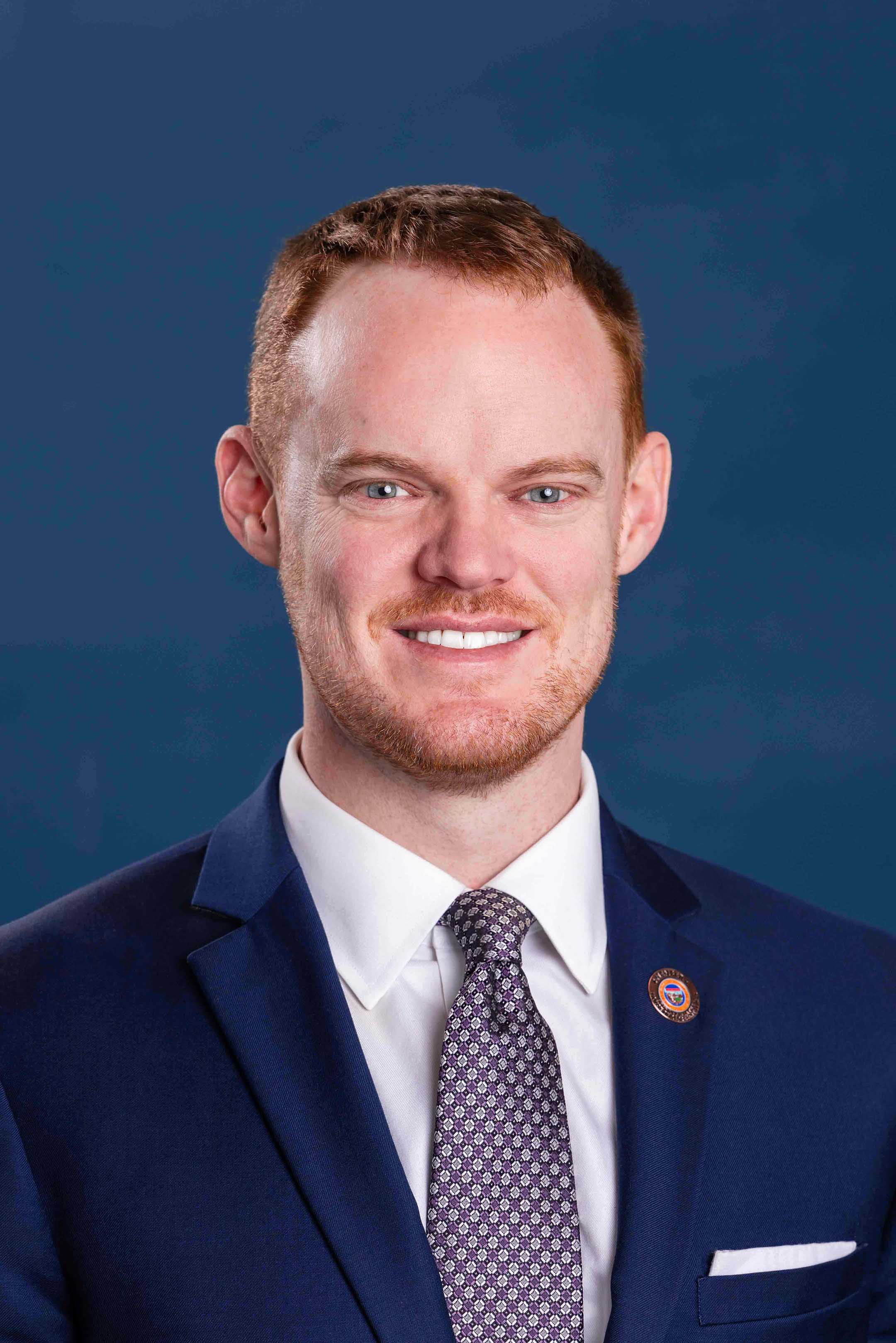
Rep. Kevin Volk
Sponsored bills
Maddy summaryHB 2682 creates Arizona's Rental Assistance Program, providing limited financial help to eligible renters facing temporary hardship. It directly affects tenants with at least one child under 18 who have lived in their rental for 12 months, are no more than two months behind on rent, and face an unexpected financial emergency. The program offers up to $5,000 or two months of rent per year (paid directly to landlords), requires proof of future income, and prohibits evictions for covered months. The state appropriates $5 million for this program in fiscal year 2026-2027, and tenants must also complete free financial literacy classes.
Maddy summaryHB 2945 establishes Arizona's first state-administered family and medical leave insurance program, effective January 1, 2029. It provides wage replacement benefits for eligible workers needing time off for reasons including childbirth/adoption, caring for a family member with a serious health condition, pregnancy recovery, military family needs, or safe leave due to domestic violence, sexual violence, abuse, or stalking. The program guarantees up to 26 weeks of benefits for pregnancy or inpatient health conditions and up to 24 weeks for other qualifying reasons, with employers required to provide at least 12 weeks of leave. Benefit payments must begin within two weeks of a claim and continue every two weeks, applying to both employees and self-employed individuals who meet the defined eligibility criteria.
Maddy summaryHB 2947 prohibits charter schools from suspending students for unexcused absences and updates school discipline rules for all public schools in Arizona. It specifically bans suspension as a penalty for absenteeism (except for students absent due to illness certified by a licensed healthcare provider) and requires school districts to establish clear procedures for discipline, including written parental notice for confinement and annual reporting of suspensions/expulsions involving illegal substances. The bill mandates that school boards hold hearings for suspensions over ten days, include specific appeal processes, and post aggregated suspension data online without personally identifiable information. These changes directly affect students, school districts, and charter schools by altering disciplinary practices and increasing transparency around school discipline outcomes.
Maddy summaryHB 2959 creates "Kindness Charity Special Plates" for Arizona vehicle owners. To obtain these plates, a donor must pay $32,000 to the state department to fund the program, design the plate (with department approval), and cover a $25 annual fee per plate. Of the $25 fee, $17 is donated to a new "Kindness Charity Special Plate Fund" established by the bill, while $8 covers administrative costs. This program directly affects donors who choose to support the fund through license plate purchases.
Maddy summaryHB 2924 amends Arizona's sales tax code (Section 42-5061) to update existing exemptions from the state's retail sales tax. It specifically clarifies exemptions for medical items like insulin, prosthetics, and durable medical equipment prescribed by licensed health professionals, as well as food, nonprofit sales, and certain educational materials. The bill does not create a new "fire apparatus" exemption as implied in its title - this appears to be a mislabeling, as the actual text revises other exemption categories. The changes directly affect businesses selling these exempt items, such as pharmacies, hospitals, schools, and nonprofits, by removing tax liability on qualifying transactions. The policy update focuses on refining existing tax law, not introducing new provisions.
Maddy summaryHB 2674 clarifies that when a convicted defendant in Arizona dies, courts must dismiss any pending appeals or postconviction proceedings. It also allows courts to dismiss all requirements of the defendant's sentence (like probation or community service), but explicitly states that the defendant's criminal conviction, imprisonment sentence, and any financial penalties (restitution, fines, or assessments) remain enforceable. This directly affects defendants who die while serving a sentence, their estates, and entities collecting financial obligations. The bill makes the existing law clearer by specifying that financial penalties cannot be dismissed, ensuring victims or the state can still seek restitution or fines.
Maddy summaryHB 2677 amends Arizona law to specifically prohibit preventing someone from entering or exiting a place of worship through physical blocking, detention, or force/threats. This directly affects individuals or entities who obstruct access to religious sites, such as security personnel or others blocking entrances. The bill classifies this act as a class 6 felony (unless the victim is safely released before arrest, making it a misdemeanor), adding it as a specific scenario under unlawful imprisonment. It defines "place of worship" per existing law and clarifies that this provision applies to the specific act of hindering religious access.
Maddy summaryHB 2701 requires Arizona's legislative council to display the official flags of all 22 federally recognized tribes in Wesley Bolin Plaza. This bill directly affects the state government (specifically the legislative council) and the tribes whose flags are displayed. It mandates a new, specific location for tribal flag display as part of public space management, without altering funding or other provisions in the existing monument law. The bill focuses on a procedural requirement for flag placement, not broader policy changes.
Maddy summaryHB 2823 prohibits Arizona's Department of Corrections from renewing or creating new contracts with private prison operators that include a "minimum occupancy clause." This means the state cannot require private prisons to maintain a specific occupancy rate, and will only pay for the actual number of inmates physically housed at the facility. The bill directly affects the state department and private prison operators by changing how contracts are structured and paid. It applies to all new contracts or renewals after the bill's effective date.