

Maddy summaryThis bill amends Arizona state law to establish a specific order for how money from the state lottery fund is spent each year. It requires that funds first cover lottery operating costs and bond debt payments, followed by fixed annual allocations to various programs such as the Arizona Game and Fish Commission, child safety, health education, and disease control. The legislation also mandates that a minimum amount be deposited into the state general fund before other specific grants, like those for homeless shelters or university capital improvements, can be distributed. Ultimately, any remaining lottery money after these required payments and allocations must be sent to the state general fund.
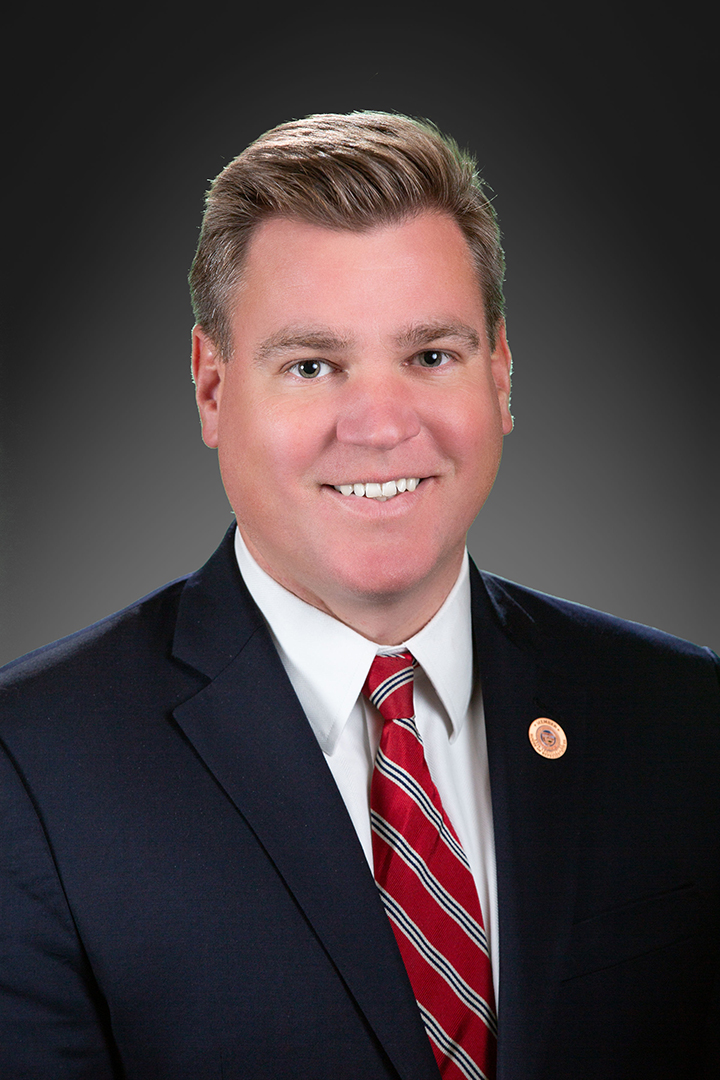
Rep. Neal Carter
Sponsored bills
Maddy summaryThis bill requires the Arizona Department of Transportation to submit an annual report by July 31 detailing progress in reducing wait times at motor vehicle offices and speeding up mail-in vehicle registration renewals. The report must follow a format similar to previous submissions made to the Joint Legislative Budget Committee. Although the bill passed the legislature, it was vetoed by the Governor and did not become law.
Maddy summaryThis bill directs that unrestricted federal funds received between July 1, 2026, and June 30, 2027, be placed into the state general fund to cover essential government services. It temporarily suspends standard rules for the budget stabilization fund during fiscal years 2026-2027 and 2027-2028, allowing the fund to remain unappropriated and preventing the transfer of its surplus to the general fund. Additionally, the legislation requires the governor's 2027-2028 budget proposal to include a detailed report explaining how the state will achieve $100 million in savings through the government efficiency and reform initiative.
Maddy summaryThis Arizona bill would require commercial horse racing operators to pay a 0.5 percent regulatory fee on all wagers placed during the 2026-2027 fiscal year. The fee would be collected from the money taken out of betting pools by the racing permits. Additionally, the bill allows first-time race starters to compete if they have official gate approval and have completed two timed workouts, with one workout occurring within 60 days of the race. These changes would apply to both live and simulcast horse racing events in the state for the specified years.
Maddy summaryThis bill establishes stricter rules for verifying eligibility for Arizona's health care system by requiring the state to match member data with tax and gambling records to detect undisclosed income. It mandates quarterly checks on able-bodied adults and prohibits the use of self-reported information for enrollment without independent verification from state agencies. Additionally, the legislation seeks to limit presumptive eligibility for adults, restricting it primarily to children and pregnant women, while setting specific performance standards for hospitals that make these temporary determinations. If hospitals repeatedly fail to meet these standards, the bill requires mandatory staff training or revokes their ability to make presumptive eligibility decisions. Although the bill passed the legislature, it was vetoed by the Governor.
Maddy summaryThis bill proposes changes to Arizona's higher education funding for the 2026-2027 fiscal year. It allows the state to match less than one dollar for every dollar collected from student registration fee surcharges and sets the specific amounts for state aid to community colleges for STEM and workforce programs. Additionally, it defines the limits for general operating state aid provided to community college districts. The legislation was vetoed by the Governor on May 5, 2026.
Maddy summaryThis bill updates Arizona's insurance premium tax rates and reporting requirements for the 2026-2027 period, directly affecting domestic and formerly authorized insurers operating in the state. It establishes specific tax rates for various insurance types, including a lower rate for fire insurance on properties in towns with private fire companies and a gradual reduction for other general insurance premiums. The legislation also mandates that a portion of the fire insurance tax be allocated to local municipalities and fire districts to support public safety personnel retirement systems. Additionally, the bill outlines procedures for insurers to file monthly tax reports, claim refunds for overpayments, and submit data electronically.
Maddy summaryThis bill requires the Arizona Department of Corrections to submit an annual report on prison bed capacity to the joint legislative budget committee by November 1 each year. The report must detail the number of available beds for different security levels and genders at both state facilities and private prisons, including data from the previous two years and projections for the current year. It also mandates explanations for why permanent beds are removed instead of temporary ones, along with plans for any future closures of 100 or more beds that must be reviewed before implementation. Although the bill passed the legislature, it was vetoed by the Governor.
Maddy summaryThis bill establishes fees for Arizona counties, cities, towns, councils of governments, and regional transportation authorities to fund the state Department of Revenue's integrated tax system modernization project. The fees, which apply from June 2022 through June 2029, are calculated based on the amount of state shared revenue each local entity receives and are collected by the department. If a local government fails to pay the fee by December 31, the state treasurer will withhold future state revenue distributions until the debt is settled. All collected funds are placed in a dedicated project fund and can only be used to cover the actual administrative and operating costs of the tax system upgrade.
Maddy summaryThis bill establishes new rules for Arizona's Supplemental Nutrition Assistance Program (SNAP) to improve oversight and limit income thresholds for eligible recipients. It mandates that the state cap gross income limits for certain SNAP applicants at 185% of the federal poverty level and requires the Department of Economic Security to regularly cross-check applicant data with tax records, lottery winnings, and other government databases to verify eligibility. The legislation also sets a target to reduce payment error rates to 3% by 2030, requiring quarterly reports to the legislature and imposing financial penalties on the department if it fails to meet interim goals. Additionally, the bill mandates public reporting on fraud investigations and improper payments while authorizing an independent audit to identify factors contributing to payment errors.