

Maddy summaryHCM 2016 is a symbolic resolution (not a binding bill) passed by the Arizona House of Representatives. It urges the U.S. Congress to support the Palo Verde Generating Station, Arizona's largest nuclear power plant, highlighting its role as a major clean energy source (supplying 70% of Arizona's carbon-free energy), economic contributor ($2.3 billion annual impact), and employer (2,000+ full-time workers). The resolution cites the plant's use of recycled water, lower costs compared to solar, and public support for nuclear energy (56% in a 2024 survey) to make its case. It does not create new policy but requests congressional recognition and support for the facility.
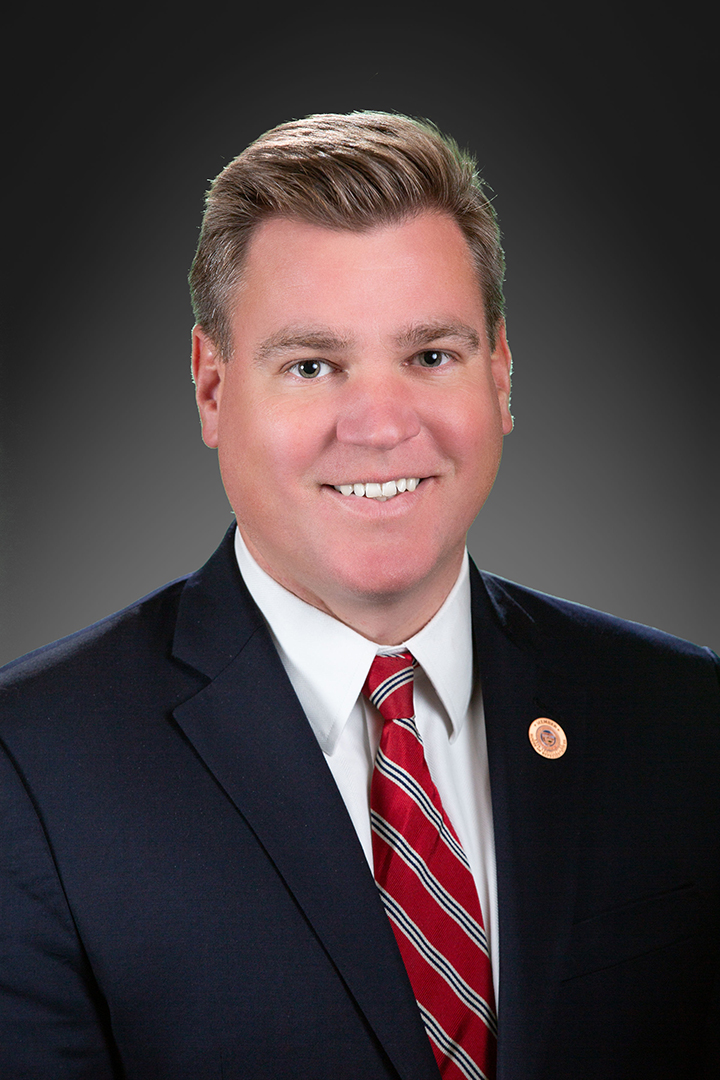
Rep. Neal Carter
Sponsored bills
Maddy summaryHB 2870 requires Arizona law enforcement agencies (including police departments, sheriff's offices, and public safety departments) to provide written explanations to job applicants who were not hired or advanced in the hiring process. The summary must detail specific reasons, such as concerning background information, physical fitness test failures, medical concerns from exams, polygraph results, or psychological exam issues. This bill directly affects applicants whose hiring was denied or delayed by these agencies. It aims to increase transparency in hiring decisions by standardizing the information provided to applicants. The bill is currently in early legislative stages (House first and second readings).
Maddy summaryHB 2754 amends Arizona law to clarify the definition of "highway user revenues" and update the distribution process for these funds. It specifies that certain vehicle-related taxes, fees, and donations (like license fees and special plate fees) count toward this revenue stream, while excluding others. The bill directs that 25% of these funds go to incorporated municipalities based on population, 38.08% to counties using a population-based formula, and an additional 2.43% to counties using a mix of population and property valuation data. Remaining funds after these distributions flow to the state general fund for specific purposes like revenue department operations and school funding. This bill directly affects local governments and state agencies that receive or manage these tax revenues.
Maddy summarySB 1686 clarifies that the county recorder is the "officer in charge of elections" for Arizona counties, directly affecting county election officials. It updates rules for establishing election precinct boundaries and designating polling places, requiring county recorders to set boundaries by October 1 before elections and follow specific guidelines for combining precincts or using voting centers. The bill also mandates that public schools must provide space for polling places unless principals deny requests with written reasons like lack of space or safety concerns. These changes aim to standardize election administration procedures for county recorders managing polling locations.
Maddy summaryHB 2659 raises the age at which custodians must automatically transfer certain types of property to minors from 21 to 25 years old. Specifically, it changes Section 14-7670 to require custodians to transfer property transferred under sections 14-7654 or 14-7655 upon the minor's 25th birthday, instead of their 21st. This affects minors who receive custodial property under those specific transfer provisions and their custodians. The bill updates the article title to reflect this change but leaves the 18-year transfer age intact for property under sections 14-7656 or 14-7657.
Maddy summaryHB 2707 prohibits health professionals and health care institutions in Arizona from denying care or providing substandard care based on a patient's vaccination status. The bill makes it unprofessional conduct for health professionals to discriminate in this way and bans health care institutions from adopting policies allowing such discrimination. It directly affects hospitals, clinics, and medical providers by requiring them to treat all patients equally regardless of vaccination status. The law changes existing professional standards to explicitly forbid this form of discrimination in healthcare settings.
Maddy summaryHR 2003 is a ceremonial resolution honoring Joan Romano for 35 years of service to the Arizona Legislature. It recognizes her career path - from switchboard operator in 1982 to House supply supervisor, managing printing, journals, and equipment - while highlighting her dedication and contributions to legislative operations. The resolution formally expresses the House of Representatives' gratitude for her work and wishes her well in retirement. As a procedural tribute, it does not create new laws or affect any policies.
Maddy summaryHB 2656 is a definitional amendment to Arizona's condominium law (Section 33-1202), not a substantive bill about terminating declarants. It updates definitions related to "declarants" (developers who create condominiums) and their rights, including clarifying terms like "special declarant rights" and "declarant control" in the condominium documents. The bill does not create new procedures for terminating a declarant's authority but instead refines how existing terms are legally defined. This type of amendment typically prepares the law for future changes but does not directly affect homeowners or HOAs until implemented through other legislation.
Maddy summaryHB 2669 clarifies Arizona's criminal law by specifying when offenses are considered "strict liability" (meaning a defendant can be convicted without proving intent). It requires statutes to explicitly state if a crime requires a specific mental state (like "knowingly" or "intentionally") - otherwise, the offense defaults to strict liability. This directly affects criminal defendants in cases where the statute's language about mental state was previously ambiguous. The bill does not create new offenses but changes how existing laws are interpreted regarding culpability.
Maddy summaryThis Arizona House resolution (HM 2001) requests Governor Katie Hobbs to revise and resubmit her 2025 Executive Budget within 10 days. It argues the current proposal fails to balance the state's budget for fiscal years 2027-2028, specifically ignoring $846 million in expected Medicaid cost increases that would create negative fund balances of $192 million (2027) and $390 million (2028). The resolution directs the Governor to submit a financially solvent budget that meets legal requirements for three consecutive balanced fiscal years. This procedural request directly affects the Governor's budget submission process, not the public or specific programs.