

Maddy summaryHB 2366 requires Arizona's Industrial Commission to publish an annual list by January 1, 2026, of the top 50 employers with the most employees receiving Medicaid or other public assistance. The report must include employer names, size, counts of employees and dependents receiving aid, types of assistance, and whether the employer offers health benefits (excluding individual names to protect privacy). This bill directly affects large Arizona employers by mandating public disclosure of their workforce's public assistance usage. The data will be posted on the Industrial Commission's website, providing transparency about employer demographics related to state welfare programs. The law focuses on factual reporting without advocating for or against the policy.
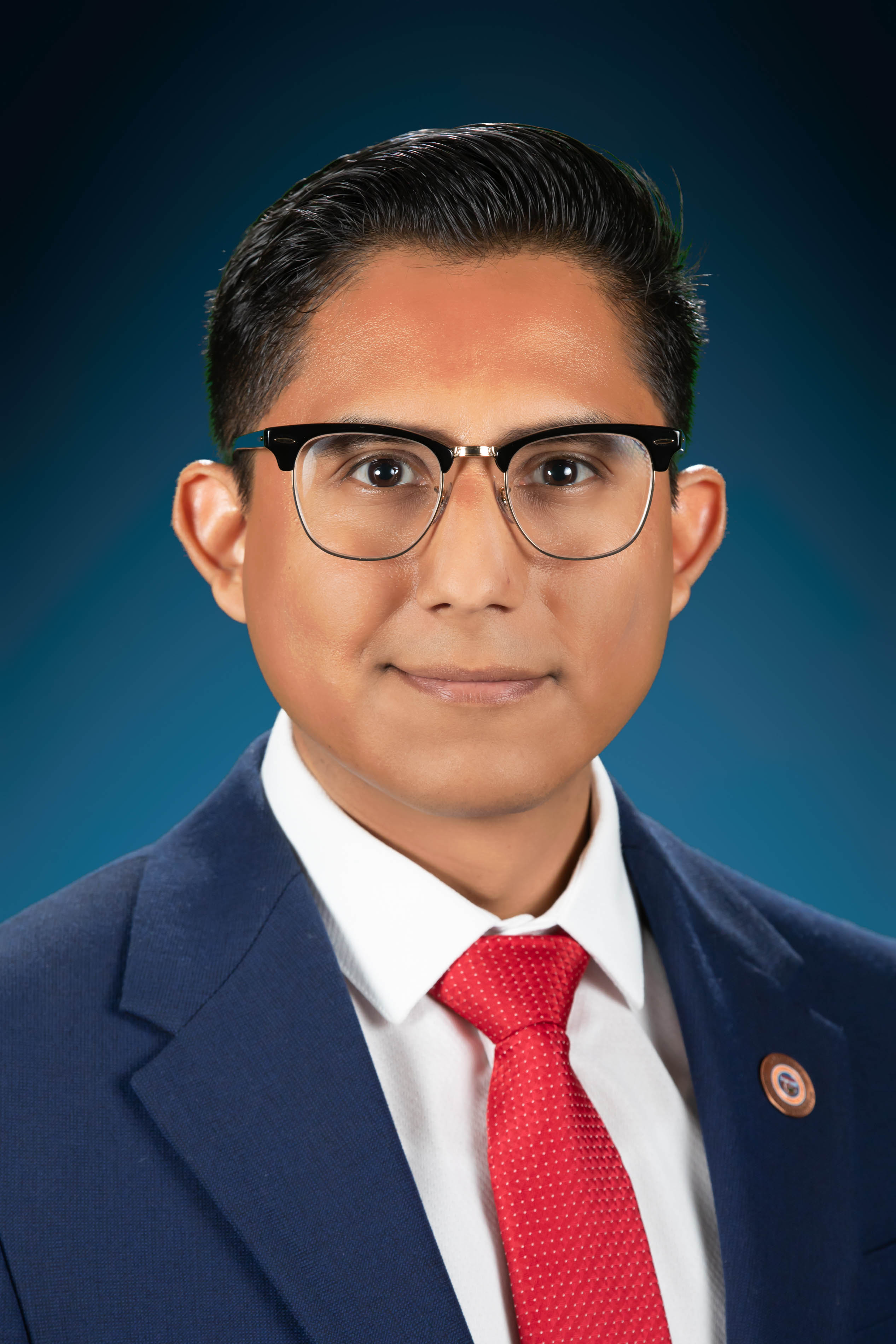
Rep. Oscar De Los Santos
Sponsored bills
Maddy summaryHB 2214 makes it a crime for adults to fail to secure firearms from minors by not taking reasonable steps to prevent minors from accessing them. The bill directly affects parents, guardians, or household members who store firearms where minors could access them without proper safety measures. Key provisions require adults to take "reasonable measures" (like using gun locks or storing firearms separately) to prevent minors from accessing weapons, with penalties for violations. This amendment adds a specific offense to Arizona's weapon laws, targeting a common safety concern without altering other existing firearm regulations.
Maddy summaryHB 2477 requires lessees of agricultural state land outside designated water management zones to pay an annual fee based on groundwater use. It mandates that lessees report well locations, annual water withdrawal volumes, and specific irrigation uses to the department by March 31 each year. Fees collected must be deposited into the appropriate beneficiary fund, with the legislature stating fees should reflect groundwater's fair market value. The bill directly affects agricultural lessees on state land outside active management areas or irrigation non-expansion zones, adding reporting and fee requirements for groundwater irrigation.
Maddy summaryHB 2253 sets water efficiency standards for plumbing fixtures in Arizona, affecting builders, contractors, and property owners installing new or replacing fixtures in residential and commercial buildings. It requires all new residential plumbing fixtures (like faucets, showers, toilets, and urinals) to use no more than 3 gallons per minute for faucets/showerheads and 1.6 gallons per flush for toilets, while commercial fixtures must meet stricter limits (e.g., automatic shut-off for faucets). The bill mandates that fixtures must either be Watersense-labeled or meet pre-2027 water efficiency criteria, and it specifically requires water-free urinals in new state buildings. These standards take effect January 1, 2027, aiming to reduce water consumption in both residential and public infrastructure.
Maddy summaryHB 2349 sets a 60-month (5-year) limit on cash assistance for most Arizona families receiving Temporary Assistance for Needy Families (TANF) benefits. It directly affects families where the head of household or spouse has received TANF cash aid for 60 months total, regardless of whether months were consecutive or funded from other states or tribal programs. Key exceptions include child-only cases, families living on Indian reservations with high unemployment, and situations where benefits were below the full monthly amount. Families meeting work and school attendance requirements (90% for children) may qualify for an additional 12 months under hardship provisions. The law applies retroactively from June 30, 2025, and terminates TANF eligibility for those exceeding the limit as of July 1, 2025.
Maddy summaryHB 2587 updates Arizona's voter registration rules by requiring automatic voter registration at driver license offices. When applying for or renewing a driver license, eligible residents must be offered registration using minimal, standardized forms that prevent duplicate entries. The bill clarifies that individuals without fixed housing (like those using homeless shelters) can still register at specific locations listed in the law. It maintains existing eligibility requirements, such as citizenship and residency, while ensuring DMV forms align with federal confidentiality standards under the National Voter Registration Act. This change directly affects Arizona residents applying for or renewing driver licenses.
Maddy summaryHB 2480 defines "watershed health uses" as water conserved in natural waterways (like rivers and wetlands) to support healthy ecosystems, not used for other purposes. The bill requires Arizona's Water Resources Director to prepare a report for each watershed, detailing specific ecosystem attributes that define watershed health. This report will then establish criteria for designating water uses as "watershed health uses." The bill does not change existing water rights but creates a framework for future water management decisions focused on ecosystem health.
Maddy summaryHB 2248 requires well drillers in Arizona to include precise GPS coordinates in applications to drill new wells or deepen existing wells. This applies to all well applications filed with the state director, directly affecting well drillers, landowners, and groundwater users. The bill mandates that applications must include the well's legal description, GPS coordinates, well specifications, and other details like septic system locations for domestic use wells on small properties. Key provisions include requiring GPS coordinates (subsection C, paragraph 3) and site plans for domestic wells on parcels under five acres. The law aims to improve tracking and regulation of well locations for groundwater management.
Maddy summaryHB 2479 establishes criteria for Arizona to designate new groundwater management areas beyond the initial ones. It allows the director to create "subsequent active management areas" if groundwater preservation is needed, land subsidence threatens property or storage, or water quality is degrading. The bill requires these areas to cover entire groundwater basins (not partial sections), with exceptions for northern Arizona's regional aquifers. This directly affects groundwater basins meeting the specified criteria by imposing management practices to protect water resources.
Maddy summaryHB 2476 sets aside $100 million from Arizona's general fund for the water conservation grant fund during fiscal year 2025-2026. This funding supports local projects that reduce water waste, such as upgrading infrastructure or promoting efficient irrigation practices. It directly benefits municipalities, water districts, and other entities applying for these grants under Arizona law. The bill provides concrete financial resources for water conservation initiatives without creating new regulations.