

Maddy summaryHB 2224 allocates $2 million annually from Arizona's state general fund starting in fiscal year 2026-2027 to the Department of Economic Security for its existing produce incentive program. The bill directly affects the Department of Economic Security, which administers the program, and would impact eligible Arizona residents who use the program's incentives to purchase fresh produce. The funding is exempt from standard appropriation lapsing rules, ensuring consistent annual support. This is a procedural budgetary measure, not a policy change, as it only provides funding for an already-established program.
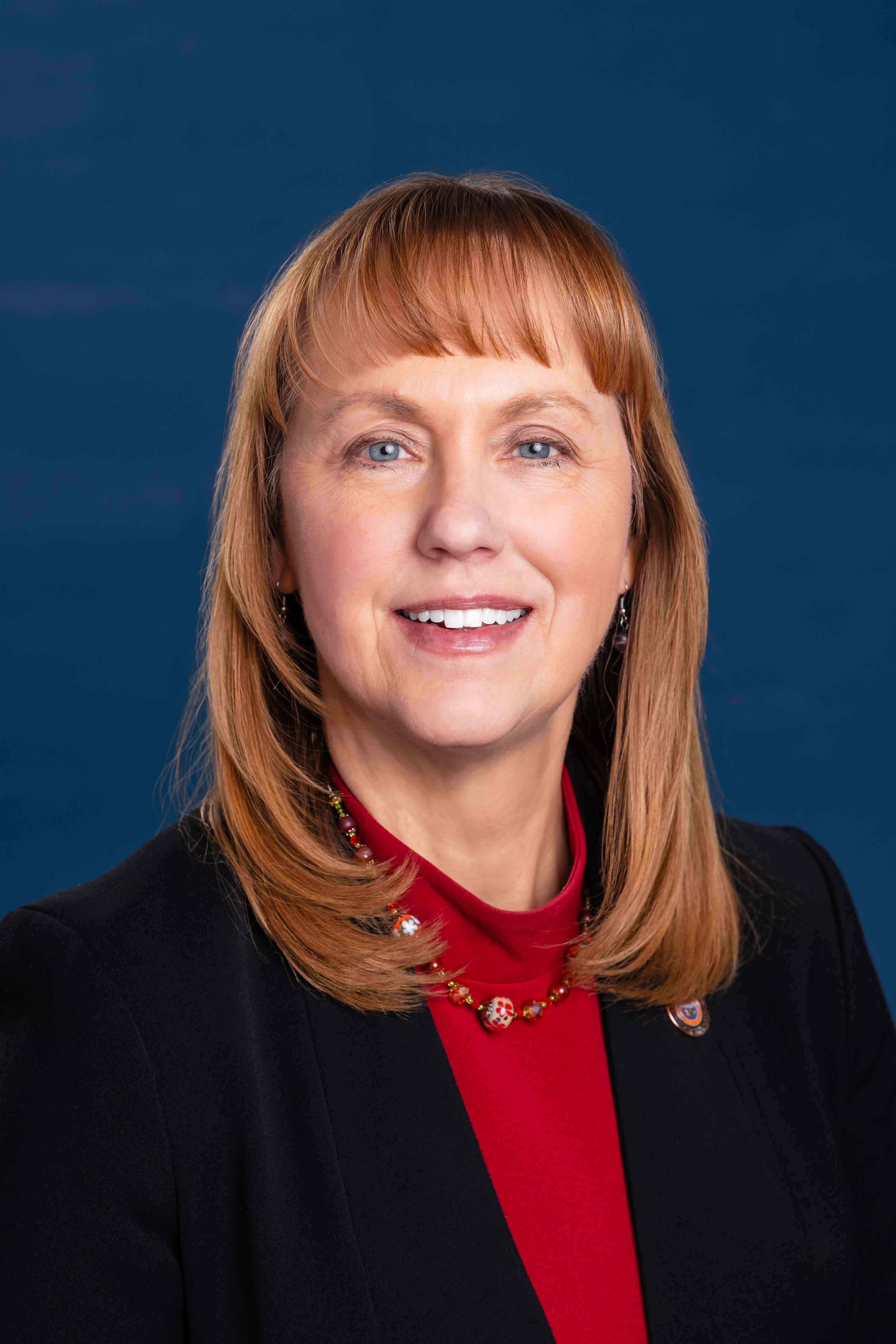
Rep. Selina Bliss
Sponsored bills
Maddy summaryHB 2079 authorizes a memorial dedicated to Don Bolles, an Arizona reporter killed in a 1970s car bombing during investigative work, to be placed in Wesley Bolin Plaza. The bill specifies that public funds cannot cover the memorial’s costs - fundraising and construction must be handled solely by private proponents - and includes a sunset provision repealing the measure after September 30, 2029. It has no direct impact on policy or specific individuals beyond commemorating Bolles’ legacy.
Maddy summaryHB 2197 prohibits camping within one-quarter mile of natural or man-made water sources if the camping blocks wildlife or livestock from accessing water. It directly affects people camping near water holes or watering facilities in Arizona. The key provision creates a specific buffer zone (1/4 mile) around water access points to prevent denial of water to animals. This amendment updates Arizona law to clarify restrictions on camping near critical water sources. The bill is currently in early legislative stages with no votes taken yet.
Maddy summaryHB 2205 amends Arizona law to increase penalties for damaging specific protected locations, directly affecting property owners and individuals who damage these sites. It classifies aggravated criminal damage when property is defaced, damaged, or tampered with at places of worship, schools, cemeteries, or utility/infrastructure sites (e.g., for metal theft), with penalties escalating based on damage amount ($1,500-$10,000+) and location type. For instance, damaging a school with $10,000+ in damage becomes a class 4 felony, while similar damage to utility infrastructure is a class 3 felony. The bill defines "damage" to include repair costs, lost services, and abatement expenses, making it a criminal offense with felony classifications.
Maddy summaryHB 2993 amends Arizona law to clarify when state agencies can hire their own legal counsel. Typically, agencies must use the Attorney General's office for legal representation, but exceptions allow them to hire outside lawyers if the Attorney General is disqualified (e.g., due to a conflict of interest) or in specific cases like pesticide complaints involving the Department of Agriculture. The bill also requires agencies with their own legal divisions (funded by non-general revenue) to reimburse the state general fund for legal services provided by the Attorney General. This affects all state agencies, including the Department of Public Safety (DPS), by defining their legal representation options and reimbursement obligations.
Maddy summaryHB 2435 creates a new licensure pathway for internationally trained physicians in Arizona who cannot obtain standard certification from the Educational Commission for Foreign Medical Graduates (ECFMG). It establishes a "fifth pathway" requiring completion of a one-year U.S. clinical training program followed by a 24-month residency, and clarifies that documents from foreign medical schools (minus internship) combined with U.S. program certification will be treated as equivalent to a U.S. medical degree. The bill also offers an alternative route for physicians meeting ECFMG pathway one requirements, provided they hold a valid independent license, have U.S. work authorization, and have a job offer at a healthcare provider in a county with under one million residents. This directly affects foreign-trained doctors seeking Arizona medical licensure who face barriers with existing certification processes.
Maddy summaryHB 2726 adds coverage for the diagnosis and treatment of mild obstructive sleep apnea under Arizona's Medicaid program (AHCCCS). This specifically includes patient screening and the use of FDA-approved prescription devices delivered through the durable medical equipment benefit. The bill directly affects AHCCCS enrollees with mild sleep apnea, ensuring this treatment is covered as a medically necessary service. It does not change eligibility or funding but explicitly lists this condition as a covered service under the program's health care benefits.
Maddy summaryHB 2926 streamlines workforce housing development by allowing builders to start erecting homes (vertical construction) while utility improvements (horizontal construction) are ongoing, provided plans are approved, infrastructure is secured, and safety is certified. It requires cities to create expedited permitting processes for these projects, including faster reviews, reduced fees, and dedicated contacts. The bill also establishes a rural contractor license that waives exams for qualified out-of-state license holders (with four years of experience), restricts work to rural areas (counties under 100,000 residents), and expires in 2029. Additionally, it updates bond approval rules for single-family home financing, mandating governing body review of detailed plans before bond issuance.
Maddy summaryHB 2438 creates a compact allowing podiatric physicians (foot doctors) licensed in one participating state to more easily obtain licenses in other participating states through a streamlined process. It requires physicians to designate a "state of principal license" (where they primarily practice or reside) and ensures they must comply with the licensing rules of the state where the patient is located during treatment. The compact adds a new pathway for cross-state practice without changing existing state laws governing podiatric medicine. This directly affects podiatric physicians seeking to practice across state lines in states that adopt the compact.
Maddy summaryThis is a ceremonial resolution (HCR 2064) expressing the Arizona Legislature's condolences upon the passing of former state legislator Barbara Leff. It honors her 1996-2006 service representing Paradise Valley, her work on HMO reform and economic development, and her contributions to voter information systems. The resolution extends sympathy to her surviving family members (husband, children, grandchildren) and acknowledges her community leadership. It has no policy impact or legislative effect beyond this expression of respect.