

Maddy summaryHB 2304 allocates $41,384,400 from Arizona's state general fund for transportation projects in fiscal year 2026-2027. It directly funds 52 specific infrastructure improvements across 25 cities, counties, and tribal nations, including road reconstructions (e.g., Bullhead City's Baseline Road), bridge replacements (e.g., Globe's Pinal Creek Bridge), trail projects (e.g., Lake Havasu City's State Route 95 Multi-Use Trail), and pedestrian safety upgrades (e.g., Clarkdale's Broadway Street). The bill provides no new policy changes but authorizes state funding for pre-approved local projects. This is a routine appropriations measure, not a substantive legislative policy.
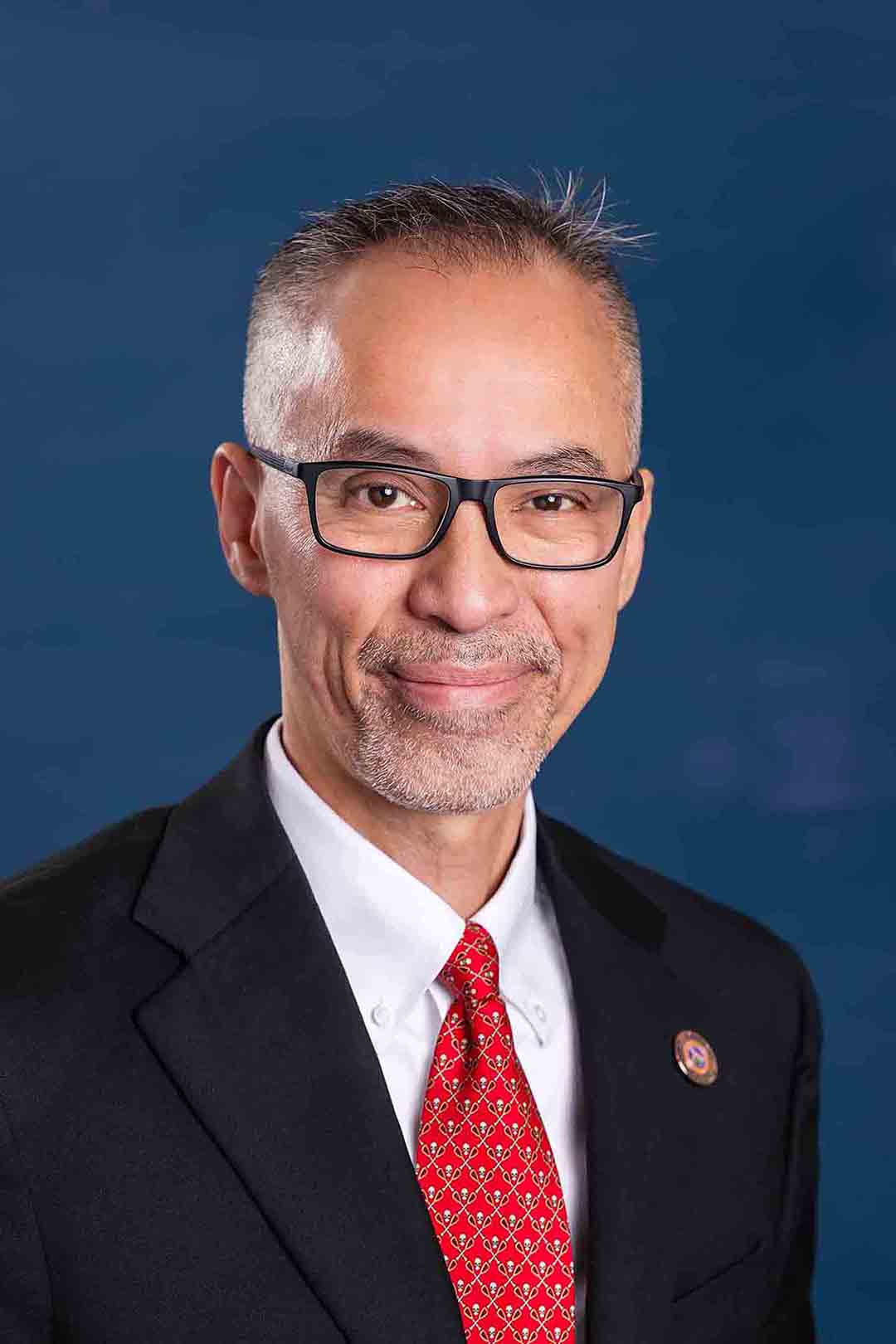
Rep. Quang Nguyen
Sponsored bills
Maddy summaryHB 2760 allocates $15 million from Arizona's state general fund for fiscal year 2026-2027 to the rural transportation fund established under Arizona Revised Statutes §28-339. This funding directly supports transportation infrastructure projects in rural Arizona communities by providing state matching funds for eligible initiatives. The bill creates no new programs but specifies a dedicated budget allocation to enhance rural road and transit improvements. It is currently in early legislative stages, having passed its first two House readings.
Maddy summaryHB 2978 appropriates $3,000,000 from Arizona's state general fund for fiscal year 2026-2027 to the Department of Transportation for the city of Prescott. The funds are specifically designated for the second phase of development of Prescott's northeast airport ramp. This bill directly affects Prescott by providing state funding for a specific airport infrastructure project. The legislation is procedural, focusing solely on allocating funds without altering existing laws or creating new requirements.
Maddy summaryHB 4088 requires motor carriers transporting agricultural commodities (like produce, livestock, or feed) for intrastate commerce in Arizona to maintain liability insurance covering emergency towing and recovery services. If a towing operator isn't paid for these services (directed by law enforcement), they can place a lien on the commercial vehicle and the transported commodities, which must be recorded with the Secretary of State. The bill excludes farm-to-field operations, farmer self-hauling, and non-commercial vehicles. It defines "agricultural commodity" broadly and "emergency towing" as services performed under law enforcement direction. The bill failed to pass on February 17, 2026.
Maddy summaryHCR 2061 proposes a constitutional amendment to prohibit individuals holding dual citizenship from serving in Arizona state office. It would amend the state constitution to require all state legislators and other elected officials (as listed in Article V, Section 1) to be U.S. citizens at the time of election, explicitly barring those with dual citizenship from eligibility. This change would directly affect candidates running for state legislative seats and other state offices requiring U.S. citizenship. The amendment must be approved by voters in the next general election after being submitted by the Secretary of State, as it is currently in early legislative stages (House first and second readings in February 2026).
Maddy summaryHB 2448 prohibits Arizona's Department of Economic Security from seeking, accepting, or renewing federal waivers that would exempt able-bodied adults without dependents from SNAP work requirements unless explicitly authorized by state law. It also blocks the state from granting exemptions from these work requirements without specific legislative approval. The bill directly affects SNAP recipients who might otherwise qualify for work requirement exemptions under federal rules. This is a procedural measure restricting state authority to bypass federal SNAP rules without clear legislative direction.
Maddy summaryArizona's HB 2442 requires able-bodied adults under 60 receiving SNAP benefits to join a state-mandated employment and training program, unless they qualify for specific exemptions. The bill directly affects SNAP recipients who are not exempt, such as those not working 30+ hours weekly, not caring for young children, or not enrolled full-time in school. Key exemptions include being a full-time student, caring for a child under six, participating in addiction treatment, or already working 30+ hours per week. This aligns with federal SNAP work requirements but sets Arizona-specific implementation rules for the program.
Maddy summaryHB 2924 amends Arizona's sales tax code (Section 42-5061) to update existing exemptions from the state's retail sales tax. It specifically clarifies exemptions for medical items like insulin, prosthetics, and durable medical equipment prescribed by licensed health professionals, as well as food, nonprofit sales, and certain educational materials. The bill does not create a new "fire apparatus" exemption as implied in its title - this appears to be a mislabeling, as the actual text revises other exemption categories. The changes directly affect businesses selling these exempt items, such as pharmacies, hospitals, schools, and nonprofits, by removing tax liability on qualifying transactions. The policy update focuses on refining existing tax law, not introducing new provisions.
Maddy summaryHB 2920 requires app stores operating in Arizona to verify the age of users creating accounts and link accounts of minors (under 18, excluding married/emancipated individuals) to verified parent accounts. App stores must obtain parental permission before minors can download apps, make purchases, or access in-app purchases, and re-verify consent after significant app changes like new ads or in-app purchases. The bill mandates that app stores provide clear disclosures about age ratings, data collection, and privacy practices to parents before granting permission. It directly affects app store providers, minors under 18, and their parents within Arizona, with exemptions for preinstalled apps and core device functions.
Maddy summaryHB 2863 clarifies Arizona's eviction rules by setting specific timeframes for tenants to address lease violations: 5 days to pay overdue rent or fix health/safety issues, and 10 days for other breaches. It states that material falsification of rental application details - such as criminal history, income, or occupancy - cannot be corrected and leads directly to eviction. Landlords can seek compensation for damages, fees, and court costs from tenants who breach agreements, and must follow strict procedures for disconnecting utilities and handling tenant personal property after eviction. The bill directly affects all renters and landlords in Arizona by standardizing these eviction and property handling processes.