

Maddy summaryHB 2131 amends Arizona's weapons misconduct law (ARS § 13-3102) to specifically criminalize trafficking weapons or explosives for financial gain to assist criminal street gangs, syndicates, or racketeering enterprises. This provision directly affects individuals who sell or transfer weapons/explosives with the intent to support such criminal organizations. The bill adds this trafficking offense as a new subsection (A.16) to the existing statute, which already covers other weapon-related misconduct like concealed carry or possession by prohibited persons. Key exemptions remain for lawful activities like museum collections, military use, or educational purposes. The law creates a distinct criminal penalty for trafficking tied to organized criminal enterprises, not general weapon possession or sales.
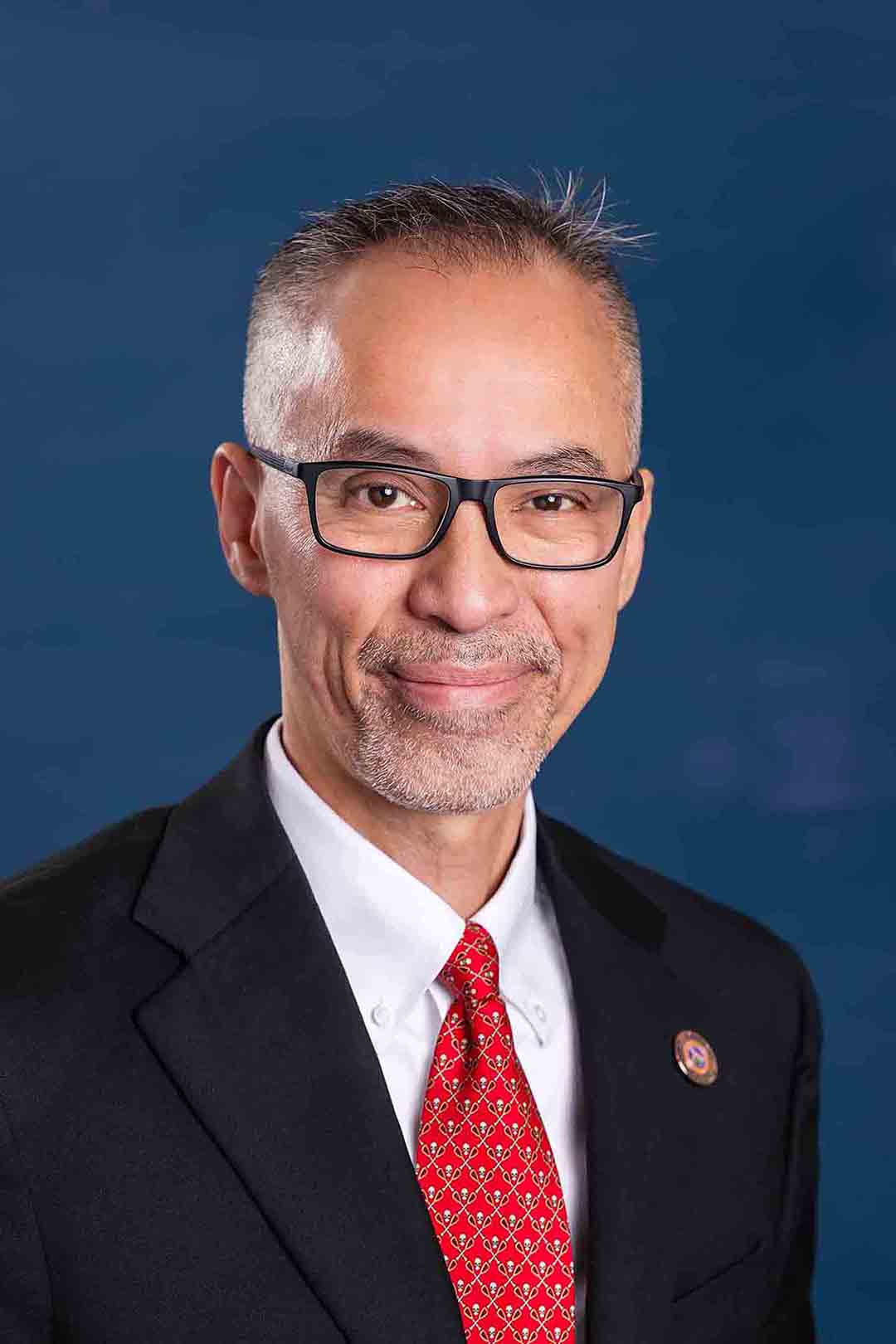
Rep. Quang Nguyen
Sponsored bills
Maddy summaryHB 2861 requires the destruction of firearms involved in specific violent offenses, such as those violating Arizona’s Chapter 11 crimes (e.g., assault with a deadly weapon) or causing serious physical injury. It directly affects courts, law enforcement, and individuals convicted of such offenses, as courts must order destruction instead of sale for these firearms. The bill amends statutes to mandate destruction when firearms are used in violent crimes or serious injury cases, overriding standard procedures for unclaimed property or forfeited weapons. This applies only to firearms tied to these specific offenses, not all unclaimed or forfeited firearms.
Maddy summaryHB 2223 modifies Arizona's name change law to specifically address individuals required to register as sex offenders. The bill requires applicants to disclose their sex offender registration status and mandates that if approved, they must register under their new name while using their old name as an alias. Applicants must also serve the prosecuting agency with their application, and victims or prosecutors can contest the change for up to one year after court approval. This directly affects sex offenders seeking name changes, ensuring their registration obligations remain active without interruption.
Maddy summaryHB 2418 allocates $600,000 from Arizona's state general fund for fiscal year 2026-2027 to the Arizona Criminal Justice Commission. The commission must distribute this funding evenly to the five existing major incident task forces as of the bill's effective date. This funding supports these task forces' operations but does not create new policies or change eligibility for assistance.
Maddy summaryHB 2416 appropriates $20 million from Arizona's state general fund for the Department of Public Safety (DPS) in fiscal year 2026-2027 to support local border operations. It directly funds local law enforcement officer positions focused on stopping drug trafficking, human smuggling, and illegal immigration, provides grants to cities/towns/counties for prosecuting and detaining individuals charged with these border crimes, and covers capital equipment costs like vehicles. The bill’s key mechanism is redirecting state funds to enhance local border enforcement capabilities and support prosecution efforts. This funding affects border communities, local law enforcement agencies, and individuals facing charges related to border crimes. The bill does not change existing laws but allocates specific state resources for these purposes.
Maddy summaryHB 2446 requires all motor carriers operating in Arizona to demonstrate English proficiency during roadside inspections, directly affecting commercial drivers and trucking companies. The bill mandates that inspectors conduct all inspections in English without using interpreters, translation tools, or other communication aids. If a motor carrier cannot prove sufficient English skills - such as understanding verbal questions or electronic traffic signs - an inspector may issue an out-of-service order. This law aims to ensure clear communication during safety checks but does not change existing safety standards beyond the language requirement.
Maddy summarySB 1010 renames Arizona's Loop 202 highway as the "Charlie Kirk Highway" in honor of Charlie Kirk. The bill requires the Arizona Department of Transportation to update all official documents, records, and signage to include this new name while maintaining existing designations. It affects public records and highway signage for Loop 202, with no changes to the highway's physical structure or function. This is a ceremonial designation with no substantive policy changes.
Maddy summaryHB 2862 makes it a misdemeanor to wear a mask to conceal one's identity at public assemblies (gatherings of 10+ people in public or permitted spaces). It specifically prohibits this behavior, with exceptions for holiday costumes, religious attire, medical devices, occupational safety gear, athletic equipment, and law enforcement use. The law classifies a first offense as a class 3 misdemeanor and repeat violations as a class 1 misdemeanor. It directly affects individuals attending public gatherings who wear face-covering masks without qualifying for an exemption.
Maddy summaryArizona's HB 2870 prohibits individuals convicted of "dangerous crimes against children" (classified as level 3 sex offenders under Arizona law) from living within 1,000 feet of schools (K-8 or 9-12), child care facilities, or their former victim's residence. Exceptions include those living there before a school opened, minors, people on probation, or those with written victim consent. Violations are punishable as a class 1 misdemeanor for first offenses and a class 6 felony for repeat offenses involving victims. The bill also prevents cities or counties from enacting stricter distance restrictions than the state law.
Maddy summaryHB 2445, titled the "Government Transparency Act," requires Arizona cities, towns, counties, school districts, and state agencies to post task order contracts online. These contracts - used for ongoing services or supplies over time - must include the total dollar amount, contractor name, service description, and contract length, with no redaction allowed for these details. Contractors may still redact personal or proprietary information beyond these four required elements. The bill applies to all public entities using this type of contract structure across Arizona.