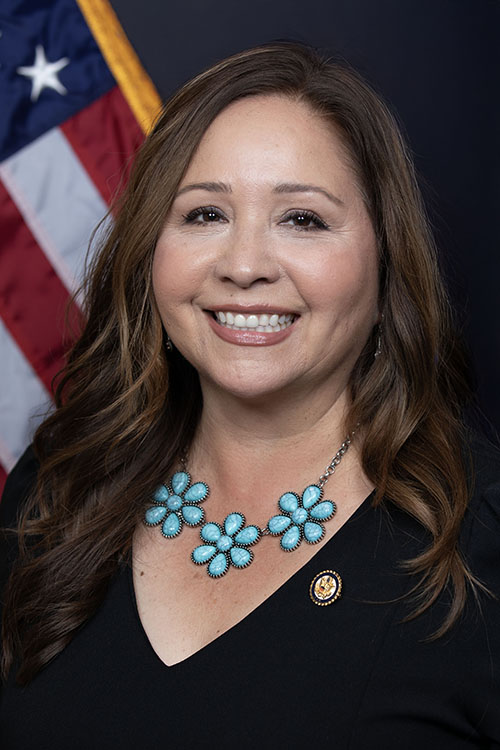
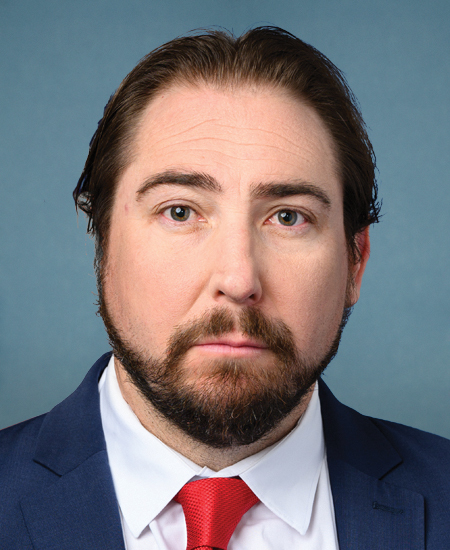
The MAP Roads Act creates a pilot program that provides federal grants to states to help digitize and map county roads, directly affecting state and local transportation agencies. To receive funding, states must demonstrate they can distribute money to counties and maintain a centralized, publicly accessible online database for road data. The program prioritizes states with significant gaps in digital road records and requires that the resulting data be compatible with popular mapping platforms and updated at least once a year. Authorized funding of $20 million annually from 2026 to 2031 will support these efforts, while the bill explicitly ensures it does not change existing laws regarding road ownership or jurisdiction.
The PATH Act modifies federal funding rules for fixed guideway transit projects, such as light rail and subway lines, to better support high-growth communities. It allows agencies to use population density, population growth rates, and local development plans when forecasting how many people will use a new transit line. By updating these criteria, the bill aims to make it easier for cities with rapidly growing populations to qualify for capital investment grants. This change directly affects transit agencies and local governments seeking federal money to build or expand rail systems in expanding areas.
The Hazardous Fuels Transportation Assistance Act of 2026 creates a competitive grant program to help organizations transport materials removed during wildfire risk reduction projects on National Forest System lands. Eligible recipients include for-profit companies, nonprofits, state and local governments, Indian Tribes, and universities, with funding available from fiscal years 2027 through 2031. Grants can cover costs for transporting wood and biomass, maintaining transport equipment, and workforce training, but cannot be used for construction or buying timber. The program prioritizes projects in high-risk wildfire areas and offers higher funding percentages to Indian Tribes compared to other applicants.
The PATH Act modifies federal funding rules for fixed-guideway transit projects, such as rail lines, to allow grant recipients to use more flexible ridership forecasting methods. Under the new provisions, agencies can choose to base their forecasts on either population density or population growth rate, whichever factor is most beneficial for predicting ridership. The bill also requires these forecasts to consider local development planning activities alongside the chosen population metric. This change directly affects transit agencies applying for capital investment grants by expanding the data they may use to justify project viability.
The WINGS Act of 2026 expands federal financial aid eligibility to cover specific aviation training expenses for students enrolled in qualifying aviation programs at colleges and universities. Under this bill, students could use federal funds to pay for costs such as flight simulator hours, aircraft instruction, aviation training materials, and licensing exam fees. The legislation defines eligible programs as those offering associate's or bachelor's degrees in aviation-related fields and includes professional degree programs that meet specific regulatory training standards. These changes would take effect on July 1, 2027, allowing students to access financial support for practical aviation training components starting with the 2027-2028 award year.
The McCarty and Heideman Air Safety Enhancement Act directs the Federal Aviation Administration to review its policies on low-altitude airspace safety, specifically focusing on hazards created by temporary structures like slacklines and highlines. This review will involve consulting with various aviation stakeholders, including pilots, drone operators, and land management agencies, to assess current marking requirements and data accuracy. If the FAA finds that existing rules are insufficient, it must update regulations within a year to better identify these obstructions in flight planning tools and improve coordination with local authorities. Additionally, the agency is required to report its findings and any recommended policy changes to Congress within nine months of completing the review.
The McCarty and Heideman Air Safety Enhancement Act directs the Federal Aviation Administration to review its policies on low-altitude airspace safety, specifically focusing on hazards created by temporary obstructions like slacklines and highlines. This review must involve various aviation stakeholders and examine whether current rules for marking, lighting, and reporting these obstacles are effective in preventing aircraft strikes. If the FAA finds existing guidelines insufficient, it is required to update regulations within a year to improve how these hazards are depicted in flight planning tools and communicated to pilots. Additionally, the agency must report its findings and any proposed rule changes to Congress within 90 days of completing the review.
The All in For Attendance Act aims to reduce chronic student absenteeism by requiring schools to implement specific support strategies for students missing 10 percent or more of school days. It mandates the creation of data systems to track attendance reasons, establishes advisory programs to engage families, and requires schools to partner with community organizations to remove barriers like transportation or health issues. The legislation also prohibits schools from using suspensions, fines, or academic penalties as punishment for student absences. Additionally, it directs funds toward evidence-based interventions such as social and emotional learning programs, restorative justice, and high-impact tutoring to improve student engagement and attendance.
This bill redesignates the existing National Parks and Public Land Legacy Restoration Fund as the America's Legacy Restoration Fund to address deferred maintenance on federal lands. It directs revenue from recreation fees and a portion of energy development income into the fund, which must be used primarily for repairing critical infrastructure like roads, trails, and buildings managed by agencies such as the National Park Service and the Forest Service. The legislation establishes strict rules requiring that most funds go toward non-transportation projects, mandates transparency through public dashboards tracking project status, and sets aside a small percentage for matching private donations. Additionally, the bill increases entrance fees for foreign visitors to ensure they contribute to the fund, while prohibiting the use of these specific funds for land acquisition or employee bonuses.
This bill, known as the Let Experienced Pilots Fly Act, raises the mandatory retirement age for commercial airline pilots from 65 to 67 years old. It allows airlines to voluntarily choose to keep a stricter limit of 70 years, but once they make that choice, they cannot lower it later. The law also ensures that pilots aged 60 and older must hold a specific type of medical certificate and prevents them from facing stricter medical checks solely because of their age, unless the Federal Aviation Administration determines it is necessary for safety. Additionally, the bill requires that any changes to pilot contracts or benefit plans needed to comply with these new age rules must be agreed upon by both the airline and the pilots' union representatives.