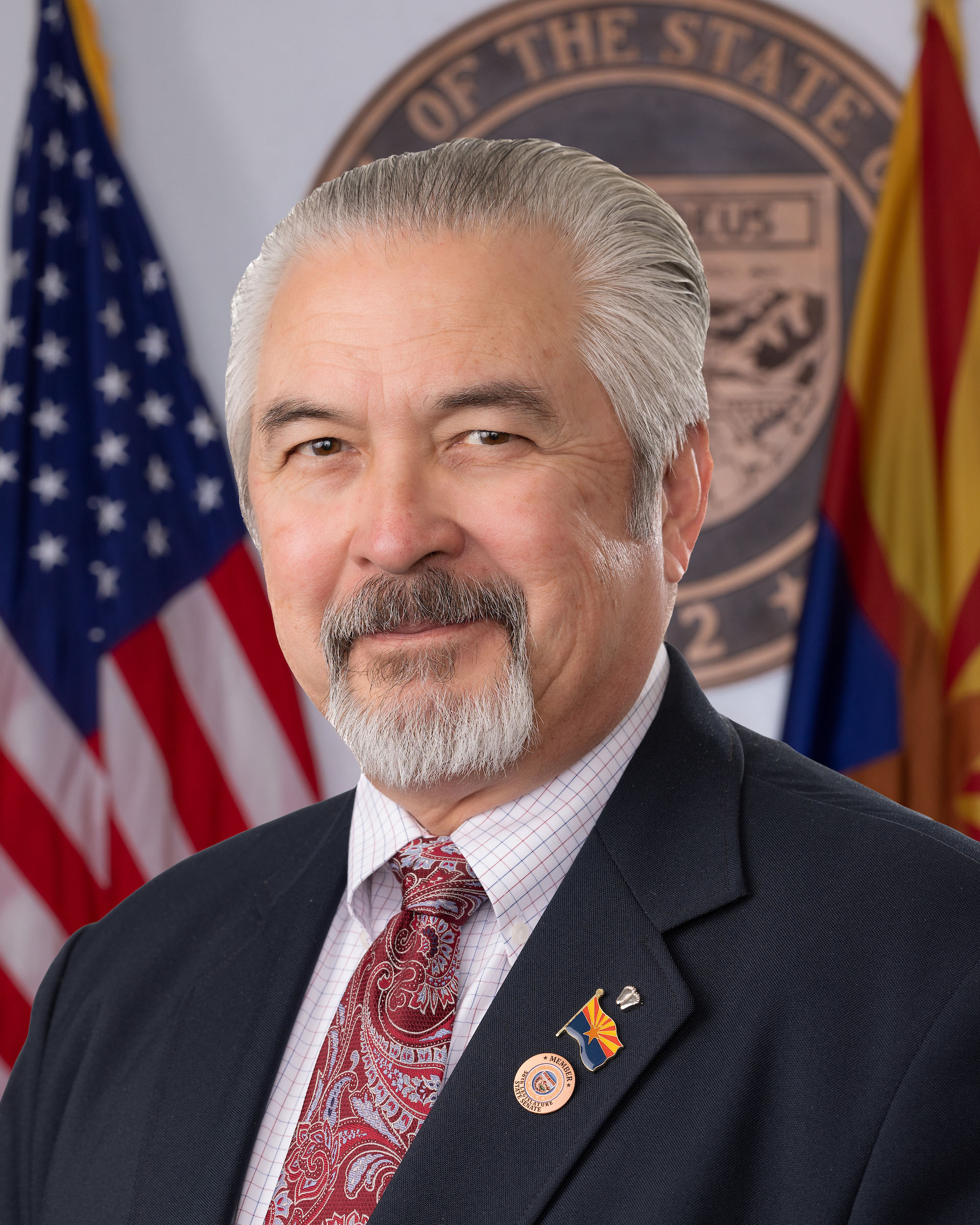
SB 1444 creates a state-funded deportation task force led by sheriffs' associations to coordinate with U.S. Immigration and Customs Enforcement (ICE) on deporting individuals who entered the U.S. illegally and have: (1) a criminal conviction, (2) been alleged to have committed a crime, (3) been detained based on criminal suspicion, or (4) been detained related to a crime. It defines "law enforcement agency" to include municipal police departments and county sheriff's offices. The bill appropriates funds for the task force's establishment and operation in fiscal year 2026-2027, exempting the funding from standard budget lapse rules. This policy directly affects non-citizens with criminal connections who interact with Arizona law enforcement.
HB 2657 prohibits Arizona local law enforcement agencies (including police departments, sheriff's offices, and the state police) from entering into agreements with federal immigration authorities to exercise federal civil immigration enforcement powers or detain individuals for immigration violations. The bill specifically bans agreements related to 8 U.S.C. §1357(g) authority and housing federal immigration detainees. It does not affect enforcement of court warrants or other federal legal obligations. This bill directly impacts how Arizona's local law enforcement interacts with federal immigration enforcement protocols.
HB 2881, the "Immigration Safe Zones Act," requires Arizona's Attorney General to create policies within 60 days that limit state agencies' cooperation with federal immigration enforcement. These policies must protect 8 specific public facilities - including public schools, community colleges, libraries, courts, and publicly funded healthcare centers - from being used for immigration enforcement and ensure they remain accessible to all residents regardless of immigration status. The bill also mandates that state agencies remove any questions about citizenship or immigration status from forms related to benefits, services, or education within 60 days. These policies must include constitutional safeguards like warrant requirements for searches and prevent unreasonable government actions targeting individuals based on immigration status.
SB 1520 requires Arizona state agencies to share any requested data with the U.S. government about undocumented immigrants or individuals who overstayed their visas. It directly affects state agencies responsible for collecting such data and individuals in these immigration categories. The law mandates that agencies provide this information upon federal request, overriding other state laws. The requirement expires on December 31, 2028, as specified in the bill's sunset provision.
This Arizona bill requires law enforcement to verify the immigration status of individuals arrested for non-immigration offenses when there is reasonable suspicion they are unlawfully present in the U.S. It mandates checking status via federal systems (per 8 U.S.C. § 1373(c)) before release and immediately notifying ICE if someone is arrested or convicted for a state/local offense while unlawfully present. Individuals presenting valid Arizona driver’s licenses, tribal IDs, or other official government IDs are presumed lawful. The law prohibits race-based profiling and permits sharing immigration status information with federal agencies for specific purposes like public benefits verification.
SB 1031 repeals several Arizona statutes related to immigration enforcement and law enforcement procedures. It removes provisions including Title 11, Chapter 7, Article 8 (which governed immigration-related law enforcement), Section 13-1509, and specific sections of smuggling and border security laws (like Sections 13-2319 and 13-2928). The bill directly affects law enforcement agencies that previously used these statutes to address immigration-related offenses. This is a procedural repeal with no new provisions or funding mechanisms, solely eliminating existing legal frameworks.