Issue · Housing

Housing

Every housing bill, vote, and legislator stance in Arizona, automatically classified by Maddy, our AI policy reader.

Total bills
105
57th Legislature - Second Regular Session
Top supporter
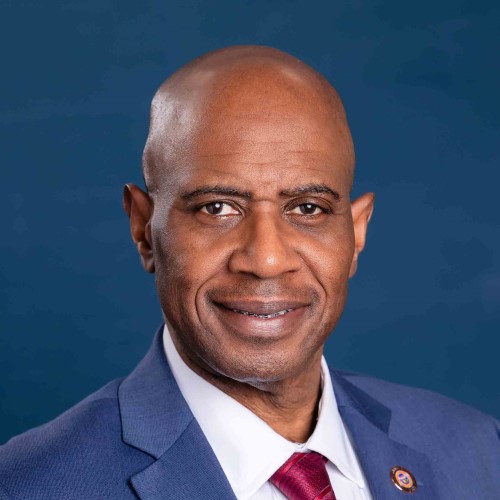
Oscar De Los Santos
73% support rate
Top opponent
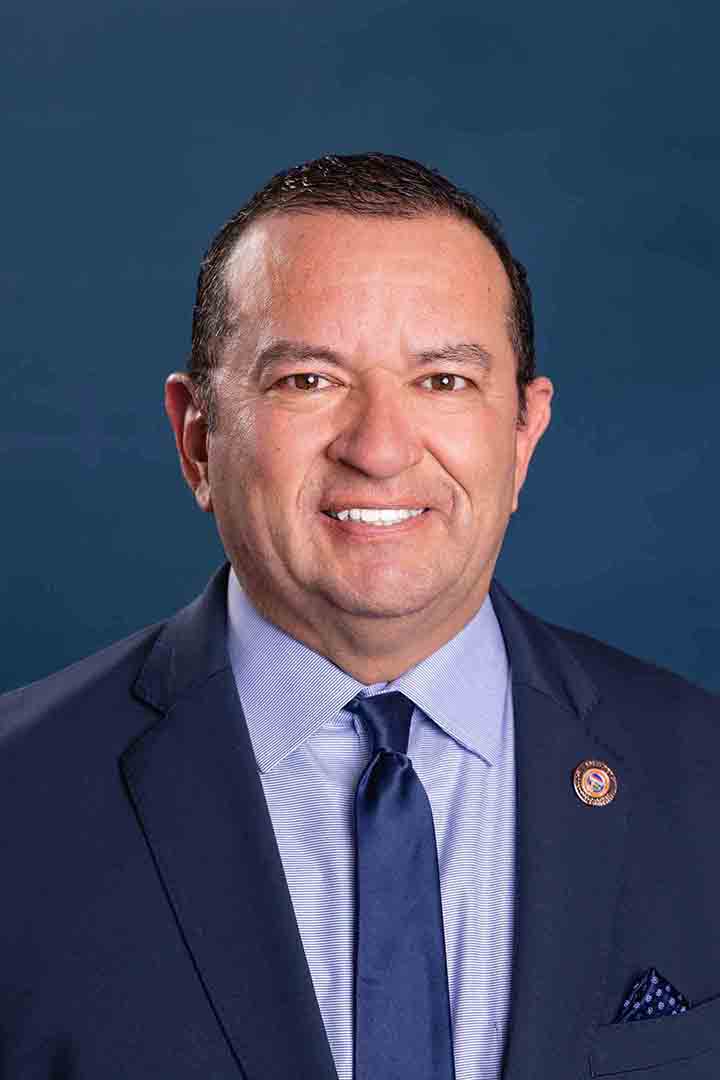
Laurin Hendrix
29% support rate
Ranked legislators
10
5 support · 5 oppose
Key legislators

Who's moving housing in Arizona

Legislators moving housing in Arizona
Legislator Party Stance Support rate Votes
Oscar De Los Santos
Oscar De Los Santos House · District 11
D
Support
73% 112
Flavio Bravo
Flavio Bravo Senate · District 26
D
Support
71% 106
Walt Blackman
Walt Blackman House · District 7
R
Support
70% 183
Chris Lopez
Chris Lopez House · District 16
R
Support
68% 197
Selina Bliss
Selina Bliss House · District 1
R
Support
68% 197
Laurin Hendrix
Laurin Hendrix House · District 14
R
Oppose
29% 129
Anna Abeytia
Anna Abeytia House · District 24
D
Oppose
35% 159
Mariana Sandoval
Mariana Sandoval House · District 23
D
Mixed −
41% 195
Stacey Travers
Stacey Travers House · District 12
D
Mixed −
42% 171
Beverly Pingerelli
Beverly Pingerelli House · District 28
R
Mixed −
43% 190
Showing 61–70 of 105 bills

All housing bills

introduced · Arizona · House Feb 3, 2026

HB 2963: landlord tenant; settlement conferences

HB 2963 requires mandatory settlement conferences for certain Arizona eviction cases within five days of an eviction notice being served on the tenant. Landlords and tenants must attend, submit relevant documents (lease, rent notices, receipts), and the court will dismiss cases if landlords don't appear or enter default judgments if tenants don't attend. The bill updates Arizona Revised Statutes §12-1175 and §33-1368 to specify these procedures, including different notice periods for lease breaches (10 days for most issues, 5 days for health/safety concerns) and clarifying that certain tenant falsifications (like false occupancy or criminal records) are non-curable. This directly affects landlords and tenants in eviction proceedings by adding a required conference step before hearings.
introduced · Arizona · Senate Feb 9, 2026

SB 1565: registrar of contractors; recovery fund

SB 1565 establishes a residential contractors' recovery fund in Arizona, administered by the state registrar, to compensate individuals and entities damaged by licensed residential contractors who violated state licensing rules. The fund covers eligible claimants including homeowners who occupy their primary residence, certain trusts or LLCs where members live there, planned communities for common-area damage, and tenants who contracted directly with the contractor. Compensation is limited to actual repair costs or refunded deposits (up to $40,000 per claim), excluding commercial properties, attorney fees, and amounts recovered elsewhere. To qualify, the contractor must have been properly licensed at the time of contract signing, payment, or work commencement.
introduced · Arizona · House Jan 26, 2026

HB 2852: mobile homes; utilities; fraud; hearings

HB 2852 regulates utility billing in Arizona mobile home parks. It requires landlords to provide separate meters for gas, water, and electricity with clear billing showing meter readings, and prohibits charging more than standard single-family residential rates for utilities or waste removal. Tenants can file written complaints if landlords violate these rules, and if they win a court case or administrative hearing, they may recover attorney fees and receive penalties up to $500 per violation. The law directly affects mobile home park landlords and tenants by standardizing billing practices and strengthening enforcement mechanisms under Arizona's mobile home park tenant protections.
introduced · Arizona · House Jan 26, 2026

HB 2705: single-family residence purchases; limitations

HB 2705 restricts corporations and limited liability companies (LLCs) from purchasing single-family homes in Arizona without meeting new transparency requirements. It requires these entities to register with the Corporation Commission, include specific language on deeds stating the home is not a primary residence, and submit registration documents to county recorders for deed recording. County recorders must report monthly to the Corporation Commission on all such purchases, with an exception for entities owning fewer than 10 homes statewide. The law also imposes a 5% ownership limit per neighborhood area for corporate buyers, aiming to limit large-scale corporate ownership of residential properties.
passed · Arizona · House Jun 12, 2026

HB 2804: rural affordable housing; tax credits

Arizona's HB 2804 creates a new tax credit to support rural affordable housing development. It allows taxpayers (primarily developers or investors in qualifying projects) to claim a credit against their state insurance premium tax for projects in counties with under 800,000 residents that also qualify for federal low-income housing tax credits. The credit amount matches the state's allocation for each project, capped at $2 million annually through 2036, and requires an eligibility statement from the Arizona Department of Housing. Taxpayers can offset the credit against premium tax liability, carry forward unused portions for up to five years, and the program includes annual reporting requirements for the department.
introduced · Arizona · House Jan 20, 2026

HB 2217: antidiscrimination; employment; housing; public accommodations

HB 2217 expands Arizona's anti-discrimination law to explicitly protect against bias in employment, housing, and public accommodations based on gender identity, sexual orientation, race, religion, disability, and other protected classes. It prohibits businesses from denying services or facilities in public spaces (like restaurants, hotels, or retail stores) based on these characteristics and requires new or fully renovated public restrooms to be designated gender-neutral. The bill updates definitions to clarify terms like "gender identity and gender expression" and specifies that reasonable accommodations aren't required for certain disability-related scenarios. This law applies directly to all businesses operating in public accommodations across Arizona.
introduced · Arizona · Senate Feb 4, 2026

SB 1596: appropriation; homeless shelter services fund

SB 1596 creates the "Homeless Shelter and Services Fund" to provide dedicated state funding for homelessness programs. It appropriates $50 million from the state general fund for fiscal year 2026-2027, which the Department of Economic Security will use to award grants to counties, cities, towns, tribes, and nonprofits. These grants will support programs offering shelter and services to unsheltered people experiencing homelessness. The fund's money is exempt from standard appropriation lapse rules, ensuring the funds remain available for their intended purpose.
introduced · Arizona · House Jan 27, 2026

HB 2543: land division; application; attestation

HB 2543 amends Arizona's building permit and land division laws to clarify county authority and protect applicant choices. It prohibits counties from denying building permits based on the chosen utility provider (water, gas, or electric) and ensures permit fees don’t unfairly restrict utility options. For single-family homes in subdivisions, the bill requires applicants to identify property ownership interests and, if owning six or more properties, submit a public report - unless exempt under specific conditions like active water management areas. These changes directly affect homebuilders, subdivisions, and county permitting offices by standardizing processes and limiting county overreach.
Sub-Topics Building Codes
signed · Arizona · House Jun 4, 2026

HB 2120: property tax exemption; disability; determination

HB 2120 amends Arizona's property tax law to expand exemptions for specific groups: widows/widowers, people with total permanent disabilities, and veterans with disabilities. It provides full tax exemption for veterans with 100% service-connected disability (and surviving spouses using the home as primary residence), and a partial exemption of $4,188 for others based on their disability rating percentage. To qualify, applicants must meet income limits ($34,901-$41,870 depending on children) and file annual affidavits with county assessors. The exemption amounts and income thresholds will adjust annually based on GDP and housing index changes. This directly affects eligible Arizona residents seeking relief on their primary residence property taxes.
introduced · Arizona · House Jan 21, 2026

HB 2490: rental price fixing; algorithmic pricing

HB 2490 prohibits landlords and "coordinators" (those selling algorithmic tools) from using algorithmic devices that process nonpublic competitor data to coordinate rental prices or terms for residential properties. It directly affects landlords managing five or more rental units (or coordinators serving them), banning tools that analyze competitors' historical prices, occupancy rates, or lease terms to set rents. The bill creates a legal presumption of price-fixing if such algorithms are used, though violators can rebut this with evidence they lacked knowledge of the data's origin. Enforcement falls to the Attorney General under existing consumer protection laws, with exemptions for government housing, small landlords (under five units), dormitories, and transient lodging like hotels.
Showing 61 to 70 of 105 bills
Previous 1 6 7 8 11 Next