Issue · Healthcare

Healthcare

Every healthcare bill, vote, and legislator stance in Arizona, automatically classified by Maddy, our AI policy reader.

Total bills
272
57th Legislature - Second Regular Session
Top supporter
Kevin Payne
81% support rate
Top opponent
Michael Way
24% support rate
Ranked legislators
10
5 support · 5 oppose
Key legislators

Who's moving healthcare in Arizona

Legislators moving healthcare in Arizona
Legislator Party Stance Support rate Votes
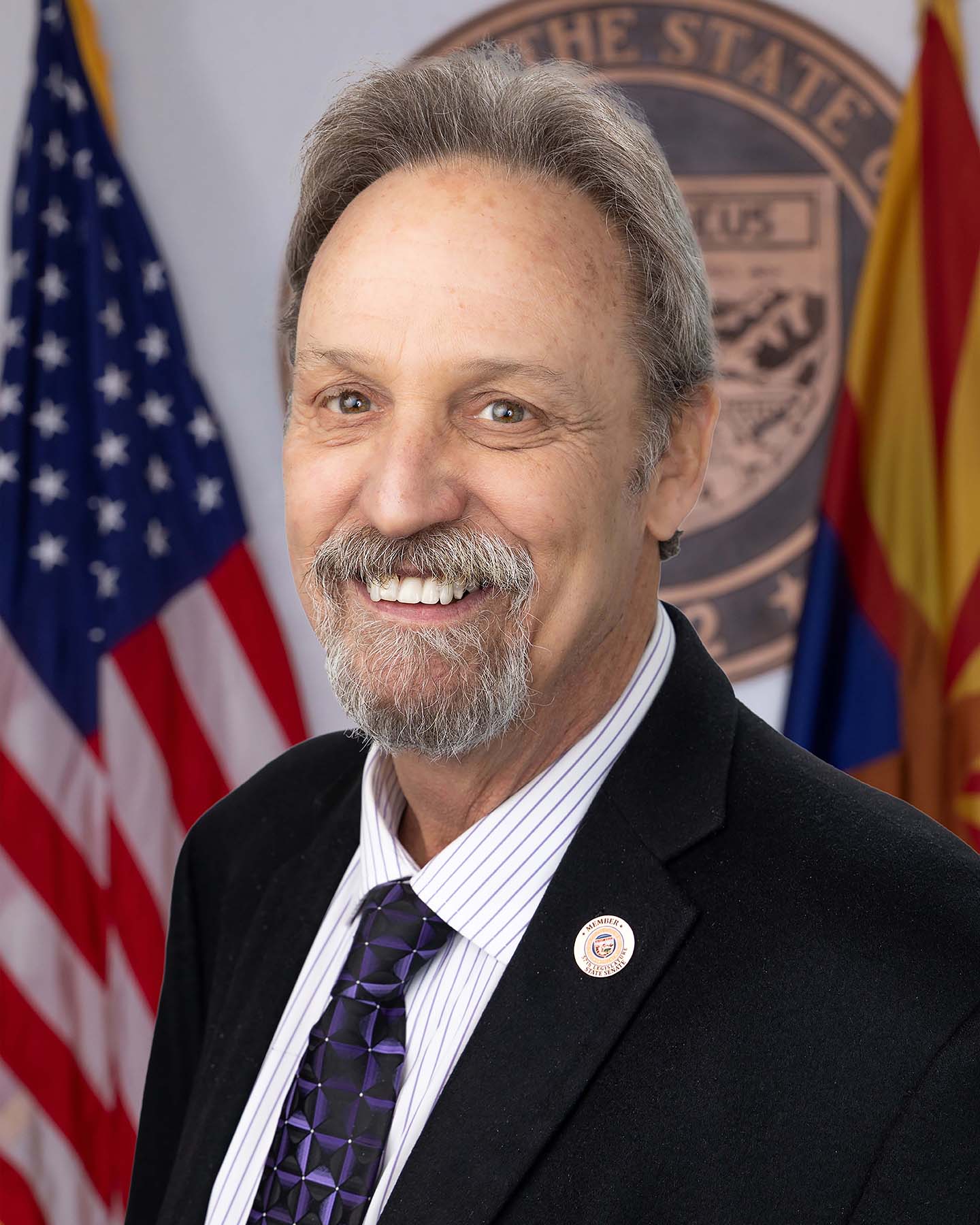
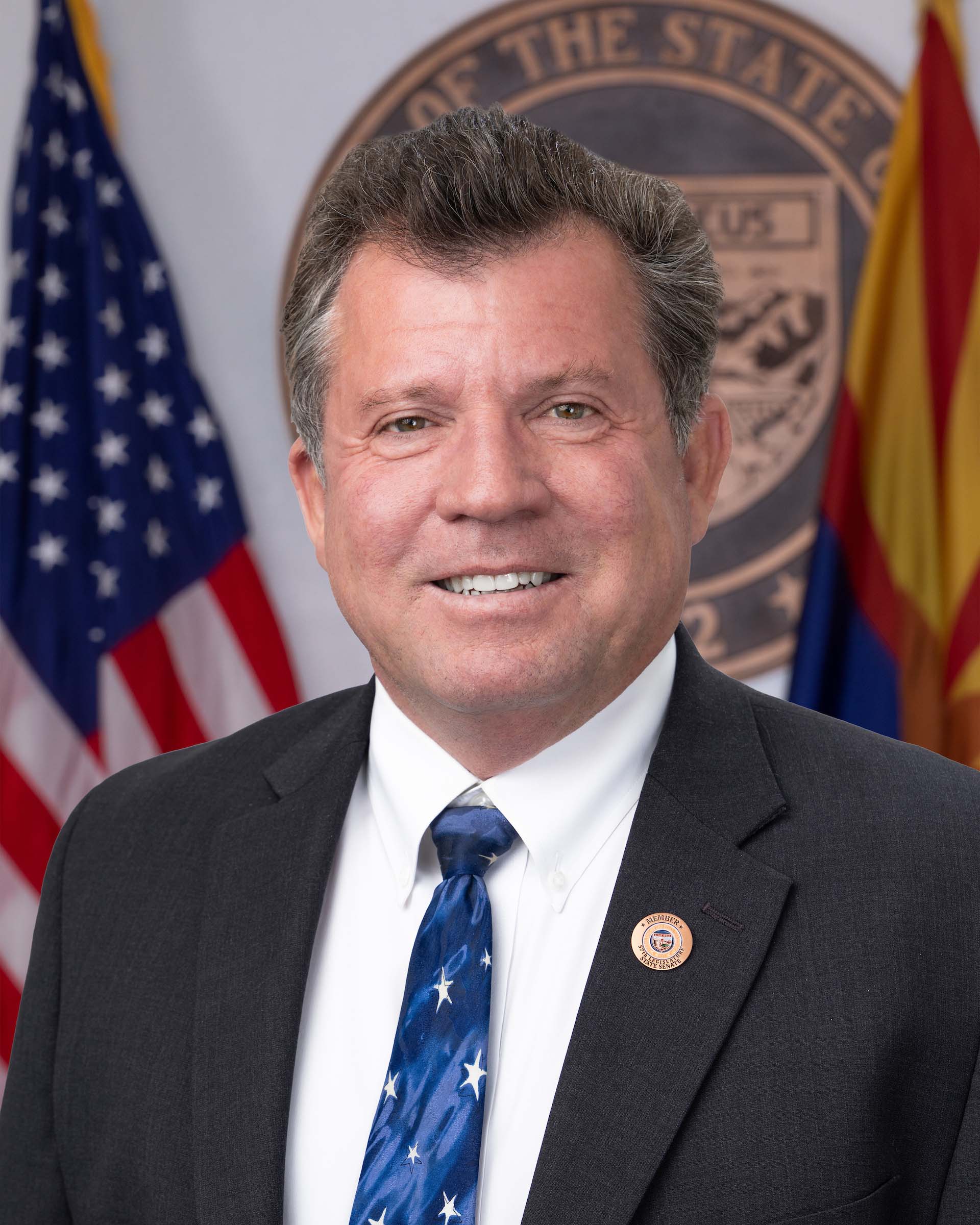
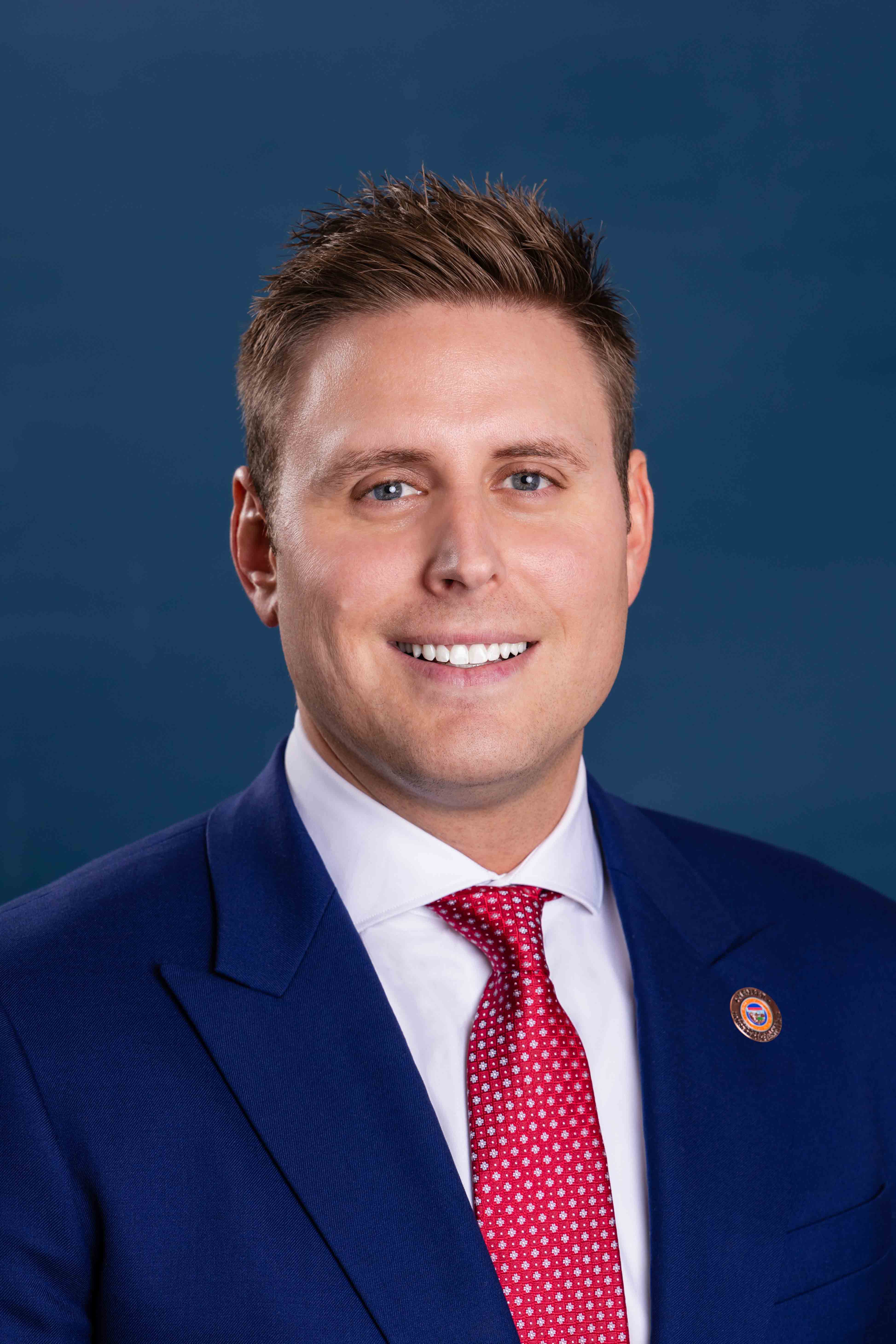
Kevin Payne
Kevin Payne Senate · District 27
R
Strong +
81% 164
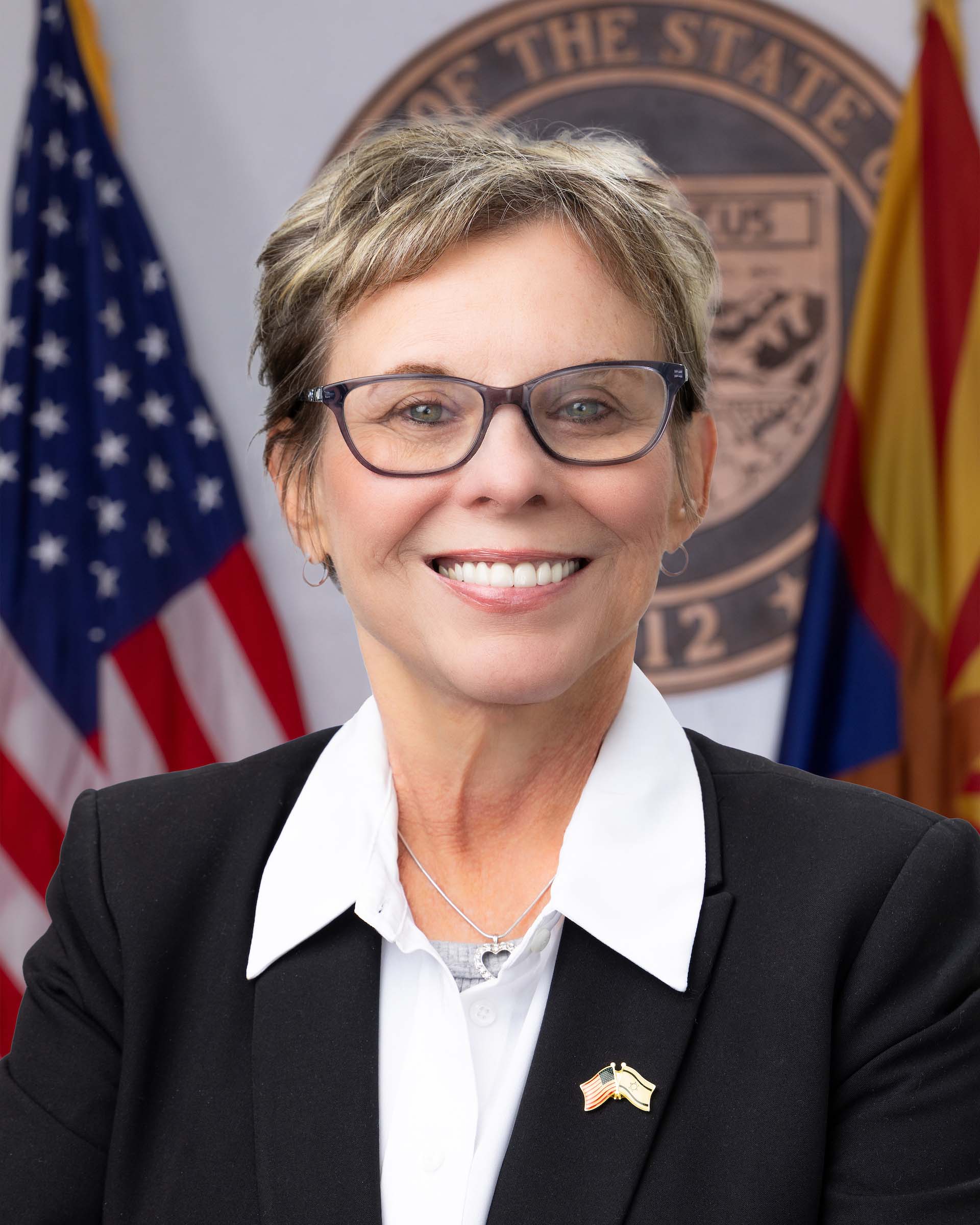
Hildy Angius
Hildy Angius Senate · District 30
R
Support
79% 178
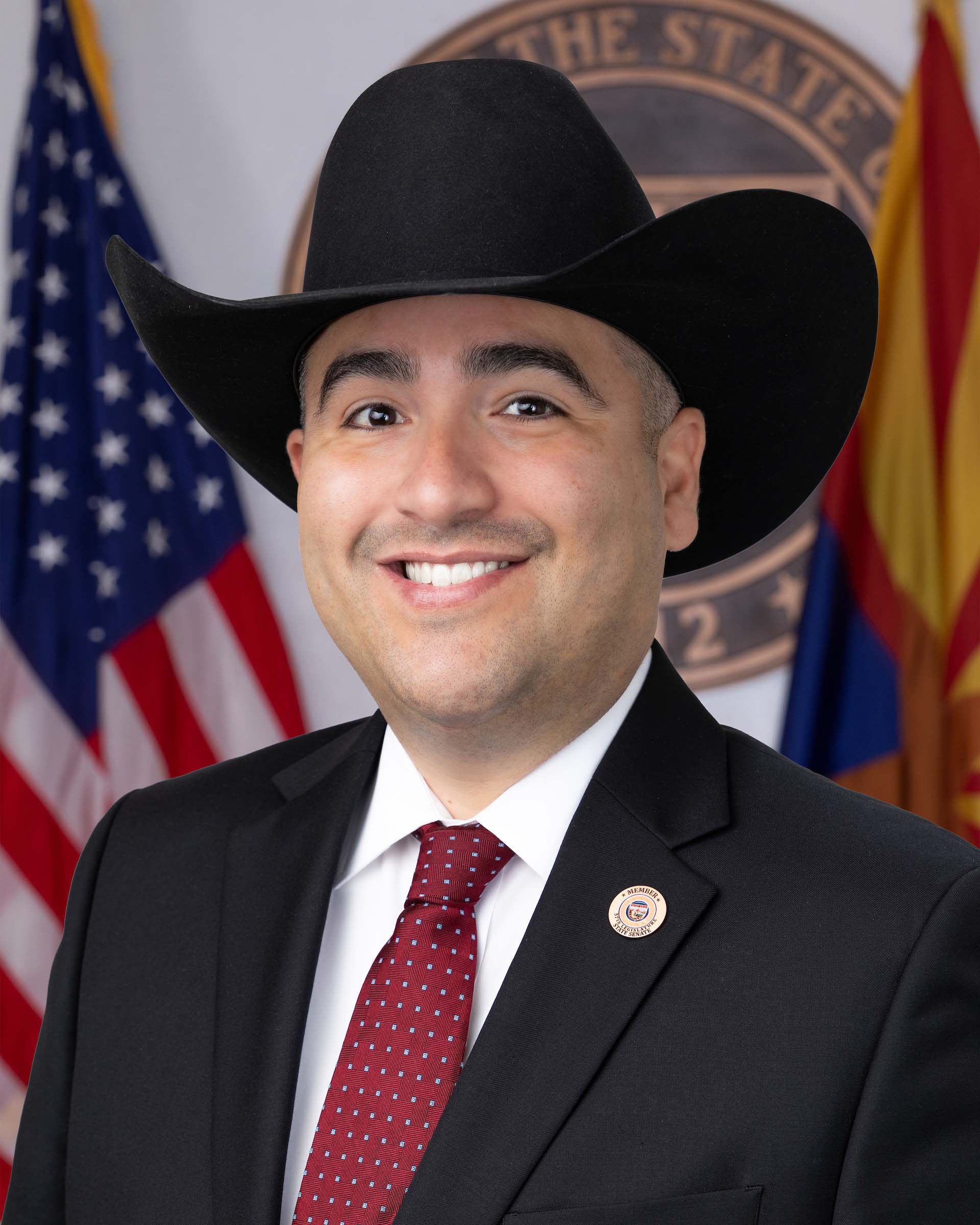
T.J. Shope
T.J. Shope Senate · District 16
R
Support
79% 179
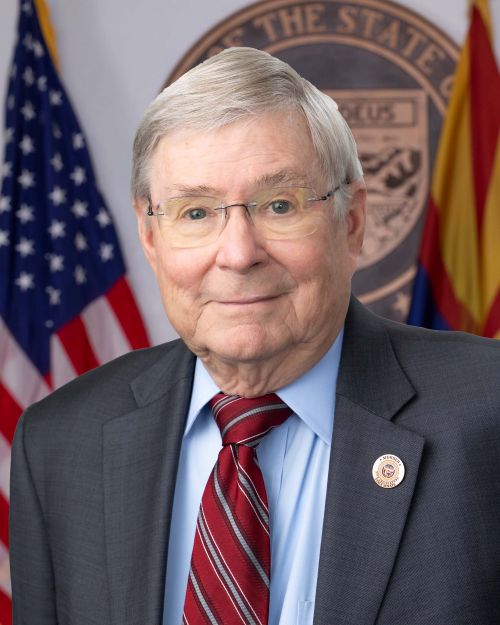
Vince Leach
Vince Leach Senate · District 17
R
Support
79% 179
Tim Dunn
Tim Dunn Senate · District 25
R
Support
79% 179
Michael Way
Michael Way House · District 15
R
Oppose
24% 223
Justin Olson
Justin Olson House · District 10
R
Oppose
27% 241
Khyl Powell
Khyl Powell House · District 14
R
Oppose
27% 241
Rachel Keshel
Rachel Keshel House · District 17
R
Oppose
28% 235
Alex Kolodin
Alex Kolodin House · District 3
R
Oppose
30% 238
Showing 201–210 of 272 bills

All healthcare bills

introduced · Arizona · Senate Jan 27, 2026

SB 1322: price regulation; abnormal market disruptions

SB 1322 prohibits businesses from raising prices on essential goods and services by 15% or more during market disruptions caused by emergencies like natural disasters, power shortages, or declared states of emergency. It directly affects retailers, distributors, and manufacturers selling items such as food, water, diapers, prescription drugs, utilities, and gasoline, with a rebuttable presumption that prices exceeding the 15% threshold are unfair unless sellers prove costs rose by at least 10%. Enforcement is handled by the Arizona Attorney General, with violations carrying misdemeanor penalties and allowing affected buyers to seek up to $25,000 in damages per violation.
in committee · Arizona · House Feb 2, 2026

HB 2194: claims; prior authorization; denials; contact

HB 2194 requires Arizona health care insurers to provide two specific details when denying claims or prior authorizations: (1) a contact phone number or email for detailed explanations, and (2) a written response to questions within two business days of receiving them. The bill directly affects insurers and patients whose claims or authorizations are denied, aiming to improve transparency in the denial process. Key provisions mandate these contact points and response timelines for both claim denials (Section 20-3104) and prior authorization denials (Section 20-3105). The law will take effect on June 30, 2027.
introduced · Arizona · House Feb 16, 2026

HB 2250: prior authorizations; habilitative services

HB 2250 requires health insurers in Arizona to honor prior authorizations for covered services granted by a previous insurer for at least 90 days when an enrollee switches health plans. This directly affects patients transitioning between insurance plans and their healthcare providers, ensuring continuity of approved treatments like habilitative services (e.g., physical therapy or mental health care) without immediate denial. The key mechanism mandates that insurers must accept prior authorizations from the previous insurer if the service is covered under the new plan and documentation is provided. This policy change prevents sudden coverage interruptions during plan changes, focusing on practical implementation rather than new benefits.
introduced · Arizona · House Jan 21, 2026

HB 2542: AHCCCS; preventive dental care

HB 2542 adds "preventive dental care" to the list of covered services under Arizona's AHCCCS (Medicaid) program for enrollees aged 21 and older. The bill explicitly includes routine preventive dental services alongside existing emergency dental care and extractions, which remain capped at $1,000 annually per member. This change directly affects AHCCCS recipients aged 21+ by expanding their covered dental benefits to include preventive care like cleanings and check-ups. The bill does not alter existing coverage limits for other services or create new funding requirements.
Sub-Topics Medicaid Primary Care
failed · Arizona · House Feb 19, 2026

HB 2725: AHCCCS; prescription drug coverage

HB 2725 prevents AHCCCS (Arizona's Medicaid program) from requiring patients to switch from non-opioid pain medications to opioids when a doctor prescribes a non-opioid for chronic or acute pain. It also prohibits stricter coverage rules - like more difficult prior authorization or step therapy - for non-opioid pain drugs compared to opioid alternatives. The bill directly affects AHCCCS members prescribed pain medication and their healthcare providers. Key provisions mandate equal treatment in coverage policies for clinically appropriate non-opioid and opioid pain drugs. This bill is pending in the Arizona legislature after its first reading in January 2026.
passed · Arizona · House Mar 16, 2026

HB 2697: expired opioid antagonists; use

HB 2697 allows pharmacists, health departments, and healthcare providers to dispense or distribute expired FDA-approved naloxone (an opioid overdose reversal medication) to individuals at risk of overdose, their families, or community organizations that assist them. The bill defines "expired opioid antagonist" as medication with an expiration date within five years of use, expanding access to this critical tool. It provides immunity from liability for professionals acting in good faith while following protocols, including instructing users to call emergency services after administration. This policy directly affects people at risk of opioid overdose, pharmacists, healthcare providers, and community health programs distributing naloxone.
Sub-Topics Substance Abuse
signed · Arizona · Senate Jun 19, 2026

SB 1253: safe haven providers; hospital deliveries

SB 1253 establishes clear protocols for safely surrendering newborn infants in Arizona. It requires safe haven providers (like hospitals, churches, or fire stations) to immediately transport infants to a hospital for a physical exam and notify child safety authorities. Agencies must take custody within 24 hours after the exam, or the state department takes custody after 48 hours if no agency agrees. The bill also ensures hospitals are reimbursed for medical care and protects healthcare providers making emergency medical decisions. This directly affects parents surrendering infants, hospitals, child welfare agencies, and the state child safety department.
Sub-Topics Hospitals
introduced · Arizona · House Jan 21, 2026

HB 2687: medical board; case reviews

HB 2687 allows Arizona's Medical Board to review cases where patients experienced life-threatening complications or death during treatment by licensed health professionals, at public request. The board must vote to approve each review, then examine medical records and public submissions to determine if unprofessional conduct or incompetent care caused harm. If misconduct is found, the Medical Board notifies the health professional's licensing board and may recommend regulatory action. The bill does not apply to unlicensed providers or replace standard license investigations, and reviews are strictly for case analysis, not disciplinary proceedings.
introduced · Arizona · Senate Jan 27, 2026

SB 1377: working conditions; heat illness; prevention.

SB 1377 requires employers in high-risk industries - including agriculture, construction, landscaping, oil/gas extraction, and delivery work - to implement heat illness prevention measures. It mandates employers provide drinkable water with ice (1 cup every 15-20 minutes at 80°F+, more at 95°F+), access to shade or climate-controlled areas within 400 feet, and paid rest periods (15-45 minutes per hour) when temperatures reach 80°F or higher. Employers must also establish high-heat monitoring (e.g., supervisor checks, buddy systems), emergency response protocols, and require preshift meetings for agricultural workers. The law directly affects workers and employers in the specified industries across Arizona.
Sub-Topics Labor Standards
introduced · Arizona · House Jan 20, 2026

HB 2187: insurance coverage; hearing aids; children

HB 2187 requires Arizona health plans to provide full coverage for hearing aids and related services (including fitting, ear molds, and licensed provider services) for children under 18, or under 21 if still in high school. This applies to all standard health insurance plans issued after December 31, 2026, but excludes short-term travel, accident-only, or limited benefit plans. Deductibles and coinsurance may still apply, consistent with other covered benefits. The bill directly affects children with hearing needs enrolled in Arizona health plans, ensuring access to essential hearing devices without additional out-of-pocket costs for the core coverage.
Showing 201 to 210 of 272 bills
Previous 1 20 21 22 28 Next