Issue · Healthcare

Healthcare

Every healthcare bill, vote, and legislator stance in Arizona, automatically classified by Maddy, our AI policy reader.

Total bills
272
57th Legislature - Second Regular Session
Top supporter
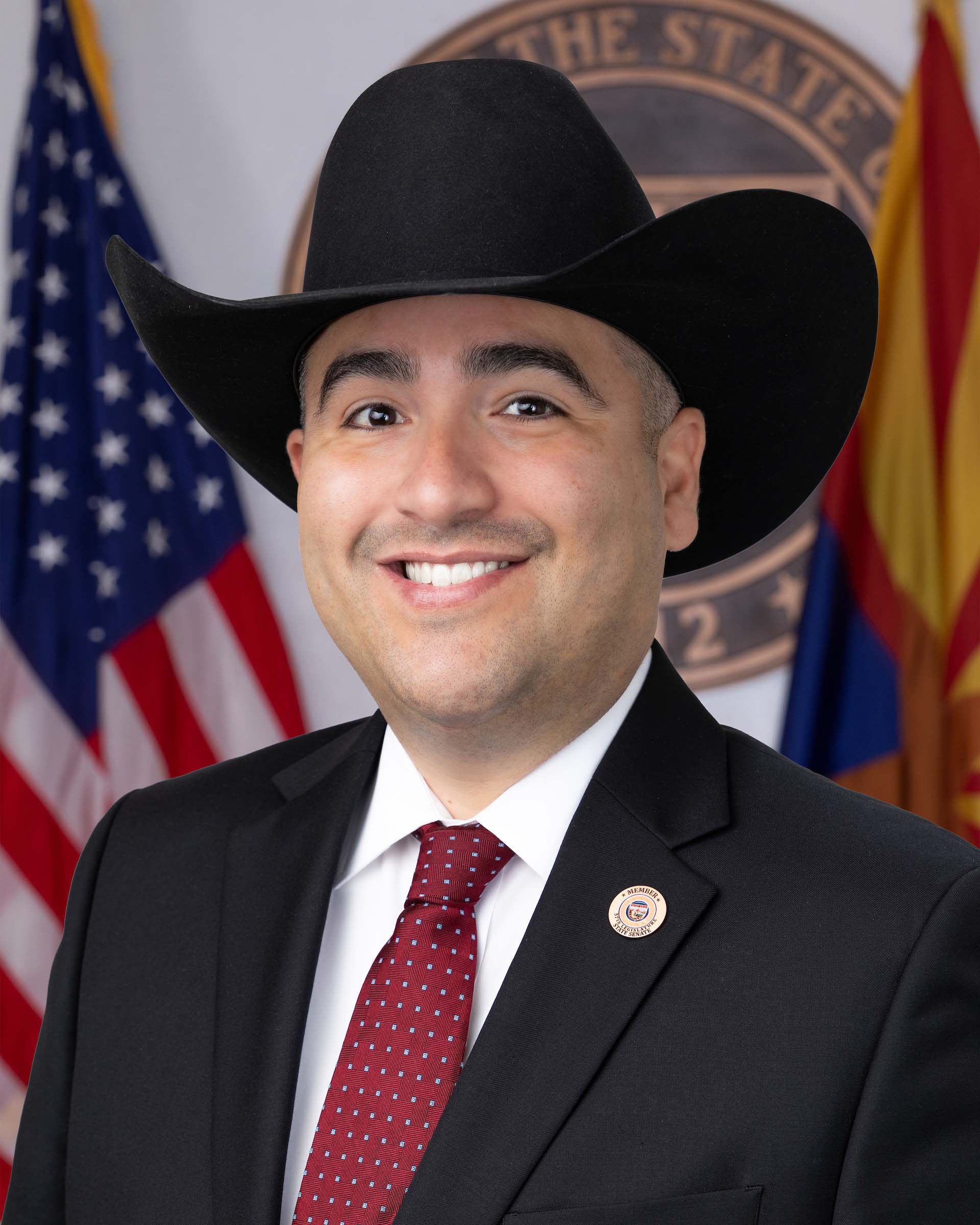
Kevin Payne
81% support rate
Top opponent
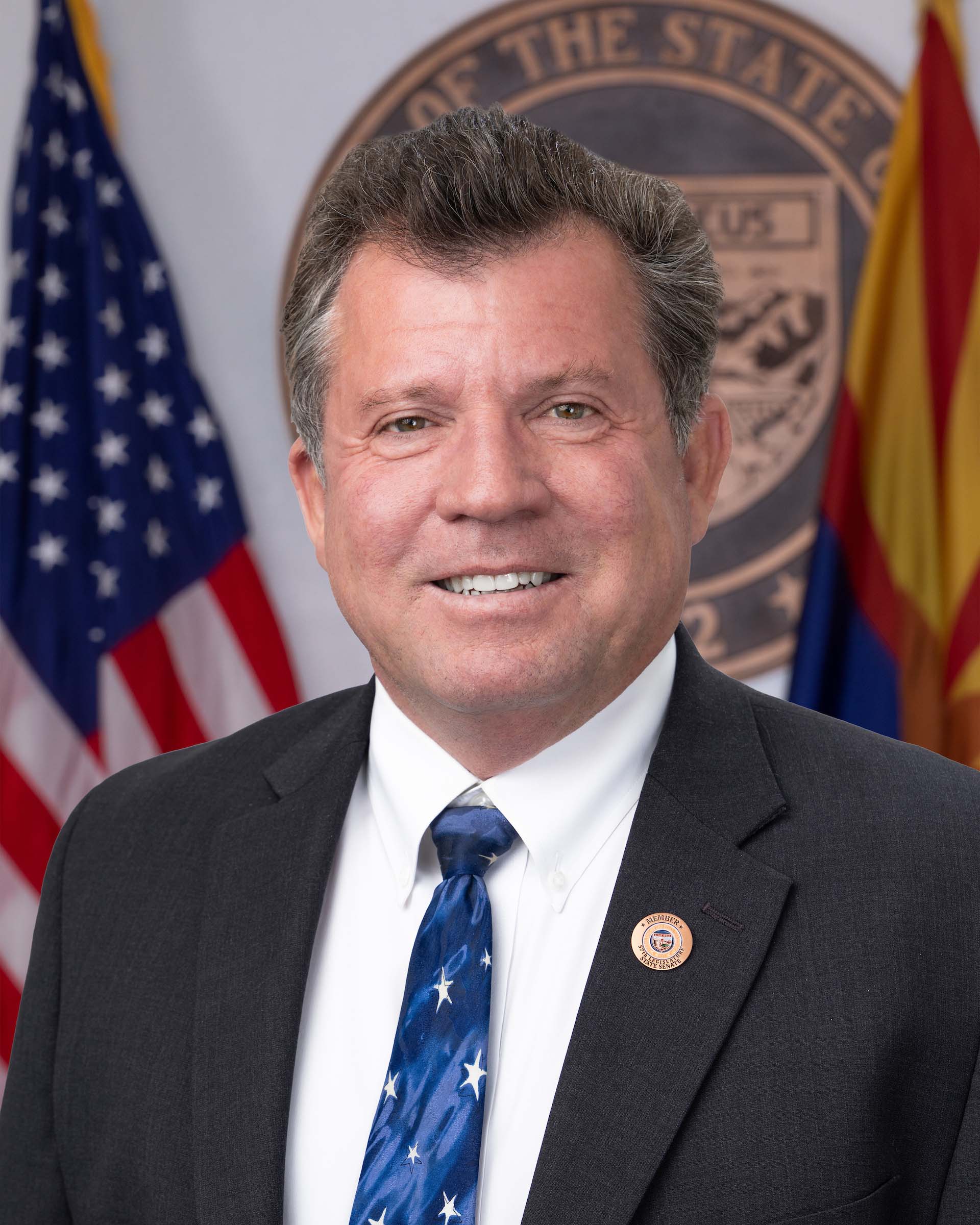
Michael Way
24% support rate
Ranked legislators
10
5 support · 5 oppose
Key legislators

Who's moving healthcare in Arizona

Legislators moving healthcare in Arizona
Legislator Party Stance Support rate Votes
Kevin Payne
Kevin Payne Senate · District 27
R
Strong +
81% 164
Hildy Angius
Hildy Angius Senate · District 30
R
Support
79% 178
T.J. Shope
T.J. Shope Senate · District 16
R
Support
79% 179
Vince Leach
Vince Leach Senate · District 17
R
Support
79% 179
Tim Dunn
Tim Dunn Senate · District 25
R
Support
79% 179
Michael Way
Michael Way House · District 15
R
Oppose
24% 223
Justin Olson
Justin Olson House · District 10
R
Oppose
27% 241
Khyl Powell
Khyl Powell House · District 14
R
Oppose
27% 241
Rachel Keshel
Rachel Keshel House · District 17
R
Oppose
28% 235
Alex Kolodin
Alex Kolodin House · District 3
R
Oppose
30% 238
Showing 191–200 of 272 bills

All healthcare bills

failed · Arizona · House Mar 10, 2026

HB 2726: AHCCCS; mild obstructive sleep apnea

HB 2726 adds coverage for the diagnosis and treatment of mild obstructive sleep apnea under Arizona's Medicaid program (AHCCCS). This specifically includes patient screening and the use of FDA-approved prescription devices delivered through the durable medical equipment benefit. The bill directly affects AHCCCS enrollees with mild sleep apnea, ensuring this treatment is covered as a medically necessary service. It does not change eligibility or funding but explicitly lists this condition as a covered service under the program's health care benefits.
Sub-Topics Medicaid
passed · Arizona · Senate Mar 24, 2026

SB 1557: informed consent; medical interventions

SB 1557 requires health professionals in Arizona to obtain a patient's signed informed consent before performing most medical interventions, such as procedures, treatments, or medications. This applies to any action taken to diagnose, prevent, or treat a disease or alter health, with an exception for emergency care. The bill defines "medical intervention" broadly to cover procedures, drugs, devices, and other medical actions. It does not specify particular patient groups but affects all non-emergency medical care settings where consent is required. The bill is currently in early legislative stages (Senate First and Second Readings).
introduced · Arizona · House Jan 21, 2026

HB 2569: terminally ill individuals; end-of-life decisions

HB 2569 allows terminally ill Arizona residents with capacity to obtain a prescription for medication to end their life under strict safeguards. It requires two witnesses (not related to the patient or entitled to their estate), counseling to confirm mental capacity and absence of depression, and detailed discussions about alternatives like hospice care. The bill mandates that physicians verify a terminal diagnosis (expected death within six months), ensure the patient's decision is voluntary, and document all steps before issuing a prescription. This law directly affects qualifying terminally ill adults in Arizona seeking end-of-life options, with no provision for physician administration of medication.
introduced · Arizona · House Jan 26, 2026

HB 2407: insurance; claims processing; downcoded claims

HB 2407 prohibits health insurers in Arizona from using automatic systems to unilaterally reduce claim payments ("downcode") without proper review. It requires insurers to notify healthcare providers with specific details (including clinical criteria used, original/revised codes, and the reviewer's credentials) when downcoding occurs, and establishes a clear 180-day appeal process for providers. Insurers must also avoid discriminatory downcoding against providers treating complex cases and face civil penalties of up to $100 per violation for noncompliance. This bill directly affects health insurers (including insurance companies, health care organizations, and third-party payers) and healthcare professionals who submit claims for services.
signed · Arizona · House Jun 19, 2026

HB 2265: courts; fees; assessments

HB 2265 prevents courts in Arizona from charging indigent defendants (low-income individuals) fees or requiring repayment for public defender services. It specifically bans administrative assessments of up to $25 and prohibits courts from ordering repayment for legal costs, including in juvenile or mental health proceedings. The bill also establishes new court filing fees for a "fair jury improvement fund" (excluding criminal trial filings), with fees collected to supplement, not replace, existing county funding for public defense. These changes directly affect individuals qualifying for court-appointed counsel under Arizona law.
introduced · Arizona · House Jan 21, 2026

HB 2528: fertility treatment; access

HB 2528 establishes new rights for Arizonans seeking fertility care, including the right to access treatments like IVF without unreasonable restrictions, continue ongoing treatments, and control their embryos, eggs, or sperm. It also affirms health care providers' rights to perform fertility treatments and insurers' rights to cover them. The law requires health authorities to create rules supporting these rights within one year. This bill directly affects individuals pursuing fertility care, clinics offering such services, and health insurance companies.
Sub-Topics Insurance
introduced · Arizona · House Jan 21, 2026

HB 2520: contraception; cost sharing prohibition

HB 2520 (incorrectly titled "contraception; cost sharing prohibition") actually amends Arizona health insurance contract rules to require coverage for specific preventive services without cost-sharing. The bill mandates that health insurance contracts must cover preventive mammography screening and diagnostic imaging for breast cancer (including digital breast tomosynthesis and MRI) as recommended by medical guidelines, without requiring patient cost-sharing. It also requires coverage for maternity benefits related to legally adopted children under specific conditions (adoption within one year, payment of birth costs, etc.). The bill does not address contraception or cost-sharing for contraceptive services, as its title suggests. This is a coverage requirement for existing health insurance plans, not a new benefit.
passed · Arizona · Senate Mar 25, 2026

SB 1112: mental health; hearings; acquaintance witnesses

SB 1112 amends Arizona law (Section 36-539) to change requirements for mental health hearings where a court may order treatment. It directly affects patients in mental health evaluation proceedings by requiring testimony from at least one non-professional witness who knew the patient personally before the evaluation application, limited to observed facts (not expert opinions). The bill specifies that such witnesses must have observed the patient during the alleged mental disorder period but were not formal participants in the evaluation. Courts may waive this witness requirement if clear and convincing evidence of the need for treatment is provided through other testimony or evidence.
Sub-Topics Mental Health
signed · Arizona · House Jun 19, 2026

HB 2226: processing arrestees; veteran status

HB 2226 requires courts to ask arrestees at their first court hearing if they are U.S. military veterans. If confirmed (via documents like a DD-214), prosecutors must inform veterans about veterans' services and refer them to veterans' courts or treatment programs - unless the person faces serious charges like violent crimes or crimes against children. The bill directly affects veterans arrested for non-serious offenses, creating a pathway to specialized support instead of standard criminal proceedings. It does not change existing criminal penalties but adds a procedural step for veterans' case processing.
signed · Arizona · Senate Jun 19, 2026

SB 1164: ALTCS; providers; change of ownership

SB 1164 modifies Arizona's long-term care system rules to streamline ownership transitions for facilities serving Medicaid beneficiaries. It allows new owners of skilled nursing or assisted living facilities (that continue providing ALTCS services) to have claims for member care processed and paid under the previous owner's contract until the new owner completes their enrollment and contracting process. This prevents payment delays during ownership changes, ensuring uninterrupted care for members. The provision applies only when the new owner requests continuation and the facility maintains service under the ALTCS program.
Showing 191 to 200 of 272 bills
Previous 1 19 20 21 28 Next